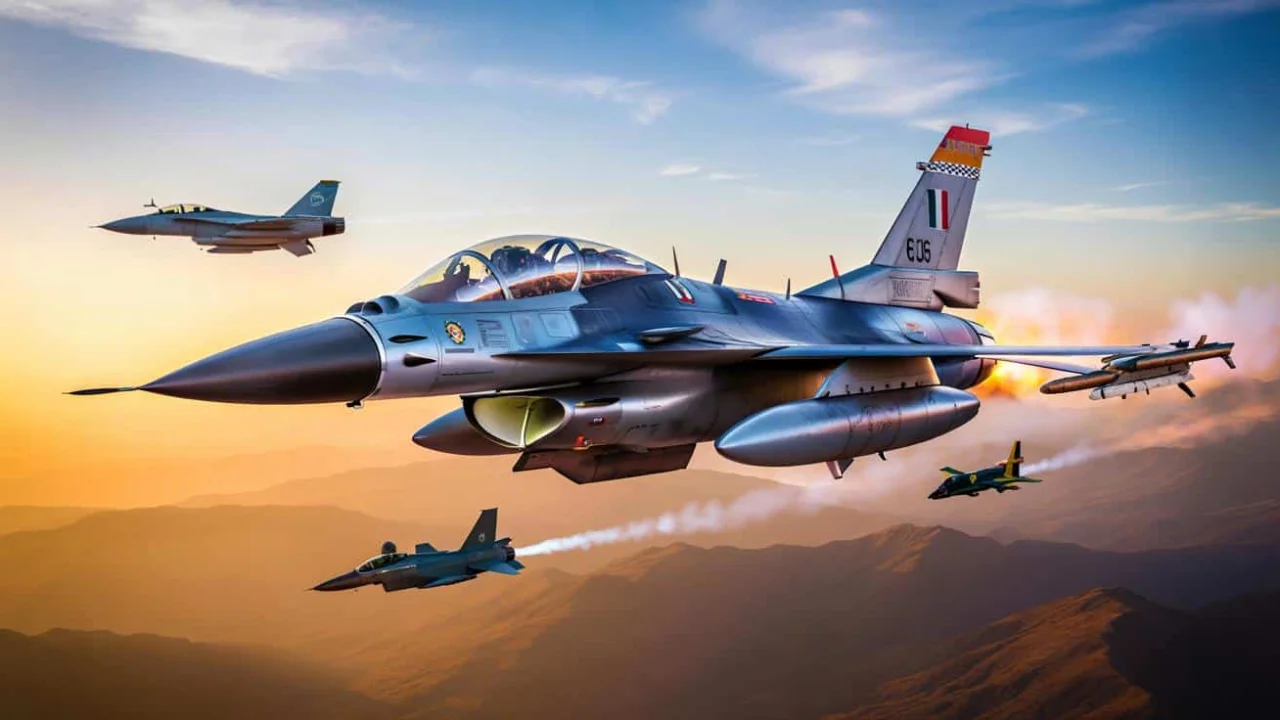
Carlos Mendoza remembers the roar of fighter jets during his childhood in Lima. Back then, Peru’s aging Mirage 2000s would streak across the sky, their engines echoing off the mountains surrounding the capital. Now 45 and working as an aviation technician, Carlos knows those same aircraft are struggling to stay airworthy after decades of service.

“My son asks me why our planes look so old compared to what he sees on YouTube,” Carlos says with a knowing smile. “Soon, I’ll have a very different answer for him.”
That answer is coming in the form of a massive defense deal that’s about to reshape Peru’s military capabilities and send shockwaves through the global fighter jet market.

Peru Makes Its Biggest Military Aviation Bet in Decades
Peru’s Ministry of Defense has quietly recommended purchasing 24 F-16 Block 70 fighter jets from Lockheed Martin, marking one of the largest military aviation contracts in the country’s history. The deal, valued at approximately €7 billion, represents a decisive turn toward American military technology after months of intense competition.
The recommendation has already received preliminary approval from key government figures, including President of the Council of Ministers Ernesto Álvarez Miranda, Economy Minister Denisse Miralles, and Defense Minister César Díaz Peche. While a formal announcement awaits the conclusion of Peru’s electoral process, defense sources suggest the decision is essentially locked in.
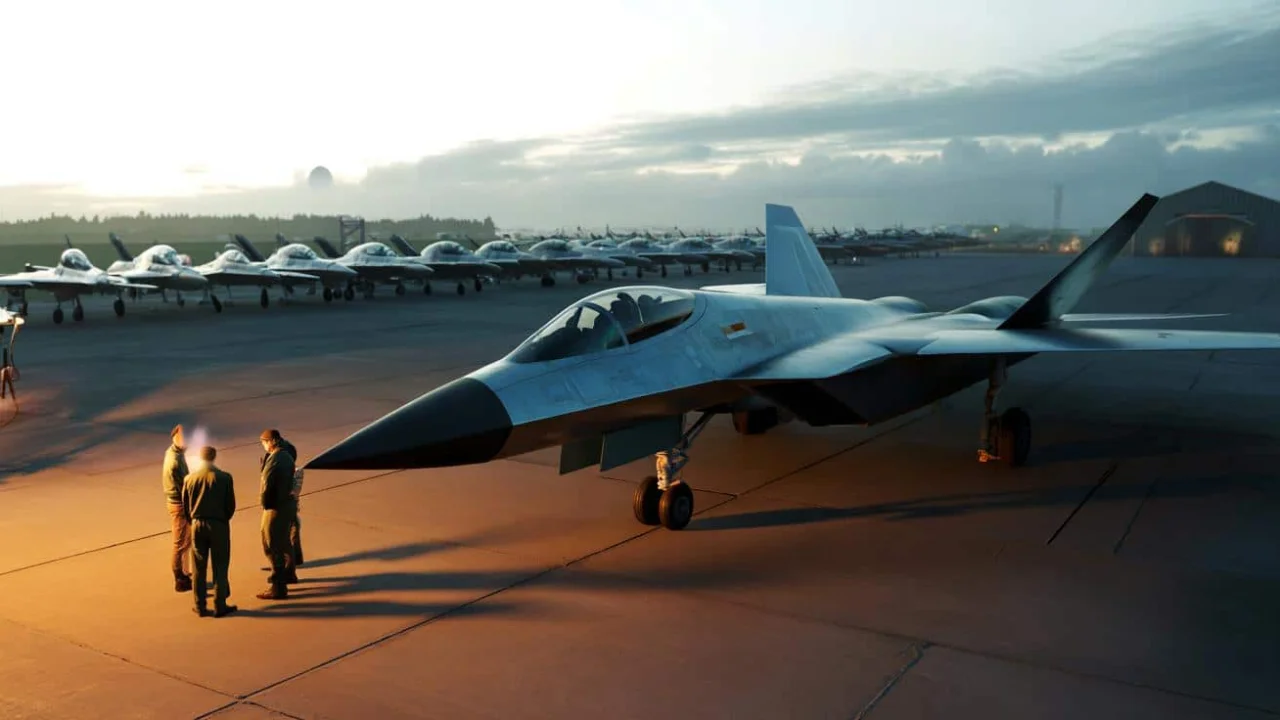
“This isn’t just about buying new planes,” explains Maria Santos, a defense analyst at Lima’s Institute for Strategic Studies. “Peru is making a strategic choice about which major power it wants as its primary military partner for the next three decades.”
The F-16 Block 70 represents the most advanced variant of the legendary Fighting Falcon, featuring cutting-edge radar systems, electronic warfare capabilities, and compatibility with modern precision-guided munitions. For Peru’s air force, it would mean leaping from 1980s technology straight into the 2020s.
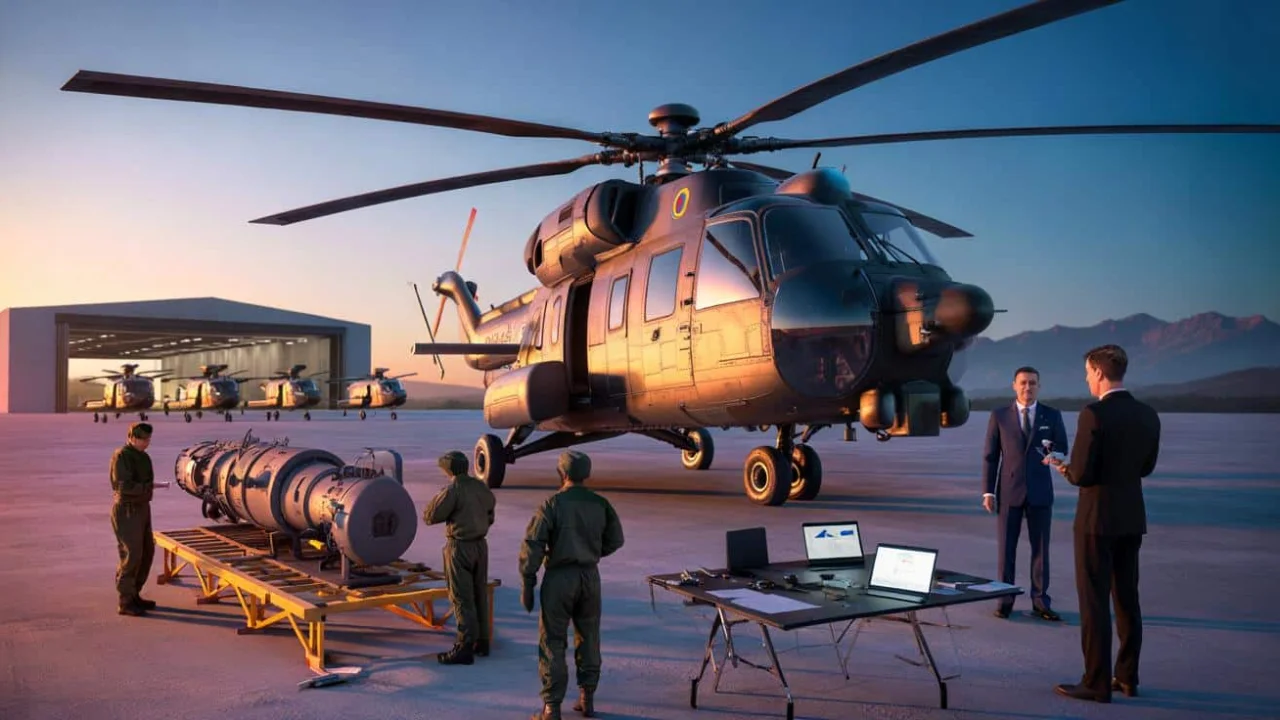
What Peru Gets for €7 Billion
The massive investment isn’t just about the aircraft themselves. Here’s what the package likely includes:
| Component | Details | Strategic Value |
|---|---|---|
| 24 F-16 Block 70 Aircraft | Latest variant with AESA radar | Regional air superiority |
| Training Program | Pilot and maintenance crew education | Long-term capability building |
| Support Equipment | Ground systems, spare parts, tools | Operational readiness |
| Weapons Systems | Air-to-air and air-to-ground missiles | Multi-role capabilities |
| Infrastructure Upgrades | Hangar modifications, secure facilities | Operational security |
The F-16 Block 70 brings several game-changing capabilities to Peru’s arsenal:
- Advanced AESA radar that can track multiple targets simultaneously
- Modern electronic warfare systems for surviving in contested airspace
- Compatibility with latest-generation missiles and precision munitions
- Enhanced fuel capacity for extended range operations
- Advanced pilot-vehicle interface reducing workload and improving situational awareness
“The Block 70 variant is essentially a brand-new airplane built around proven F-16 fundamentals,” notes retired Air Force Colonel Roberto Vega. “Peru would be getting technology that rivals anything flying in South America today.”
European Dreams Crash and Burn
The decision represents a crushing defeat for two European competitors who had invested heavily in courting Peru. France’s Dassault Rafale and Sweden’s Saab Gripen both mounted sophisticated campaigns to win the contract, offering attractive financing packages and technology transfer agreements.
The Rafale, fresh off successful sales to several countries including Egypt, India, and Greece, seemed particularly well-positioned. French officials had emphasized the aircraft’s proven combat record and advanced multirole capabilities. Meanwhile, Saab promoted the Gripen’s cost-effectiveness and its success with other Latin American air forces, including Brazil and Colombia.
“Both European options had their merits,” acknowledges defense procurement specialist Ana Gutierrez. “But in the end, Peru chose the devil it knows over the angels it doesn’t.”
The decision reflects several practical considerations beyond pure aircraft performance. The F-16’s widespread global adoption means extensive support networks, readily available spare parts, and a deep pool of trained technicians. Peru’s military leadership likely viewed this ecosystem as reducing long-term operational risks.
Political considerations may have also played a role. Choosing American fighter jets signals closer ties with Washington at a time when regional tensions are rising and Peru seeks stronger security partnerships.
Ripple Effects Across South America
Peru’s decision to acquire the F-16 Block 70 will likely trigger reactions throughout South America, where several countries are evaluating their own fighter replacement programs. Chile, Argentina, and Colombia all operate aging fighter fleets that will need replacement within the next decade..
For Peru’s immediate neighbors, the timing couldn’t be more significant. Ecuador continues to operate basic training aircraft in the fighter role, while Bolivia maintains only a handful of aging jets. Peru’s modernization will create a significant capability gap that neighboring countries will feel pressure to address.
“This purchase fundamentally changes the regional balance,” warns security analyst Diego Martinez. “Other countries will need to respond or risk becoming strategically irrelevant in their own airspace.”
The economic implications extend well beyond military considerations. Peru’s €7 billion commitment represents one of the largest foreign military sales in Latin America this decade, demonstrating the country’s growing economic confidence and strategic ambitions.
Training Peruvian pilots and maintenance crews will require extensive cooperation with the U.S. Air Force, likely including exchange programs and joint exercises. This military-to-military cooperation often leads to broader strategic partnerships that can last generations.
For Lockheed Martin, the Peru sale validates the F-16 Block 70’s export potential at a crucial time. With production lines running hot and several countries evaluating fighter replacements, the Peruvian endorsement could influence other procurement decisions across Latin America and beyond.
“Success breeds success in the fighter business,” explains aerospace industry consultant James Walsh. “Peru’s choice will make it easier for Lockheed Martin to win other competitions, especially in countries that value proven, widely-adopted solutions.”
The deal also represents a strategic victory for U.S. foreign policy in South America, strengthening defense ties with a key regional partner while generating significant American jobs in the aerospace sector.
FAQs
Why did Peru choose the F-16 Block 70 over European alternatives?
The F-16 offers proven reliability, extensive global support networks, and closer integration with U.S. military systems, reducing long-term operational risks and costs.
How long will it take for Peru to receive all 24 aircraft?
Typical F-16 delivery schedules span 4-6 years from contract signing, with the first aircraft usually arriving 2-3 years after order confirmation.
What happens to Peru’s current fighter fleet?
Peru’s aging Mirage 2000 fighters will likely be phased out gradually as F-16 Block 70 aircraft enter service, with some potentially sold to other countries or retired.
Could this deal affect regional relationships?
Yes, Peru’s military modernization may prompt neighboring countries to accelerate their own defense upgrades to maintain regional balance.
How does the F-16 Block 70 compare to other modern fighters?
The Block 70 features advanced AESA radar, modern electronic warfare systems, and compatibility with latest-generation weapons, putting it among the most capable single-engine fighters available.
What does this mean for France’s defense industry in Latin America?
The Rafale’s loss in Peru represents a setback for French defense exports in the region, though other opportunities remain in countries like Argentina and Chile.
About the Author