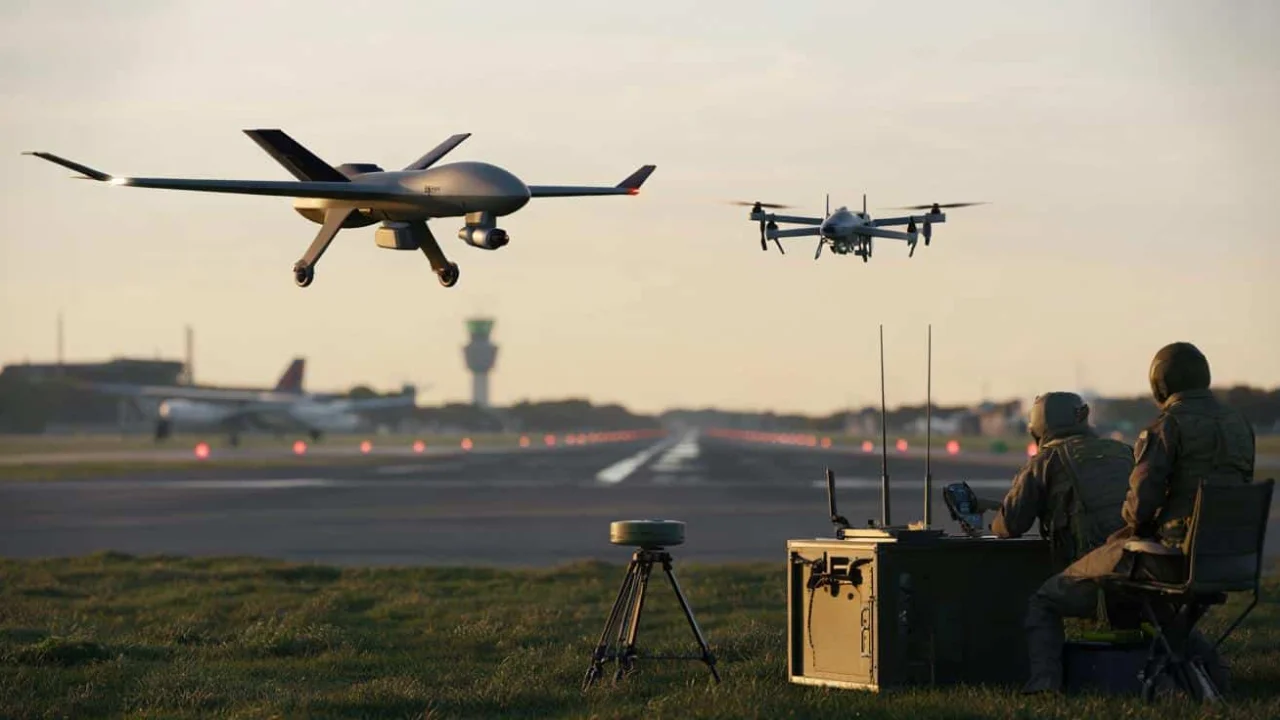
Last Tuesday morning, air traffic controllers at Brussels Airport watched their screens in growing alarm. A small, unidentified object was hovering directly over the main runway, forcing them to ground all incoming flights for nearly three hours. Passengers sat stranded in departure lounges while security teams scrambled to locate what turned out to be an unauthorized drone.

For Maria Santos, a business traveler trying to reach an important client meeting in London, it was just another frustrating delay. But for Belgium’s defense officials, it was the final straw in a series of mysterious drone incursions that have been plaguing the country’s most sensitive sites.
This incident, along with dozens of others targeting military bases and critical infrastructure, has pushed Belgium into an urgent antidrone fight that’s costing the nation €50 million and raising serious questions about European airspace security.

Why Belgium Is Scrambling to Defend Its Skies
The antidrone fight in Belgium isn’t just about nuisance flights anymore. Over the past several months, mysterious drones have repeatedly appeared over airports, military installations, and critical infrastructure like power plants and transport hubs. These aren’t random hobbyist incidents – they’re coordinated, sophisticated operations that have exposed massive gaps in the country’s air defense capabilities.
Belgium’s Ministry of Defence has fast-tracked a €50 million emergency investment in BLAZE, an interceptor drone system developed by Latvian company Origin Robotics. The system promises to detect, track, and neutralize unauthorized drones within minutes of detection.
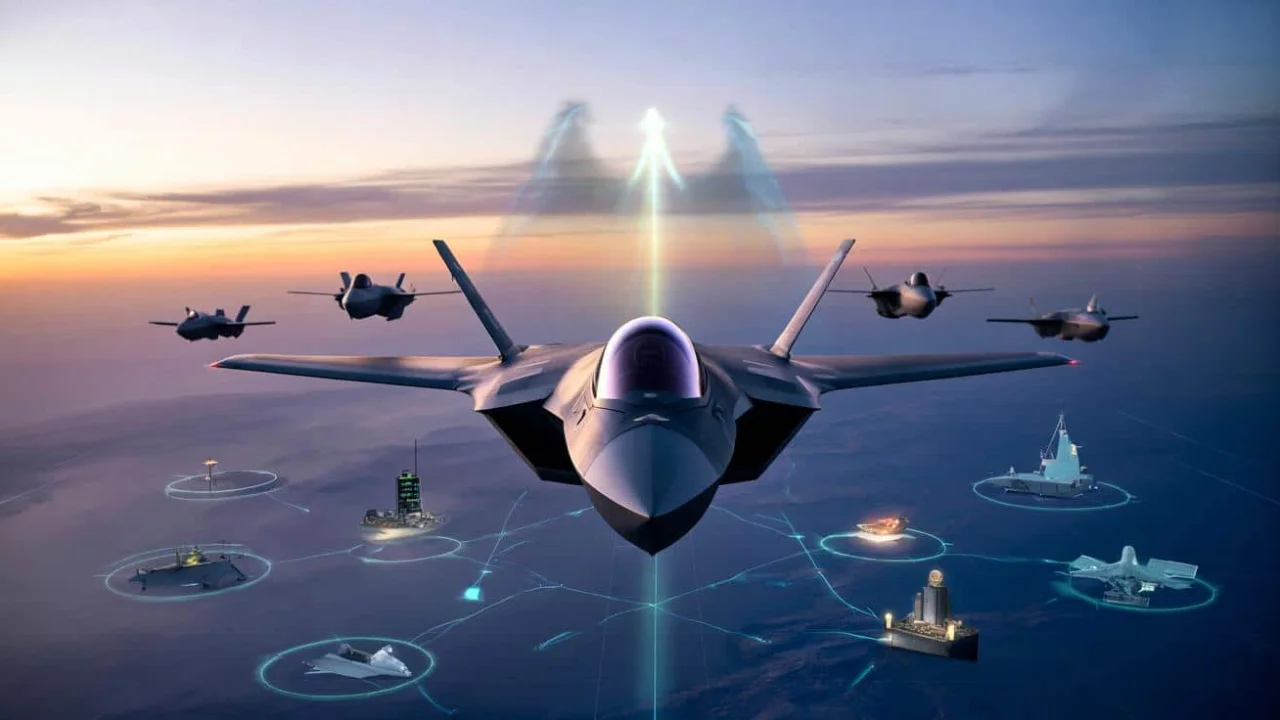
“We’re essentially fighting invisible threats that can appear anywhere, anytime,” explains defense analyst Dr. Hans Mueller. “Traditional air defense systems weren’t designed for something the size of a small backpack flying at 200 feet.”
The timing isn’t coincidental. Behind closed doors, Belgian officials suspect these drone incursions could be linked to pressure tactics related to frozen Russian assets held at Euroclear in Brussels. While no official blame has been assigned, the pattern suggests coordination rather than coincidence.
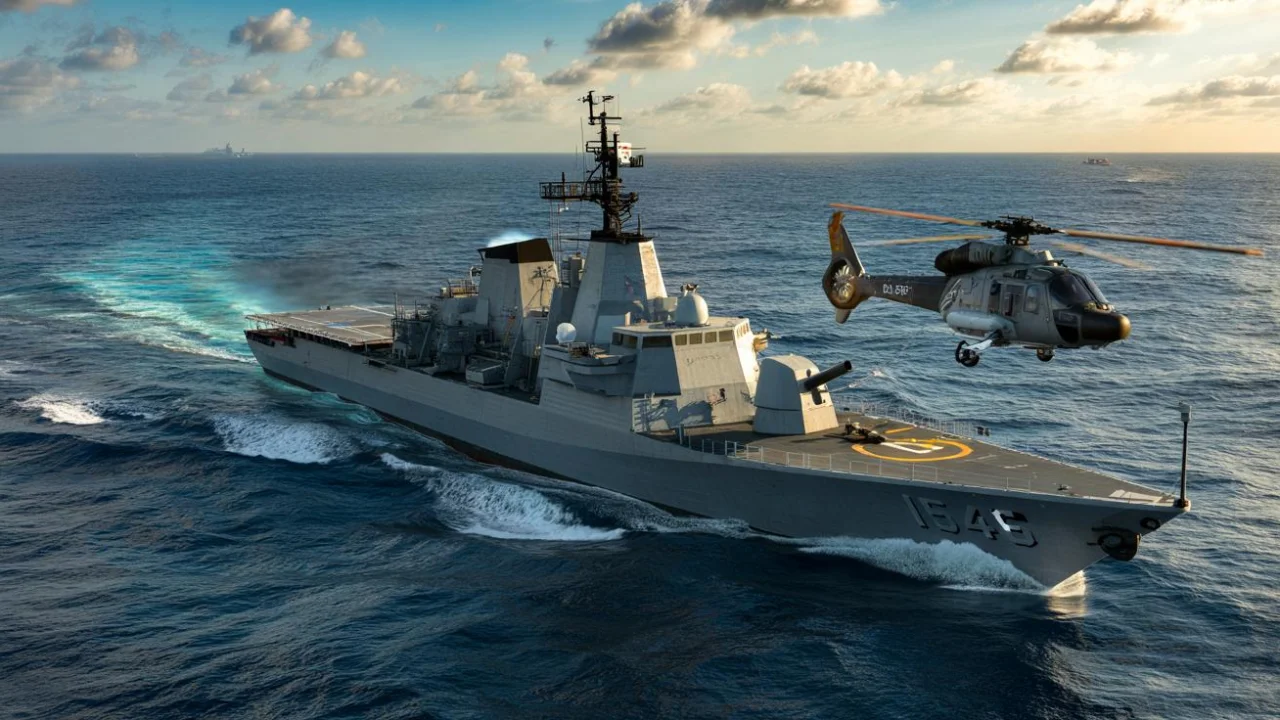
Inside Belgium’s €50 Million Antidrone Investment
The BLAZE system represents a new approach to the antidrone fight. Unlike traditional jamming methods that can interfere with civilian communications, BLAZE uses physical interceptor drones to neutralize threats. Here’s what Belgium is getting for its investment:
| BLAZE System Component | Capability | Response Time |
|---|---|---|
| Detection Network | Identifies drones up to 5km away | Under 30 seconds |
| Tracking System | Locks onto targets automatically | 10-15 seconds |
| Interceptor Drones | Physical neutralization | 2-4 minutes |
| Command Center | Coordinates multiple sites | Real-time |
The system’s key advantages include:
- Portable deployment units that can be moved between high-risk locations
- No interference with civilian communications or navigation systems
- Ability to capture intact drones for forensic analysis
- Integration with existing NATO defense networks
- 24/7 automated monitoring with human oversight
“What makes BLAZE different is that it physically captures the threat rather than just jamming it,” notes security expert Colonel Rebecca Thompson (ret.). “That means we can analyze the drone, trace its origin, and gather intelligence about who’s behind these operations.”
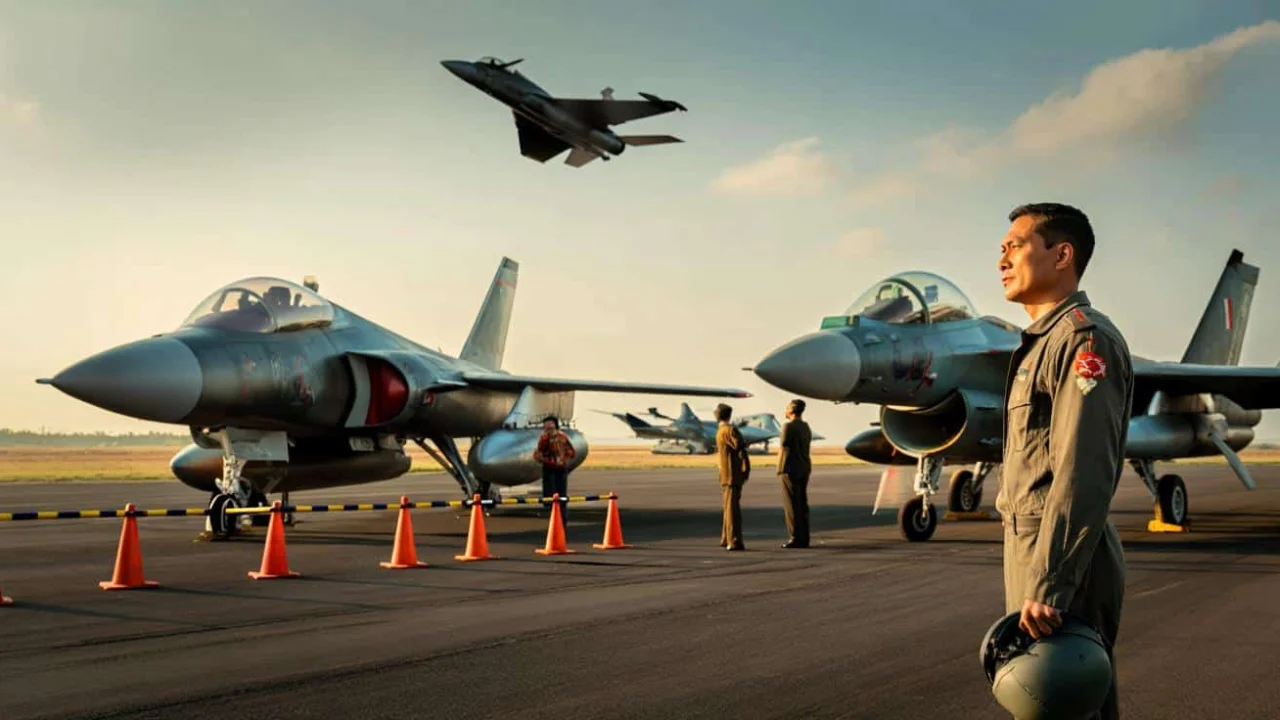
The system will initially protect Belgium’s most critical sites, including Brussels Airport, the Port of Antwerp, nuclear facilities, and key military installations. Mobile units will provide rapid response capability for emerging threats.
What This Means for Everyday Europeans
The antidrone fight isn’t just about national security – it’s about keeping daily life running smoothly. When drones shut down airports, thousands of travelers face delays and cancellations. When they target power infrastructure, entire neighborhoods could lose electricity. When they hover over ports, international shipping slows down.
For regular drone enthusiasts, the new security measures will likely mean stricter regulations and more restricted flying zones. Belgium is already considering mandatory registration for all drones over 250 grams and real-time tracking requirements for commercial operators.
“Honest drone pilots will adapt to the new rules, but the malicious actors won’t care about regulations anyway,” explains aviation lawyer Philippe Dubois. “That’s why we need systems like BLAZE that can respond to actual threats rather than just creating more paperwork.”
The broader implications extend across Europe. If Belgium’s €50 million investment proves effective, other EU nations are likely to follow suit. This could create a continent-wide antidrone network that shares intelligence and coordinates responses to cross-border threats.
However, the technology raises privacy concerns. The detection systems needed to spot hostile drones will also monitor all low-altitude aircraft, potentially tracking everything from police helicopters to hobby planes. Balancing security needs with civil liberties remains an ongoing challenge.
“We’re entering an era where the airspace closest to the ground becomes as controlled as the high-altitude corridors used by commercial airlines,” predicts aerospace engineer Dr. Sarah Chen. “The question is whether we can do this without turning Europe into a surveillance state.”
Belgium’s antidrone fight also highlights how modern conflicts extend beyond traditional battlefields. By targeting civilian infrastructure with cheap, commercially available drones, hostile actors can cause significant disruption without crossing obvious red lines that would trigger military responses.
The success or failure of Belgium’s BLAZE investment will likely influence how NATO allies approach similar threats. With drone technology becoming more accessible and sophisticated, the antidrone fight is just beginning across Europe and beyond.
FAQs
How much is Belgium spending on its antidrone fight?
Belgium has allocated €50 million for the BLAZE interceptor drone system as an emergency measure to protect critical infrastructure.
What makes the BLAZE system different from other antidrone technologies?
Unlike jamming systems, BLAZE uses physical interceptor drones to capture threats intact, allowing for forensic analysis and intelligence gathering.
Who is behind the mysterious drone flights over Belgium?
No official blame has been assigned, but Belgian officials privately suggest connections to pressure tactics related to frozen Russian assets in Brussels.
Will regular drone users be affected by these new security measures?
Yes, Belgium is considering stricter registration requirements and expanded no-fly zones, though details are still being finalized.
How quickly can the BLAZE system respond to drone threats?
The system can detect drones within 30 seconds and deploy interceptors within 2-4 minutes of initial detection.
Could other European countries adopt similar antidrone systems?
If Belgium’s investment proves successful, other EU nations are likely to implement comparable systems, potentially creating a continent-wide defense network.
About the Author