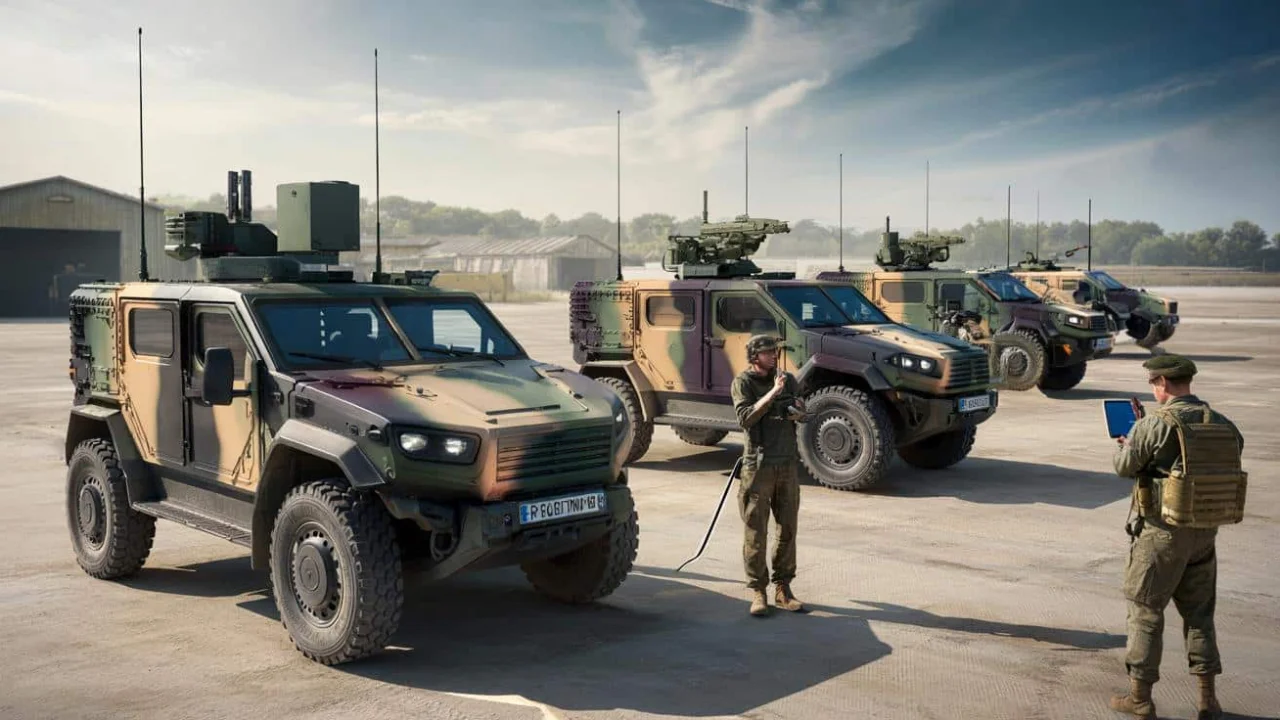
Captain Marie Dubois adjusts her headset as she watches the first Serval armoured vehicle roll into the French Army base near Mourmelon. After fifteen years of commanding troops in Mali, Afghanistan, and other hotspots, she’s seen plenty of military hardware come and go. But this feels different.
“My soldiers won’t have to worry about getting stuck in sand dunes or breaking down miles from support,” she tells her sergeant. “These aren’t just trucks with armor bolted on. They’re built for the fights we’re actually going to face.”
For families back home whose sons and daughters serve in France’s military, this moment represents something profound: their loved ones will have better protection and more capable equipment when deployed to the world’s most dangerous places.
France Doubles Down on Next-Generation Battlefield Protection
The French Army has officially taken delivery of its first thirty Serval armoured vehicles, marking a major milestone in the country’s €1 billion defense modernization effort. These aren’t your grandfather’s military vehicles – they’re specifically designed for today’s complex battlefields where drones, precision missiles, and electronic warfare dominate.
The Serval “Appui Scorpion” represents France’s answer to a simple question: how do you protect soldiers when the enemy can see everything, strike anywhere, and disrupt communications at will? The answer involves rethinking everything from the ground up.
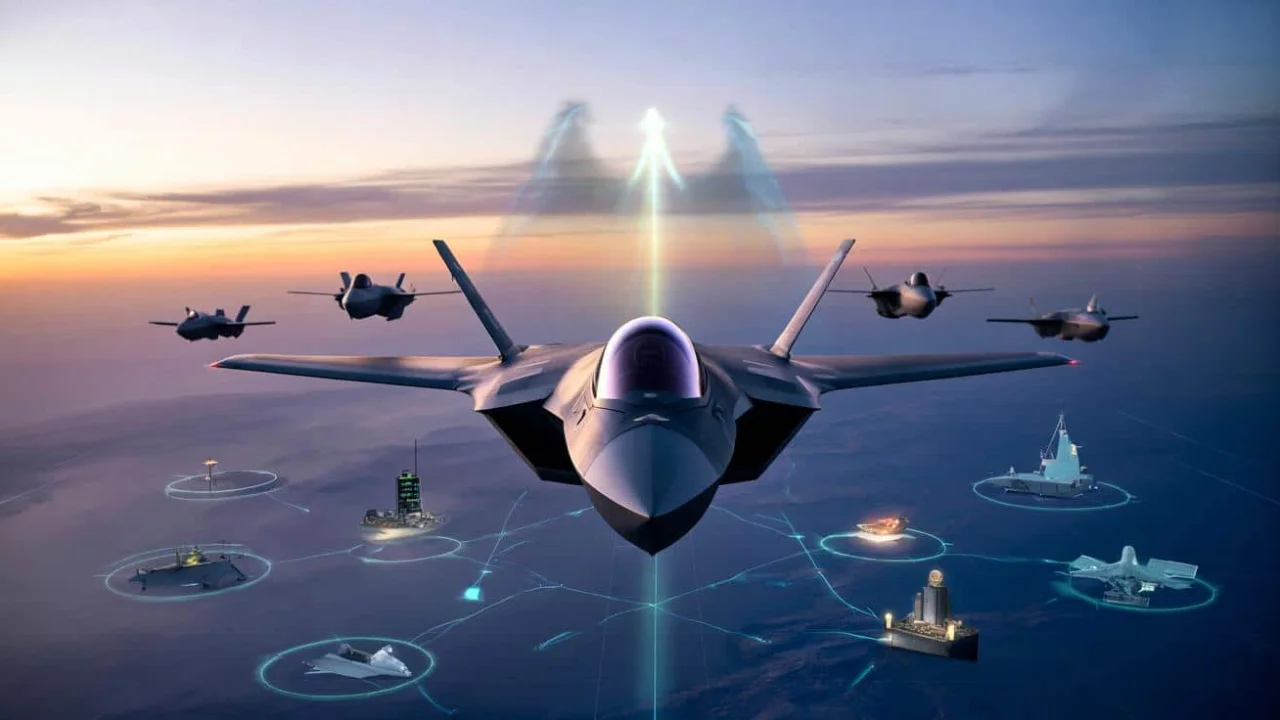
“We’re not just buying vehicles; we’re investing in a complete tactical ecosystem,” explains Colonel Jean-Pierre Laurent, a defense analyst at the French War College. “Every Serval can talk to every other Serval, share targeting data, and coordinate responses in real-time.”
The procurement deal, signed with KNDS France and Texelis in February 2025, calls for 530 vehicles total. But these first thirty units will undergo intensive field testing before the full rollout begins.
What Makes These Serval Armoured Vehicles Different
The Serval belongs to the VBMR-L (light multi-role armored vehicle) family, designed to work alongside heavier platforms like the Griffon. Think of it as the Swiss Army knife of modern warfare – compact, versatile, and deadly effective.
| Specification | Details |
|---|---|
| Weight Class | Light armored (under 25 tons) |
| Crew Capacity | 3-8 personnel depending on configuration |
| Primary Role | Multi-mission support platform |
| Special Features | Modular weapon systems, advanced sensors |
| Protection Level | STANAG 4569 Level 3 minimum |
| Communication | Full Scorpion network integration |
Here’s what sets the Serval apart from older armored vehicles:
- Drone Integration: Built-in systems to detect, track, and neutralize enemy drones
- Modular Weapons: Can mount different weapon systems depending on mission requirements
- Electronic Warfare Resistance: Hardened against jamming and cyber attacks
- Rapid Deployment: Light enough for quick air transport to crisis zones
- Network Warfare: Seamlessly connects to French military’s digital battlefield network
“The old way of thinking was ‘bigger armor, bigger guns,'” notes defense contractor spokesperson Claire Moreau. “The Serval philosophy is ‘smarter systems, faster decisions, better coordination.'”
The vehicle can be configured for multiple roles: troop transport, command and control, medical evacuation, or as a weapons platform. This flexibility means fewer different vehicle types to maintain and train on.
Real-World Impact for French Military Operations
For French soldiers deployed in places like the Sahel region of Africa, Eastern Europe, or other global hotspots, the Serval armoured vehicles represent a significant upgrade in both protection and capability.
The timing isn’t coincidental. France’s military has been stretched thin across multiple international commitments, from peacekeeping in Africa to NATO duties in Eastern Europe. Older vehicles were breaking down frequently and couldn’t cope with modern threats like improvised explosive devices and drone attacks.
“Our troops deserve equipment that gives them every possible advantage,” says General Philippe Steininger, speaking at the handover ceremony. “The Serval doesn’t just protect lives – it helps complete missions more effectively.”
The broader implications extend beyond France’s borders. As a major NATO contributor and key player in European defense, France’s military capabilities directly affect regional security. Allies are watching closely to see how well the Serval performs in real-world conditions.
For military families, the psychological impact matters too. Knowing their loved ones have state-of-the-art protection and communication systems provides some comfort during deployments.
The vehicles also represent thousands of jobs across French defense industries. The manufacturing and support contracts will sustain employment in specialized engineering, electronics, and manufacturing sectors for years to come.
“This isn’t just about military capability – it’s about maintaining France’s position as a credible military power,” explains Dr. Elisabeth Roux, a defense economics researcher at Sciences Po. “Countries that fall behind in military technology quickly find their diplomatic influence declining.”
The Serval program also demonstrates France’s commitment to developing European defense capabilities independent of American systems. This strategic autonomy has become increasingly important as global power dynamics shift.
Looking ahead, the success of the Serval armoured vehicles could influence similar programs across Europe. Several NATO allies are closely monitoring performance data to inform their own procurement decisions.
The first operational deployment is expected within six months, likely to one of France’s ongoing missions in West Africa. This will provide crucial real-world testing data to refine tactics, training, and maintenance procedures before the full fleet rollout.
FAQs
How much did France spend on these Serval armoured vehicles?
The total contract is worth just over €1 billion for 530 vehicles, with the first 30 now delivered.
When will all 530 Serval vehicles be delivered?
The complete delivery schedule extends over several years, with gradual rollout based on testing results and military priorities.
What makes the Serval different from other armored vehicles?
It’s specifically designed for modern threats like drones and electronic warfare, with modular systems and advanced networking capabilities.
Where will these vehicles be deployed first?
The initial operational deployment is expected in one of France’s existing overseas missions, likely in West Africa within six months.
Can the Serval be transported by air?
Yes, its light weight classification allows for rapid air deployment to crisis zones worldwide.
Who built the Serval armoured vehicles?
KNDS France and Texelis manufactured them under contract with France’s defense procurement agency (DGA).
About the Author