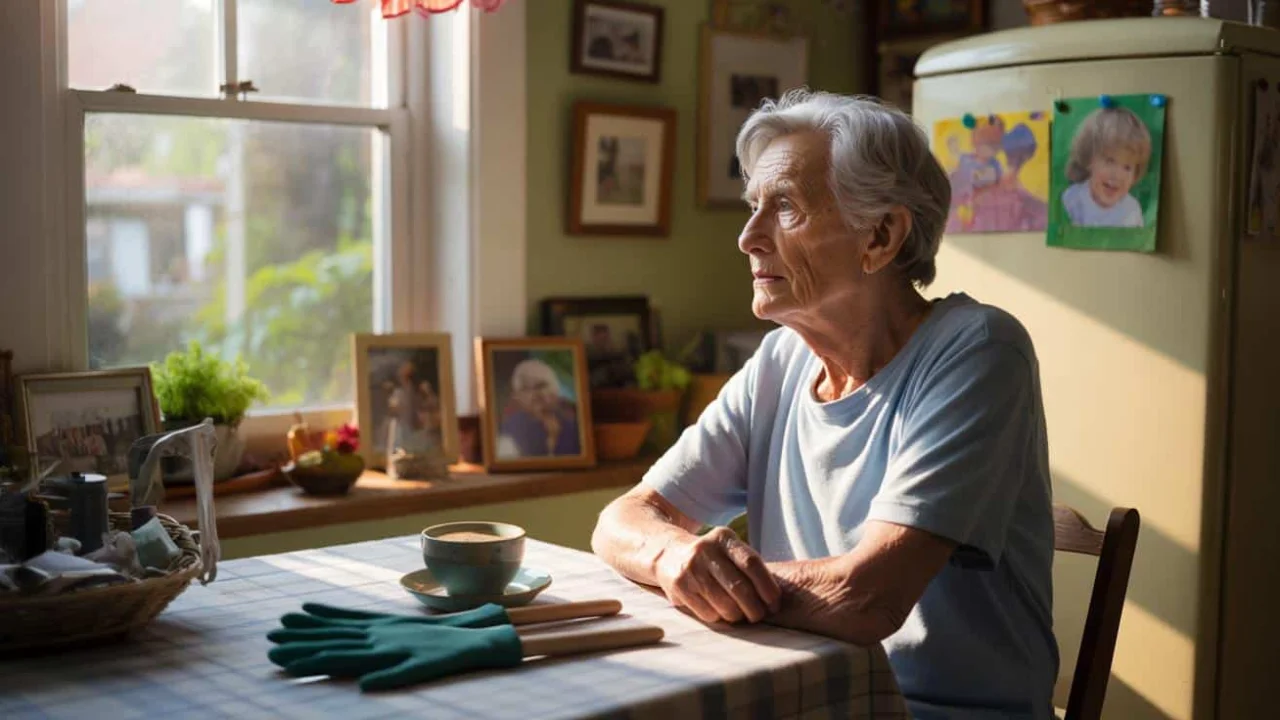
Sarah stared at her childhood Christmas tree topper, a golden star with one bent point and faded glitter that had been shedding onto her furniture for the past three weeks. Every December, she’d carefully unwrap it from tissue paper and place it atop her tree, just like her mother had done, and her grandmother before that. But this year felt different.

As she scrolled through Instagram, she kept seeing something that made her pause. The most beautiful Christmas trees didn’t have traditional toppers at all. Instead, they had something she couldn’t quite name—elegant branches, cascading ribbons, or simply nothing but the tree’s natural peak.
That’s when it hit her. Maybe it was time to retire the star.
The Quiet Revolution Changing Christmas Tree Design
Professional decorators and interior designers are quietly abandoning the traditional Christmas tree topper in favor of more sophisticated alternatives. This shift represents a broader move toward minimalist, organic holiday decorating that prioritizes elegance over kitsch.
The classic star or angel perched at the top of Christmas trees is being replaced by natural elements like oversized branches, dried pampas grass, cascading ribbon arrangements, or simply allowing the tree’s natural form to speak for itself. This approach creates a more cohesive, sculptural look that feels less costume-party and more art installation.

“I rarely use traditional toppers anymore,” says Maria Chen, a luxury interior designer based in New York. “My clients want sophistication, not something that looks like it came from a discount store in 1987.”
The movement started in high-end hotels and boutiques but has quickly spread to residential spaces as people seek more refined holiday aesthetics. Social media has accelerated this trend, with #minimalistchristmas and #organicholidaydecor gaining millions of views.
What Designers Use Instead of Traditional Tree Toppers
The alternatives to conventional Christmas tree toppers focus on natural materials and organic shapes that complement rather than dominate the tree. Here are the most popular replacements:
- Oversized dried branches – Eucalyptus, birch, or willow branches create height and texture
- Pampas grass clusters – Soft, feathery plumes that add movement and elegance
- Ribbon fountains – Velvet or silk ribbons cascading down from the tree’s peak
- Dried flower arrangements – Lunaria, cotton branches, or preserved hydrangeas
- Natural tree peak – Simply leaving the tree’s natural form exposed
- Minimalist wire sculptures – Geometric shapes in copper or gold wire
The key is choosing elements that feel like extensions of the tree rather than additions to it. This creates visual flow and prevents the jarring contrast that traditional toppers can create.
| Traditional Topper | Modern Alternative | Visual Effect |
|---|---|---|
| Plastic Star | Golden eucalyptus branches | Organic, flowing |
| Light-up Angel | Cascading cream ribbon | Soft, elegant movement |
| Glittery Ornament | Pampas grass cluster | Natural texture, height |
| Bow | Dried cotton branches | Sculptural, winter-themed |
“The goal is to make the tree feel like a cohesive piece of art,” explains James Rodriguez, a holiday decorator who works with luxury retailers. “When you plop a plastic star on top, it breaks that spell.”
Why This Change Matters for Your Holiday Decorating
This shift reflects broader changes in how people approach holiday decorating. The move away from traditional Christmas tree toppers signals a desire for more sophisticated, Instagram-worthy holiday displays that feel curated rather than chaotic.
For homeowners, this trend offers several practical benefits. Natural alternatives often last longer than plastic decorations and can be reused in other arrangements throughout winter. They also photograph better, creating more visually appealing holiday memories and social media content.
The environmental aspect appeals to eco-conscious decorators too. Dried natural materials can be composted after the holidays, unlike plastic toppers that end up in landfills. Many people are choosing locally-sourced branches or growing their own decorative elements.
“I started using branches from my yard instead of buying new decorations every year,” shares Lisa Park, a mother of three from Portland. “My kids actually prefer it—they help me gather materials and arrange them.”
The trend also allows for more personalization. Instead of choosing between a handful of mass-produced toppers, families can create unique arrangements that reflect their style and local environment.
Interior designers report that clients feel more satisfied with their holiday decorating when it aligns with their overall home aesthetic. Traditional toppers often clash with modern or minimalist interiors, while natural alternatives complement existing decor.
This approach extends beyond just the tree topper. Many people are applying the same principles to their entire holiday decorating scheme, choosing natural wreaths, organic garlands, and handmade ornaments that create a cohesive, sophisticated look throughout their homes.
The financial benefits shouldn’t be overlooked either. High-quality traditional toppers can cost $50-200, while natural alternatives like branches or dried grasses often cost under $20 and can be gathered for free in many cases.
Making the Switch: Practical Tips
If you’re ready to try this trend, start small. You don’t need to completely overhaul your holiday decorating approach. Simply skip the traditional topper this year and see how your tree looks with its natural peak showing.
For those wanting to add something special, visit your local craft store or florist for dried elements. Eucalyptus, cotton branches, and pampas grass are widely available and easy to work with.
Remember that the goal is subtlety. The most effective alternatives don’t scream for attention but rather enhance the tree’s natural beauty. Think of yourself as highlighting what’s already there rather than adding decoration.
“The best tree toppers are the ones you barely notice,” notes decorator Amanda Foster. “They should feel inevitable, like they grew there naturally.”
FAQs
What do professional decorators use instead of traditional Christmas tree toppers?
Most commonly, they use oversized dried branches, pampas grass clusters, cascading ribbons, or simply leave the tree’s natural peak exposed for a more organic look.
Is it okay to have a Christmas tree without a topper?
Absolutely. Many modern decorators prefer trees without traditional toppers, allowing the natural form of the tree to be the focal point.
Where can I find natural materials for alternative tree toppers?
Check craft stores, florists, or your own yard for branches, dried grasses, or other natural elements. Many materials can be gathered outdoors for free.
How do I attach natural elements to the top of my tree?
Use floral wire or twist ties to secure branches or dried materials to the top branches. The key is making it look effortless and natural.
Will skipping a traditional topper make my tree look unfinished?
Modern decorating principles suggest that less is often more. A well-decorated tree with quality ornaments and good lighting rarely looks unfinished without a topper.
How much money can I save by using natural tree topper alternatives?
Natural alternatives typically cost $10-20 compared to $50-200 for high-end traditional toppers, and many materials can be gathered for free from your yard or local areas.
About the Author