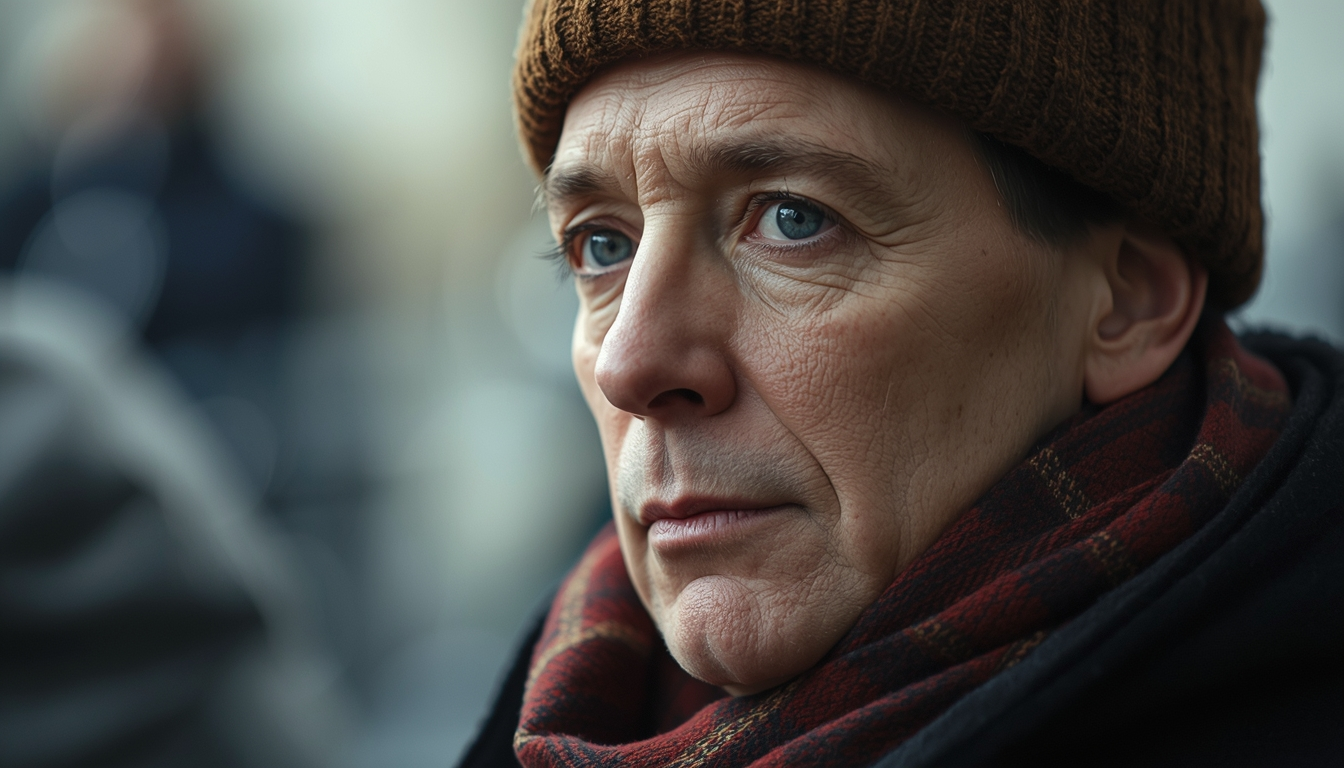
Maria had been dreaming of studying quantum physics at Moscow State University since she was fifteen. The German high school student spent hours perfecting her Russian, saving money from her part-time job, and researching exchange programs that could make her dream possible. The DAAD scholarship she’d applied for seemed like the perfect bridge between her homeland and her academic future.

Now, at nineteen, Maria stares at her laptop screen in disbelief. The email from her Russian contact is brief and chilling: “I’m sorry, but we can no longer communicate officially. It’s become too dangerous.” Her dream didn’t die on a battlefield or in a political summit. It died in a bureaucratic decree that turned academic cooperation into a potential crime.
Maria’s story isn’t unique. Across Europe and Russia, thousands of students, researchers, and educators are grappling with the fallout from Russia’s decision to ban the German Academic Exchange Service (DAAD). What started as geopolitical tensions has now reached deep into university halls and research labs, turning scholarly collaboration into a legal minefield.

Germany Fights Back Against Academic Iron Curtain
German Foreign Minister Johann Wadephul isn’t backing down from what he sees as an attack on the foundation of international education. Speaking at the Munich Security Conference, Wadephul delivered one of his sharpest rebukes yet of Russian policy, calling the Russian DAAD ban “completely unfounded” and demanding its immediate reversal.
The Russian Justice Ministry’s classification of DAAD as an “undesirable organisation” carries devastating consequences that go far beyond diplomatic posturing. Under Russian law, this designation doesn’t just close offices or suspend programs. It criminalizes contact with the organization, potentially exposing Russian citizens to prosecution for activities as simple as applying for grants or attending DAAD-sponsored conferences.

“This decision doesn’t just harm German-Russian relations,” Wadephul emphasized during his Munich address. “It attacks the very principle that knowledge should flow freely across borders, regardless of political disagreements.”
The timing of Russia’s move has caught many observers off guard. DAAD has operated in Russia for decades, facilitating thousands of academic exchanges and research collaborations that have benefited scholars from both nations. The organization’s work spans everything from undergraduate exchange programs to joint research projects in fields like environmental science and medical research.

Breaking Down What This Ban Really Means
The scope of the Russian DAAD ban extends far beyond what most people realize. Here’s what the designation as an “undesirable organisation” actually prohibits:
- Russian citizens cannot legally participate in DAAD-funded programs or events
- Universities and research institutions face legal risks for formal cooperation with DAAD
- Even informal academic networking with DAAD representatives could trigger prosecution
- Existing scholarship recipients may be forced to abandon their studies
- Joint research projects involving DAAD funding face immediate termination

The numbers paint a stark picture of what’s at stake:
| Program Type | Annual Participants | Impact of Ban |
|---|---|---|
| Student Exchange Programs | 2,400+ | Complete suspension |
| Research Fellowships | 800+ | Immediate termination |
| Language Programs | 1,200+ | Legal prosecution risk |
| Academic Conferences | 150+ events | Russian participation banned |
Dr. Elena Volkov, a Russian physicist who completed her doctorate through a DAAD fellowship, describes the current atmosphere as “suffocating.” She explains: “Colleagues are afraid to even mention their past DAAD connections in emails. We’re watching decades of scientific collaboration disappear overnight.”
The ban particularly affects Russia’s younger generation of researchers, many of whom relied on DAAD programs as stepping stones to international careers. “These students didn’t choose the political tensions between their countries,” notes Professor Klaus Weber, a German exchange coordinator. “But they’re the ones paying the highest price for this escalation.”
Real People Face Impossible Choices
Beyond the statistics and political statements lie individual stories of dreams interrupted and careers derailed. The Russian DAAD ban has created a generation of academic refugees who must choose between their education and their safety.
Take Alexei, a 24-year-old Russian computer science student who was halfway through a DAAD-funded master’s program in Berlin. He now faces an impossible choice: complete his studies and risk being branded a criminal in his homeland, or abandon two years of work and return to an uncertain future in Russia.
Russian universities are also scrambling to respond. Many institutions that built their international reputations through DAAD partnerships now find themselves isolated from global academic networks. “We’re not just losing funding,” explains a Moscow-based university administrator who requested anonymity. “We’re losing our connection to the international research community.”
The ripple effects extend to German institutions as well. Universities that invested years building relationships with Russian counterparts are watching those partnerships crumble. Research projects spanning multiple continents suddenly find themselves with missing pieces, as Russian collaborators withdraw to avoid legal complications.
Academic conferences that once brought together the brightest minds from across Europe now operate under a cloud of uncertainty. Russian researchers who might have groundbreaking findings to share are forced to stay home, while German colleagues wonder if their work will ever reach Russian audiences again.
“Academic freedom isn’t a luxury or a political tool,” argues Dr. Sarah Mitchell, who directs international programs at a major German university. “It’s the foundation of human progress. When we start criminalizing the exchange of knowledge, we all lose.”
The ban has also created practical nightmares for ongoing projects. Research teams working on everything from climate change to medical breakthroughs find themselves legally unable to include Russian colleagues, despite years of productive collaboration.
Perhaps most tragically, the Russian DAAD ban affects fields where international cooperation could address humanity’s biggest challenges. Environmental research, pandemic preparedness, and space exploration all depend on scientists working across borders. When political tensions override scientific cooperation, the entire world suffers the consequences.
As Wadephul continues to demand a reversal of the ban, the academic world watches and waits. For students like Maria, researchers like Alexei, and educators across both nations, the outcome will determine whether knowledge can transcend politics or whether a new iron curtain is falling across the world’s classrooms.
FAQs
What exactly is the DAAD?
The German Academic Exchange Service (DAAD) is the world’s largest funding organization for international academic exchange, based in Bonn, Germany.
Why did Russia ban the DAAD?
Russia classified DAAD as an “undesirable organisation” amid broader tensions with Western countries, though specific reasons weren’t detailed in official statements.
What happens to Russian students currently in DAAD programs?
They face legal risks if they continue participation and may be forced to abandon their studies or risk prosecution under Russian law.
Can this ban be reversed?
Yes, the Russian government could remove DAAD from the “undesirable organisations” list, which is what German Foreign Minister Wadephul is demanding.
How many people are affected by this ban?
Thousands of students, researchers, and academics who participate in DAAD programs between Germany and Russia are directly impacted.
Are other academic organizations at risk of similar bans?
The precedent suggests other international educational organizations could face similar designations if geopolitical tensions continue to escalate.
About the Author
