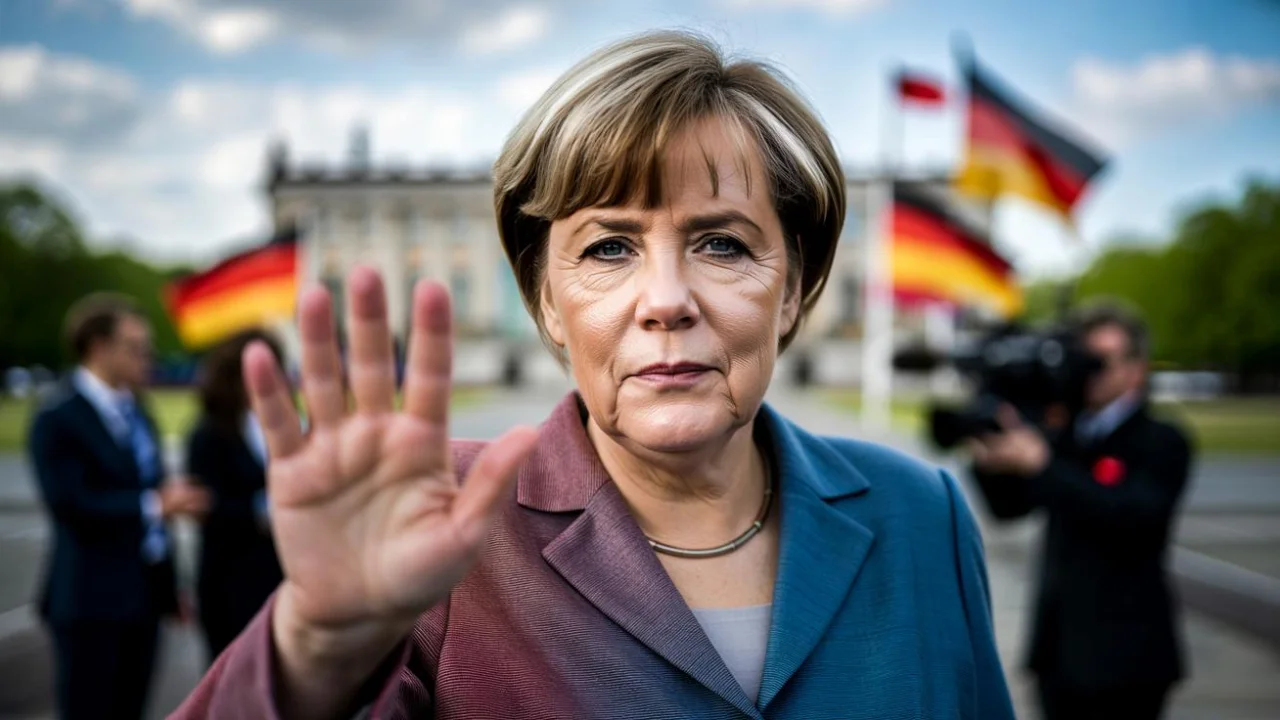
Picture this: you’re having coffee with friends in Berlin when someone mentions they heard Angela Merkel might become Germany’s next president. The conversation stops. Everyone leans in. After all, this is the woman who led Germany for 16 years, navigated the eurozone crisis, and became one of the world’s most recognizable leaders.
But here’s the thing – sometimes the most interesting political stories are the ones that never happen. This week, Germany got a masterclass in how quickly speculation can spread and how firmly it can be shut down when Angela Merkel’s office delivered a single, decisive word: “abwegig” – essentially meaning “absolutely not.”
The rumor mill had been working overtime, suggesting that Angela Merkel might emerge as a surprise candidate for the German presidency in 2027. For a brief moment, political observers wondered if the former chancellor might trade her quiet retirement for the symbolic but influential role at Bellevue Palace.

Why Everyone Started Talking About Merkel Again
The speculation didn’t come out of nowhere. According to reports from Bild newspaper, senior figures in Merkel’s own Christian Democratic Union (CDU) were getting nervous about something unexpected: the possibility that the Green Party might nominate their former political opponent as a cross-party presidential candidate.
Think about how wild that would be. The Greens, who often clashed with Merkel during her chancellorship, potentially backing her for Germany’s highest ceremonial office. It would have been the kind of political plot twist that makes headlines around the world.

“The idea seemed to catch everyone off guard,” says a Berlin-based political analyst. “One day it was just corridor gossip, the next day newspapers were running with it as a serious possibility.”
But Merkel’s team moved quickly to kill the story. Her spokesperson told Tagesspiegel newspaper that any talk of a presidential run was “abwegig” – a German word that doesn’t just mean “unlikely” but suggests the whole idea is so far-fetched it shouldn’t even be discussed seriously.
What This Presidential Race Actually Looks Like
Understanding why the Merkel rumors mattered means looking at what’s really happening with Germany’s presidential selection process. Unlike in countries where presidents are elected directly by voters, Germany’s president is chosen by a special federal assembly that meets every five years.
Here’s how the German presidential system works:

- The Federal Assembly includes all members of the Bundestag (lower house of parliament)
- An equal number of representatives from Germany’s 16 federal states join them
- This assembly meets specifically to elect the president
- The president serves a five-year term and can be re-elected once
- While the role is largely ceremonial, the president represents Germany internationally
| Current President | Term | Party Background |
|---|---|---|
| Frank-Walter Steinmeier | 2017-2022, 2022-2027 | Social Democratic Party (SPD) |
| Next Election | 2027 | Open race |
President Steinmeier is serving his second term, which means he cannot run again. This opens up a genuine contest for 2027, and that’s where the political maneuvering begins.
“Presidential elections in Germany might seem ceremonial, but they often reflect deeper political currents,” explains a constitutional law expert. “The parties use these races to signal their values and build coalitions.”
The Greens rejecting any behind-the-scenes plotting around Merkel makes sense when you consider they’ll likely want to field their own candidate or support someone who aligns more closely with their environmental and progressive agenda.
What This Means for German Politics Moving Forward
Merkel’s firm rejection of presidential speculation tells us something important about where German politics stands right now. The former chancellor clearly wants to stay retired, but her very name still generates enough buzz to dominate news cycles.
This episode reveals how much German politics is still processing the post-Merkel era. She stepped down as chancellor in 2021, but her influence on how Germans think about leadership remains strong. The fact that people could seriously discuss her as a presidential candidate shows she hasn’t faded from public consciousness.
For the parties actually competing in 2027, Merkel’s withdrawal removes one potential wild card from the race. The CDU can focus on their own candidate without worrying about their former leader complicating things. The Greens can pursue their strategy without the distraction of cross-party speculation.
“Merkel shutting this down quickly probably benefits everyone,” notes a political strategist in Berlin. “It lets all the parties get back to their actual planning instead of responding to rumors.”
The real presidential race will likely heat up as 2027 approaches. Each major party will want to nominate someone who can appeal beyond their traditional base, since the Federal Assembly includes representatives from different political backgrounds.
For ordinary Germans, this brief Merkel speculation offered a reminder of how much their political landscape has changed since she left office. Chancellor Olaf Scholz leads a very different kind of government, and the challenges facing Germany – from energy security to economic competitiveness – require new approaches.
The Angela Merkel German presidency rumors lasted just long enough to remind everyone why she remains such a significant figure in German public life. But her decisive rejection also signals that she’s serious about letting others lead the country’s next chapter.
FAQs
Why can’t the current German president run for re-election in 2027?
Frank-Walter Steinmeier is already serving his second term, and the German constitution limits presidents to two five-year terms maximum.
How much power does the German president actually have?
The role is largely ceremonial, but presidents represent Germany internationally, sign laws into effect, and can influence public discourse on important issues.
Who chooses Germany’s president?
A special Federal Assembly made up of all Bundestag members plus an equal number of state representatives meets every five years to elect the president.
Could Angela Merkel still change her mind about running?
While technically possible, her office’s use of “abwegig” suggests she’s firmly closed the door on any presidential ambitions.
When will serious presidential campaigning begin for 2027?
Most parties typically begin discussing potential candidates about a year before the election, so expect more concrete developments in 2026.
Why did people think the Greens might nominate Merkel?
Cross-party presidential candidates sometimes emerge as compromise choices, and Merkel’s broad public appeal could theoretically attract votes from different political backgrounds.
About the Author