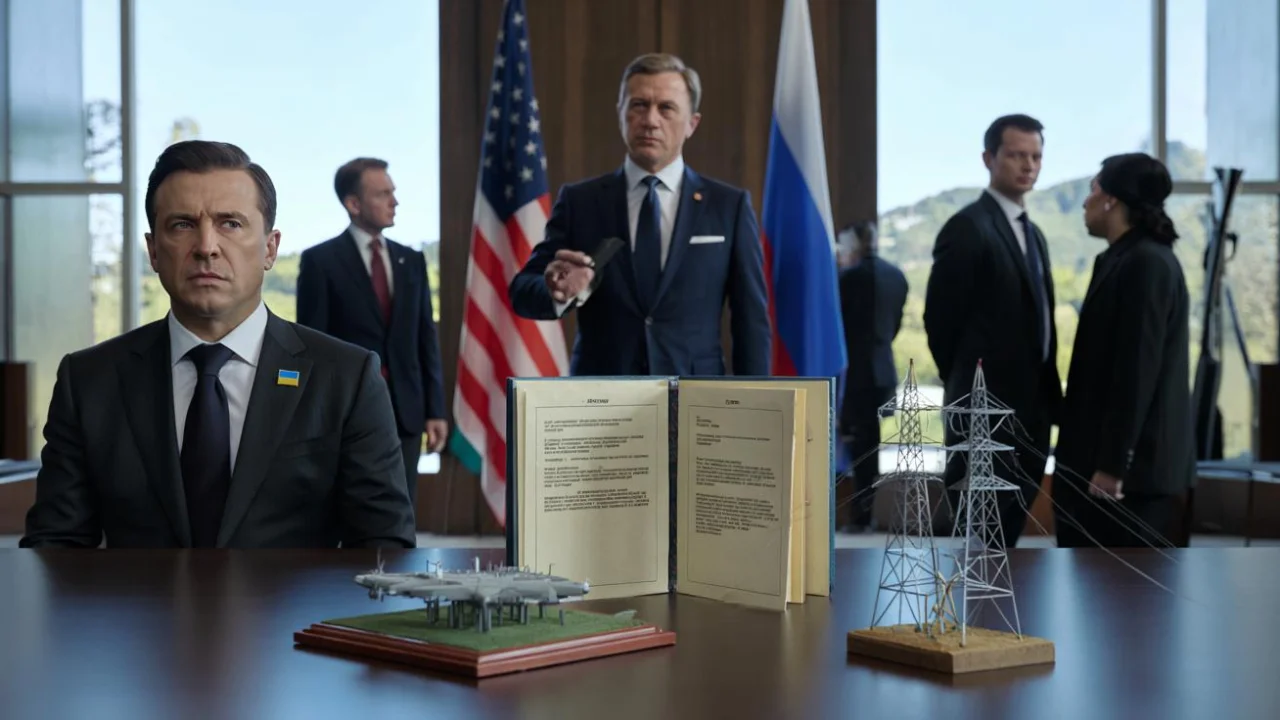
Imagine being a parent in Kharkiv, tucking your children into bed each night while distant explosions remind you that tomorrow isn’t guaranteed. For millions of Ukrainian families, this has been reality for nearly three years. Now, as diplomats gather in conference rooms thousands of miles away, their future hangs on a simple question: how many years of protection is enough?
President Volodymyr Zelenskyy has drawn his line in the sand. Ukraine won’t sign any peace deal with Russia unless the United States provides a ukraine security guarantee lasting at least 20 years. It’s not just about numbers on paper – it’s about whether Ukrainian children will grow up free from the constant threat of invasion.
At the Munich Security Conference, Zelenskyy made clear that Ukraine’s conditions aren’t negotiable. After losing so much blood and treasure defending their homeland, Ukrainian leaders refuse to accept anything less than ironclad, long-term protection from their most powerful ally.
The Numbers Game That Could End a War
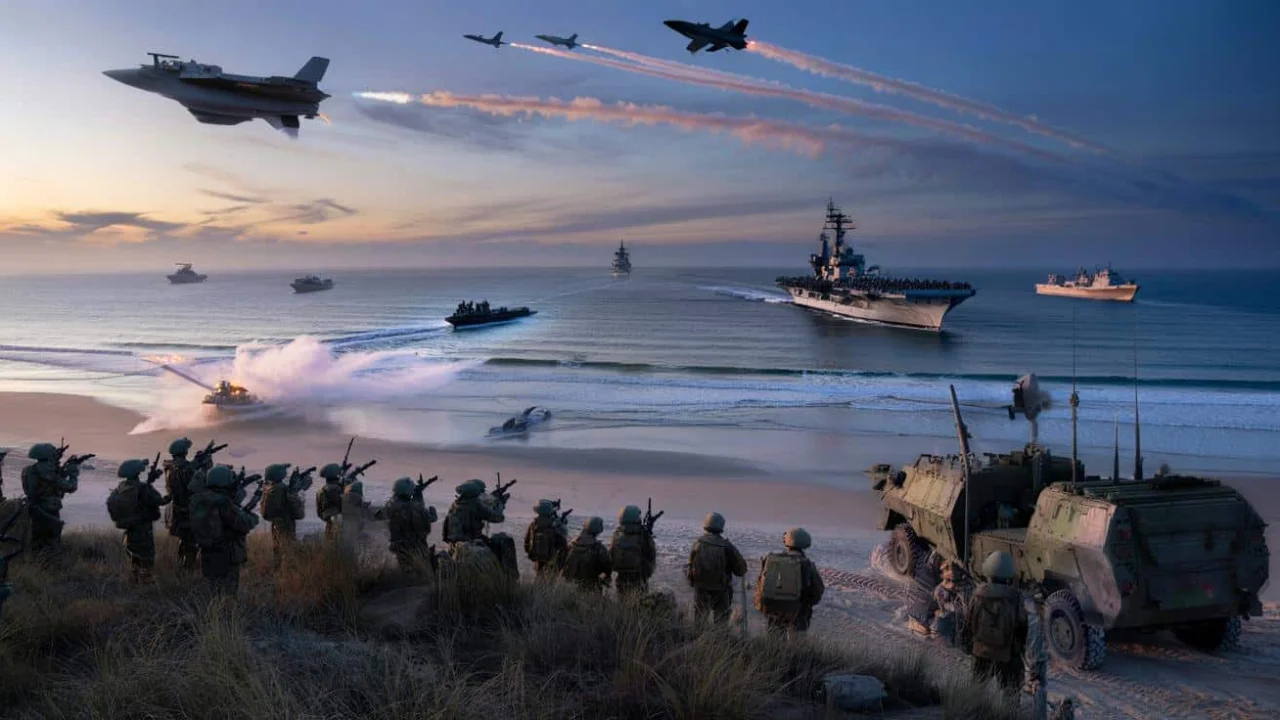
Right now, there’s a five-year gap between what Ukraine wants and what America is offering. US negotiators have proposed a 15-year ukraine security guarantee, but Kyiv insists on 20 years minimum. That might seem like splitting hairs, but those extra five years represent the difference between a generation growing up in safety or living under the shadow of future Russian aggression.
“We need a minimum 20-year, legally watertight US security pact before we can sign a peace deal with dignity,” Zelenskyy stated during his Munich address.
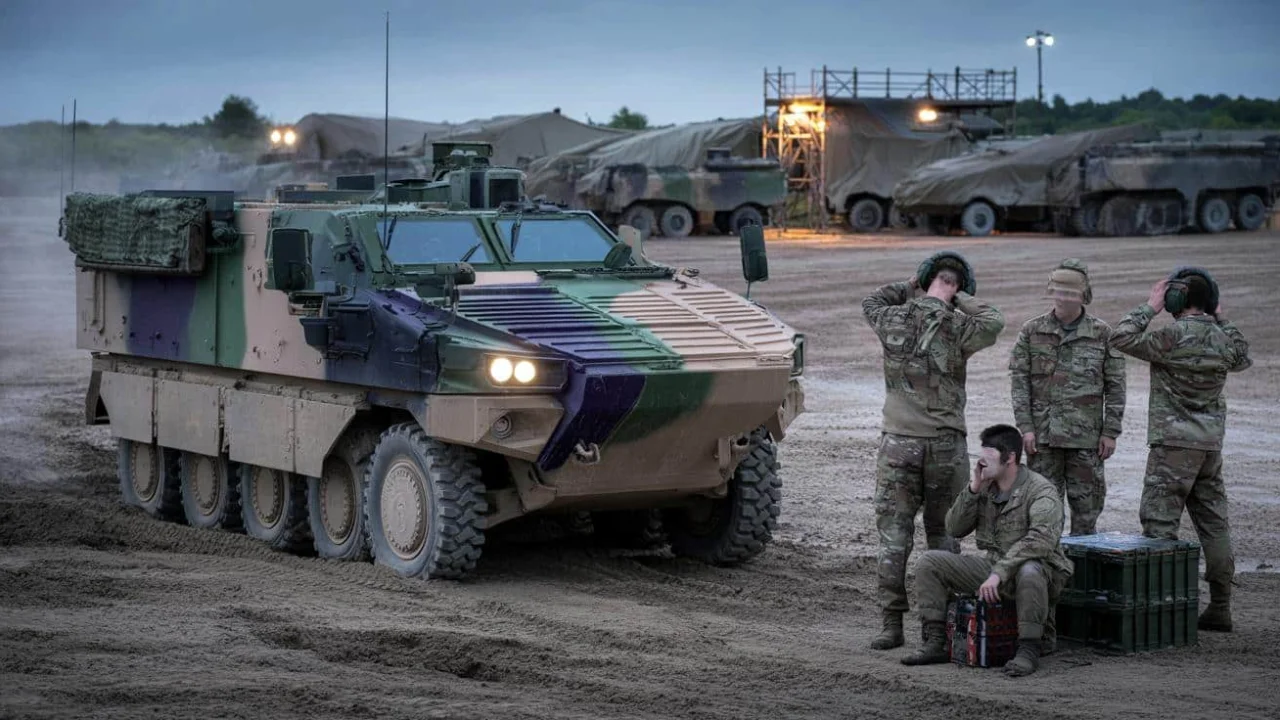
The proposed ukraine security guarantee wouldn’t just be about sending weapons when trouble starts. It would establish a comprehensive framework covering everything from military aid to intelligence sharing. Most significantly, it would define exactly how the US would support a planned European peacekeeping force that could be stationed inside Ukraine after any peace agreement.
But here’s where it gets complex: American officials have reportedly suggested that if Ukraine withdraws from the Donbas region, peace could come “as quickly as possible.” Zelenskyy’s response? Absolutely not.
What’s Really at Stake Beyond the Headlines
This isn’t just diplomatic chess. Real consequences flow from these negotiations, and they affect real people in measurable ways:
- Territorial integrity – Ukraine refuses to abandon the Donbas, where millions of Ukrainian citizens live
- Economic reconstruction – Long-term security guarantees would unlock massive international investment
- Refugee return – Families abroad need assurance it’s safe to come home
- NATO membership – A strong bilateral agreement could serve as a stepping stone to full alliance membership
The proposed ukraine security guarantee would also need to address some practical realities that don’t make headlines but matter enormously:
| Security Element | Current Status | Proposed Coverage |
|---|---|---|
| Military Equipment | Ad-hoc deliveries | Guaranteed annual provisions |
| Training Programs | Limited partnerships | Permanent US-Ukraine military cooperation |
| Intelligence Sharing | Crisis-based | Continuous strategic intelligence |
| Economic Support | Emergency aid packages | Long-term development commitments |
“The Ukrainian people have sacrificed too much to accept half-measures now,” explained a senior Ukrainian diplomat familiar with the negotiations. “A 15-year guarantee might sound generous, but what happens in year 16?”
Why This Matters Far Beyond Ukraine’s Borders
If you’re wondering why a ukraine security guarantee should matter to anyone outside Eastern Europe, consider this: the outcome of these negotiations will shape international relations for decades. Success could demonstrate that aggression doesn’t pay. Failure might encourage other authoritarian leaders to test Western resolve.
For European allies, Ukraine’s insistence on a robust security guarantee represents both opportunity and challenge. Countries like Poland and the Baltic states strongly support Ukraine’s position, knowing they could be next if Russia isn’t definitively deterred. However, some Western European nations worry about the long-term financial and military commitments such an agreement would require.
“What we’re really negotiating here isn’t just Ukraine’s security – it’s the entire post-war European order,” noted a former NATO official who spoke on condition of anonymity.
The economic implications extend far beyond military spending. A comprehensive ukraine security guarantee would likely trigger:
- Massive reconstruction investment from international partners
- Energy infrastructure rebuilding with enhanced security measures
- Agricultural sector restoration to help feed global markets
- Technology transfer agreements that could benefit both nations
Meanwhile, ordinary Ukrainians watch these negotiations with a mixture of hope and exhaustion. They’ve endured nearly three years of war, and many question whether any piece of paper – regardless of how many years it promises protection – can truly guarantee their children’s safety.
“My son asks me when the war will end,” said Maria Kovalenko, a teacher from Poltava. “I tell him when the grown-ups figure out how to keep us safe forever, not just for a few years.”
The stakes couldn’t be higher. Ukraine has already paid an enormous price for its independence – thousands of lives lost, cities destroyed, families separated. Now Zelenskyy is essentially telling the world that all those sacrifices will be meaningless unless the international community, led by the United States, commits to Ukraine’s long-term security with the same determination Ukraine has shown in defending itself.
As negotiations continue behind closed doors, one thing remains clear: Ukraine isn’t willing to trade temporary peace for permanent insecurity. The question now is whether America and its allies are ready to make the long-term commitments necessary to ensure this war truly ends – not just pauses until Russia decides to try again.
FAQs
What exactly would a 20-year Ukraine security guarantee include?
The guarantee would cover military aid, intelligence sharing, training programs, and support for European peacekeeping forces stationed in Ukraine.
Why does Ukraine want 20 years instead of 15?
Ukrainian leaders believe 20 years provides enough time to build strong defenses and deter future Russian aggression, while 15 years might leave them vulnerable.
Would this security guarantee be legally binding?
Yes, Ukraine insists the agreement must be legally watertight with specific commitments written into the text, not just political promises.
What happens if the US refuses Ukraine’s 20-year demand?
Ukraine has indicated it won’t sign any peace deal without adequate long-term security guarantees, potentially prolonging the current conflict.
How would this affect NATO membership for Ukraine?
A strong bilateral security agreement with the US could serve as a stepping stone toward eventual NATO membership, though that remains a separate process.
What’s Ukraine’s position on giving up territory for peace?
President Zelenskyy has firmly rejected suggestions to withdraw from regions like Donbas, calling such proposals unacceptable betrayals of Ukrainian citizens.
About the Author