Every morning, Maria Rodriguez steps off the NJ Transit train at Penn Station, joining thousands of commuters who navigate the cramped, outdated corridors beneath Madison Square Garden. Like most New Yorkers, she’s heard the promises about infrastructure improvements for years. But lately, the conversations around the coffee cart have taken an unexpected turn.
“Did you hear they might rename this place after Trump?” her colleague mentioned last week, gesturing at the familiar chaos of America’s busiest train station. Maria shook her head in disbelief. After decades of delayed renovations and tunnel projects, the focus had somehow shifted to what name might appear on the signs.
This isn’t just another political story buried in the news cycle. It’s about real money, real infrastructure, and real consequences for millions of daily commuters who depend on reliable transit between New York and New Jersey.

The Gateway Tunnel Project Takes Center Stage
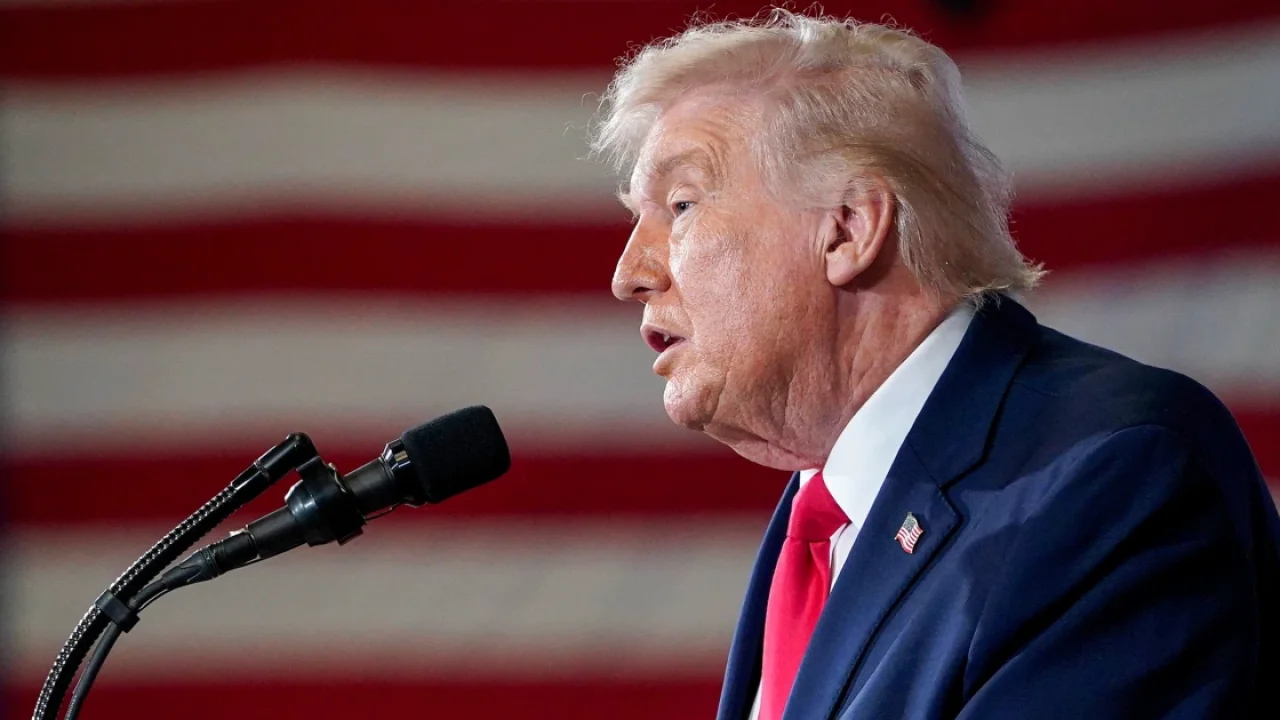
President Trump made headlines Monday when he addressed swirling reports about the Penn Station renaming controversy. According to multiple news outlets, including NBC News, the Trump administration had allegedly proposed renaming both Penn Station and Dulles International Airport in his honor as part of negotiations over the $16 billion Gateway tunnel project.
But Trump pushed back hard against these claims on his Truth Social platform. “The concept of renaming Penn Station was brought up by certain politicians and construction union heads, not me,” he stated firmly.
The Gateway tunnel project represents one of the most critical infrastructure needs in the Northeast. The existing century-old tunnels beneath the Hudson River handle more than 200,000 daily passengers, and engineers have warned they’re approaching the end of their useful life.
Trump’s latest statement came with a clear warning about financial responsibility. He declared that “under no circumstances, will the Federal Government be responsible for ANY COST OVERRUNS – NOT ONE DOLLAR!” The timing is significant, coming just two weeks after a federal judge temporarily blocked his administration from withholding project funding.
Breaking Down the Political Chess Game
The Penn Station renaming discussions reveal the complex web of politics, infrastructure needs, and federal funding that characterizes major public works projects. Here’s what we know about the key players and their positions:
| Player | Position | Stakes |
|---|---|---|
| Trump Administration | Opposes cost overruns, questions DEI funding principles | Federal budget control, political legacy |
| Chuck Schumer | Supports tunnel funding, opposes renaming conditions | New York infrastructure needs, political reputation |
| Regional Commuters | Want reliable, safe transportation | Daily quality of life, economic access |
| Construction Unions | Support project for jobs and economic benefits | Member employment, regional economic impact |
The controversy deepened last fall when White House budget director Russell Vought froze tunnel funding, citing concerns about “unconstitutional DEI principles.” That same announcement included cuts to billions in funding for projects in states won by Vice President Kamala Harris during the 2024 election.

“This isn’t just about a name on a building,” explains Dr. Sarah Mitchell, a transportation policy expert at Columbia University. “It’s about the fundamental question of how we fund critical infrastructure in America, and whether political considerations should drive those decisions.”
- The Gateway project would double tunnel capacity between New York and New Jersey
- Current tunnels suffered significant damage during Hurricane Sandy in 2012
- Engineering reports show increasing risk of major service disruptions
- The project would create an estimated 95,000 construction jobs
- Total economic impact could exceed $50 billion for the region
What This Means for Everyday Americans
Beyond the political theater, the Penn Station renaming debate highlights real challenges facing American infrastructure. The Gateway tunnel isn’t just another government project – it’s a lifeline for the regional economy.
Consider the ripple effects if the existing tunnels fail. A single major breakdown could strand hundreds of thousands of commuters, disrupting everything from Wall Street trading floors to small businesses in suburban New Jersey. The economic cost of even temporary service interruptions runs into hundreds of millions of dollars.
“When politicians play games with infrastructure funding, working families pay the price,” notes transportation advocate Robert Chen. “People just want to get to work safely and on time. They don’t care whose name is on the station.”
The controversy also raises questions about how naming rights and federal funding intersect. While it’s common for donors to have buildings named after them, using public infrastructure names as political bargaining chips represents relatively uncharted territory.
Regional business leaders worry that the ongoing uncertainty could delay the project even further. “Every month of delay increases costs and risks,” explains Jennifer Walsh, who represents the Regional Plan Association. “The tunnels won’t fix themselves while politicians argue about names.”
For commuters like Maria Rodriguez, the focus on renaming feels like a distraction from more pressing concerns. Penn Station’s overcrowding, outdated facilities, and frequent delays affect quality of life for millions of people every day. Whether it’s called Penn Station, Trump Station, or anything else matters far less than whether it actually works.
The Trump administration’s emphasis on avoiding cost overruns does address legitimate concerns about government project management. Many major infrastructure projects exceed their original budgets, sometimes by billions of dollars. However, critics argue that the focus should be on effective oversight and planning rather than threatening to withdraw funding entirely.
Moving forward, the Gateway tunnel project faces an uncertain timeline. Federal funding decisions, court challenges, and ongoing political negotiations will all influence when – or if – construction moves ahead at full scale. What’s clear is that millions of Americans are watching closely, hoping their daily commutes don’t become casualties of Washington politics.
FAQs
What is the Gateway tunnel project?
It’s a $16 billion infrastructure project to build new rail tunnels connecting New York and New Jersey, replacing aging tunnels that handle over 200,000 daily passengers.
Did Trump actually propose renaming Penn Station after himself?
Trump denies making this proposal, saying the idea “was brought up by certain politicians and construction union heads, not me.”
Why are the current tunnels problematic?
The existing tunnels are over 100 years old and suffered significant damage during Hurricane Sandy in 2012, creating increasing risks of major service disruptions.
What happens if the federal government doesn’t fund cost overruns?
Local and state governments would need to cover any additional expenses, potentially delaying or scaling back the project if funds aren’t available.
How would the Penn Station renaming affect daily commuters?
The name change itself wouldn’t impact train service, but the political disputes over naming could delay crucial infrastructure improvements that commuters desperately need.
When might the Gateway tunnel project be completed?
Original timelines suggested completion in the early 2030s, but ongoing funding disputes and political challenges could extend this timeline significantly.
About the Author