Last Tuesday night, I stood in my kitchen staring into the refrigerator at wilted lettuce, expired yogurt, and not much else. The grocery budget had already taken a beating that week, and payday was still three days away. Sound familiar? That’s when I remembered my grandmother’s golden rule: “When the money’s tight, honey, the pantry’s your best friend.”

I closed that nearly empty fridge and opened my cabinets instead. There it was—my salvation sitting right on those shelves. A bag of dried lentils, canned tomatoes, pasta, rice, and spices that had been patiently waiting for exactly this moment.
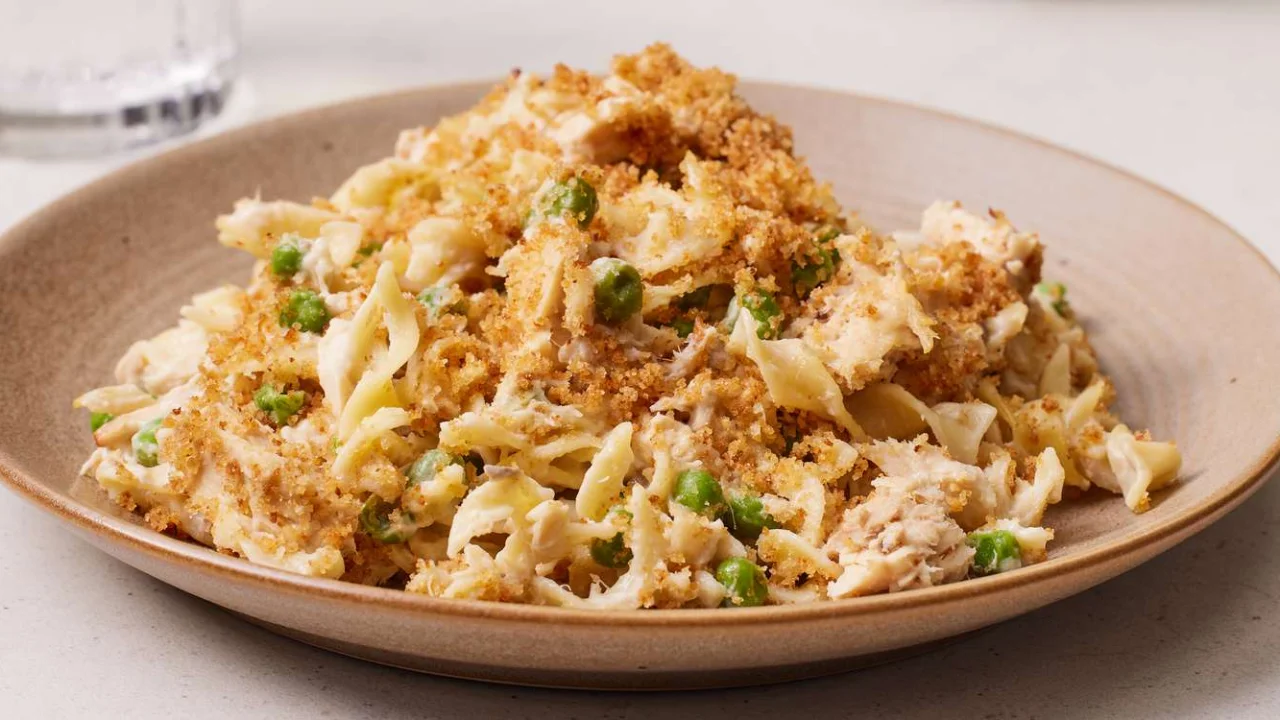
That night, I made one of the most satisfying meals I’d had all week using nothing but pantry staples. And the best part? It cost me less than three dollars to feed my family of four.

Why Pantry Dinners Are Your Secret Weapon
Pantry dinners aren’t just about saving money—they’re about smart cooking. These meals rely on ingredients that have serious staying power, meaning you’re always prepared to whip up something delicious without running to the store.
“The beauty of cooking from your pantry is that you’re working with ingredients that are designed to last,” says culinary instructor Maria Santos. “These are foods that our grandparents relied on, and they knew how to make magic happen with simple, shelf-stable ingredients.”

When you master the art of pantry cooking, you’re never more than 30 minutes away from a satisfying dinner. Plus, you’ll dramatically cut your grocery spending and reduce food waste since pantry staples don’t spoil as quickly as fresh ingredients.
The secret is building your meals around protein-rich legumes, filling grains, and flavor-packed canned goods. These ingredients form the backbone of countless cuisines around the world, proving that simple doesn’t mean boring.

Essential Ingredients That Create Dinner Magic
Before we dive into specific pantry dinners, let’s talk about the ingredients that make it all possible. You probably have most of these already, and anything missing is easy to pick up on your next grocery run.
| Category | Must-Have Items | Why They’re Essential |
|---|---|---|
| Proteins | Canned beans, lentils, canned tuna, eggs | Provide substance and nutrition without refrigeration |
| Grains | Rice, pasta, quinoa, oats | Create filling base for any meal |
| Flavor Builders | Onions, garlic, canned tomatoes, broth | Transform simple ingredients into complex flavors |
| Seasonings | Salt, pepper, cumin, oregano, paprika | Make the difference between bland and brilliant |
The real game-changer is understanding how these ingredients work together. Take dried lentils, for example—they don’t need soaking and cook in just 20 minutes. Combine them with some sautéed onions, garlic, and canned tomatoes, and you’ve got the foundation for everything from hearty soups to protein-packed pasta sauces.

Here are some winning combinations that never fail:
- Rice + canned beans + salsa = instant burrito bowls
- Pasta + canned tuna + olive oil + garlic = classic Italian comfort
- Lentils + curry powder + coconut milk = exotic dal
- Potatoes + eggs + cheese = satisfying frittata
- Oats + vegetables + broth = savory breakfast-for-dinner
“The biggest mistake people make is thinking pantry cooking has to be complicated,” notes chef David Chen, who teaches budget cooking classes. “Some of the world’s most beloved dishes started as peasant food made from whatever was on hand.”
Real Impact on Your Budget and Lifestyle
Let’s talk numbers for a moment. The average American family spends about $7,700 per year on groceries. If you replace just one store-bought dinner per week with a pantry meal, you could save upwards of $500 annually. That’s a vacation, an emergency fund, or just breathing room in your monthly budget.
But the benefits go beyond dollars and cents. Pantry cooking teaches you to be creative with limitations, which is actually incredibly freeing. Instead of staring at endless grocery store aisles wondering what to make, you work with what you have and discover new flavor combinations.
Families who regularly cook pantry dinners report feeling more confident in the kitchen and less stressed about meal planning. When you know you can always pull together a satisfying meal from shelf-stable ingredients, that Sunday night panic about the week ahead disappears.
“My kids actually prefer our pantry pasta nights to takeout now,” shares working mom Jennifer Torres. “There’s something comforting about these simple, hearty meals that fancy restaurant food just can’t match.”
These meals also tend to be naturally healthier than their processed counterparts. When you’re cooking with whole grains, legumes, and vegetables, you’re getting plenty of fiber, protein, and nutrients without the excess sodium and preservatives found in many convenience foods.
The environmental impact matters too. Pantry staples generally require less packaging and transportation than fresh ingredients, and they last longer, reducing food waste. Every can of beans you use instead of letting spoil is a win for both your wallet and the planet.
Perhaps most importantly, mastering pantry dinners gives you food security. In uncertain times—whether it’s a personal financial hiccup or a broader economic downturn—knowing you can feed your family well with simple, affordable ingredients provides genuine peace of mind.
FAQs
How long do pantry staples actually last?
Most dried goods like rice, pasta, and lentils stay good for 2-3 years when stored properly in cool, dry places.
Can pantry dinners be healthy and satisfying?
Absolutely! Beans, lentils, and whole grains provide excellent protein and fiber, often more nutritious than processed convenience foods.
What’s the best way to add flavor to simple pantry ingredients?
Start with sautéed onions and garlic as your base, then build layers with spices, herbs, and acidic ingredients like canned tomatoes or vinegar.
How much money can I really save with pantry cooking?
Most pantry dinners cost $2-4 to feed a family of four, compared to $15-25 for takeout or $8-12 for convenience foods.
Do I need special cooking skills for pantry meals?
Not at all! If you can boil water and sauté onions, you can master most pantry dinners. They’re actually more forgiving than fresh ingredient meals.
What should I always keep stocked for emergency meals?
Focus on canned beans, rice or pasta, canned tomatoes, onions, garlic, olive oil, and basic spices like cumin and oregano.
About the Author