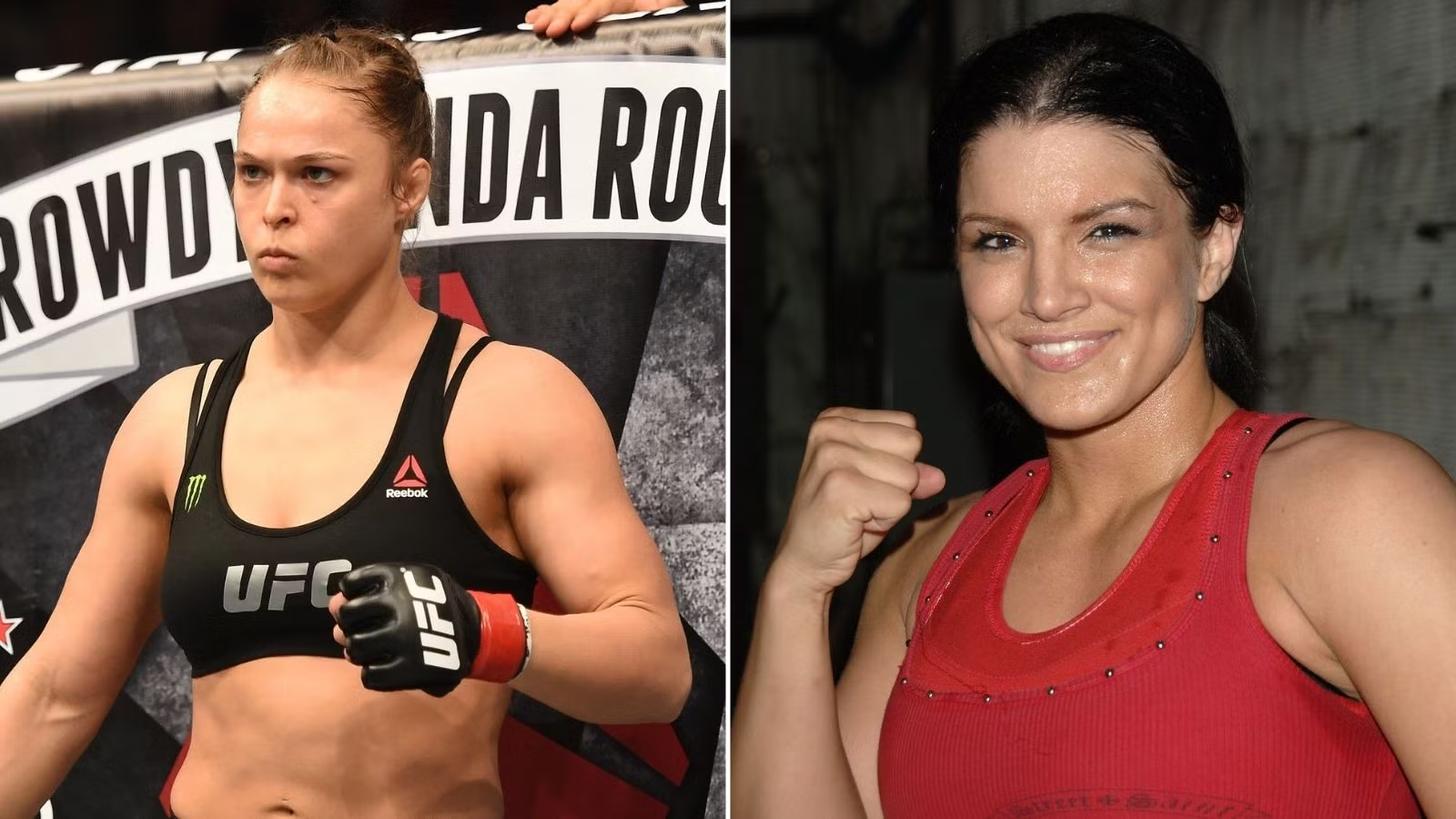
The mixed martial arts community has been buzzing with excitement following recent speculation about potential returns from two of the sport’s most iconic female fighters. Ronda Rousey and Gina Carano, both pioneers who helped establish women’s MMA as a mainstream attraction, have become the subject of intense discussion regarding possible comebacks to professional competition.

| Key Takeaways |
|---|
| Legacy Impact: Both fighters were instrumental in popularizing women’s MMA |
| Career Status: Both have been retired from active competition for several years |
| Industry Interest: High fan demand for potential matchup or individual returns |
| Challenges: Age, time away from competition, and evolving sport present obstacles |
| Financial Potential: Any return would likely generate significant pay-per-view interest |
The Pioneers of Women’s MMA
Ronda Rousey and Gina Carano represent two distinct eras in the evolution of women’s mixed martial arts, yet their paths have remained intertwined in the sport’s history. Carano, often credited as one of the first mainstream female MMA stars, helped bring legitimacy and visibility to women’s fighting during the sport’s early development years. Her striking background and television presence made her a crossover star who attracted audiences beyond traditional MMA demographics.
Rousey, meanwhile, built upon the foundation that fighters like Carano established, becoming the UFC’s first women’s bantamweight champion and arguably the most recognizable female athlete in combat sports history. Her dominant run through the division, characterized by her signature armbar submissions, brought unprecedented attention to women’s MMA and helped establish the UFC’s women’s divisions as permanent fixtures.
The two fighters represent different generations and fighting styles, with Carano known for her striking prowess and television-friendly personality, while Rousey revolutionized the sport with her Olympic judo background and finishing ability. Despite competing in different weight classes and eras, both fighters share the distinction of transcending their sport to become mainstream celebrities.
Current Status and Recent Developments
Both fighters have been away from active competition for extended periods, pursuing various entertainment and business ventures. Rousey’s last professional MMA bout marked the end of an era, while Carano stepped away from fighting to focus on acting and other projects. Their absence from the octagon has only intensified fan interest in potential returns, with social media campaigns and fan speculation keeping their names in MMA discussions.

The modern MMA landscape has evolved significantly since both fighters were active competitors. The women’s divisions have become deeper and more competitive, with new champions and contenders emerging who represent the next generation of female fighters. This evolution raises questions about how former champions would fare against current competition and whether the sport has passed them by.
Recent industry discussions have centered around the potential for exhibition matches, special events, or comeback fights that could capitalize on the nostalgia and drawing power of both fighters. The success of similar ventures in boxing and other combat sports has demonstrated that there remains significant commercial interest in seeing legendary fighters return to competition, even after extended absences.

The Business Case for Returns
From a promotional standpoint, the return of either Rousey or Carano would represent a significant opportunity for major MMA organizations. Both fighters possess name recognition that extends far beyond traditional MMA audiences, potentially attracting casual fans and mainstream media attention that could translate into substantial pay-per-view buys and gate receipts.
The financial considerations extend beyond immediate fight purses, as successful returns could lead to merchandising opportunities, sponsorship deals, and increased visibility for women’s MMA overall. The crossover appeal of both fighters could help introduce new audiences to the current crop of female fighters and champions, creating a rising tide effect for the entire women’s division.

However, the business case must be weighed against practical considerations including training time, physical conditioning, and competitive readiness. Both fighters would need significant preparation time to return to fighting form, and there would be questions about appropriate matchmaking that balances competitive integrity with entertainment value.
Challenges and Obstacles
Any potential return faces numerous challenges that go beyond simple physical preparation. The competitive landscape in women’s MMA has evolved dramatically, with fighters who have dedicated their entire careers to mixed martial arts now populating the upper echelons of every division. The technical proficiency and athletic ability of current competitors represents a significant step up from earlier eras of the sport.
Age and time away from competition present additional hurdles. Combat sports are physically demanding, and extended breaks from training and competition can have lasting effects on reflexes, conditioning, and timing. The accumulated wear and tear from previous careers, combined with the natural aging process, would need to be carefully considered in any comeback planning.
Medical clearances and athletic commission approvals would also be necessary, as regulatory bodies have become increasingly stringent about fighter safety and medical requirements. Both fighters would need to demonstrate that they are physically and mentally prepared for the demands of professional competition.
Impact on Women’s MMA
The potential return of either fighter could have significant implications for the broader landscape of women’s MMA. Their presence could bring increased attention and legitimacy to current divisions, potentially leading to better pay and opportunities for active fighters. The mainstream media attention that would accompany any return could help elevate the profiles of current champions and contenders.
However, there are also concerns about whether focusing on past stars might overshadow the current generation of fighters who have worked to build their own legacies. The balance between nostalgia and progress represents an ongoing challenge for combat sports promotions seeking to honor their history while building their future.
The influence of both fighters on current competitors cannot be understated. Many of today’s top female fighters cite Rousey and Carano as inspirations who helped prove that women could be successful in MMA. Their potential returns could serve as validation for the current generation while also providing opportunities for dream matchups between different eras of fighters.
Fan and Industry Reaction
The MMA community has shown considerable interest in the possibility of either fighter returning to competition. Social media discussions regularly feature speculation about potential opponents, likely outcomes, and the impact such returns might have on their respective divisions. Fan-created matchup scenarios and dream fights continue to generate engagement and discussion across various platforms.
Industry insiders have expressed mixed opinions about potential returns, with some viewing them as positive developments that could bring increased attention and revenue to women’s MMA, while others worry about the competitive implications and whether comebacks after extended layoffs serve the sport’s best interests.
Current fighters have generally been supportive of the idea, recognizing the role that both Rousey and Carano played in creating opportunities for the current generation. Many have expressed interest in potentially sharing cards with returning legends or even competing against them if the circumstances were appropriate.
Frequently Asked Questions
Q: How long have Ronda Rousey and Gina Carano been retired from MMA?
A: Both fighters have been away from active MMA competition for several years, pursuing careers in entertainment, business, and other ventures outside of professional fighting.
Q: What made these fighters so significant to women’s MMA?
A: Carano was one of the first female fighters to achieve mainstream recognition and helped establish women’s MMA as a viable entertainment product. Rousey became the UFC’s first women’s bantamweight champion and brought unprecedented mainstream attention to women’s fighting through her dominant performances and crossover appeal.
Q: Would they be competitive against current fighters?
A: This remains a subject of debate. While both were dominant in their respective eras, the level of competition and technical proficiency in women’s MMA has evolved significantly. Their success would likely depend on their ability to adapt to the modern game and their physical condition after extended layoffs.
Q: What weight classes would they compete in?
A: Historically, they competed in different divisions, with specific weight classes depending on their physical condition and the strategic decisions made by their teams regarding optimal competitive opportunities.
Q: How likely are these returns to actually happen?
A: While there has been speculation and fan interest, no official announcements have been made regarding definitive return plans. The likelihood would depend on numerous factors including personal motivation, physical readiness, and promotional opportunities.
Conclusion
The speculation surrounding potential returns from Ronda Rousey and Gina Carano reflects the lasting impact both fighters had on mixed martial arts and their continued relevance in the sport’s cultural consciousness. While numerous challenges would need to be overcome for either fighter to return to active competition, their legacies as pioneers who helped establish women’s MMA as a mainstream attraction remain secure regardless of future fighting plans. Whether these discussions lead to actual comebacks or simply serve to celebrate their contributions to the sport, the ongoing interest in both fighters demonstrates the enduring appeal of athletes who transcended their sport to become cultural icons. The possibility of their returns continues to generate excitement and debate within the MMA community, highlighting how their influence extends far beyond their active fighting careers.
About the Author