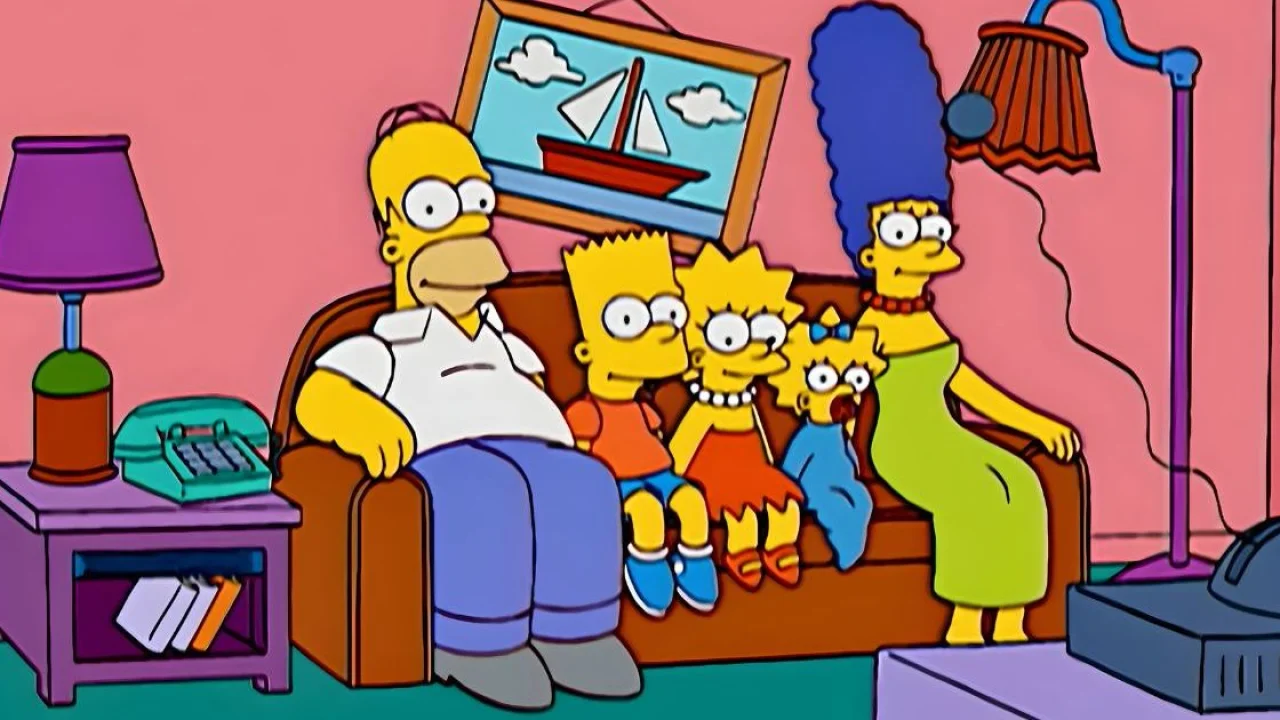
Picture this: a parent sits down with their seven-year-old to watch The Simpsons, just like they did decades ago with their own parents. The familiar “Don’t have a cow, man!” rings out from the TV, and for a moment, three generations share the same laugh. But what happens when that iconic voice comes from a computer instead of Nancy Cartwright’s vocal cords?
This isn’t just nostalgia talking. It’s about the soul of performance, the irreplaceable human touch that makes Bart Simpson more than just animated drawings on screen. When artificial intelligence can mimic voices with startling accuracy, we’re forced to ask: what do we lose when we replace the artist with the algorithm?
Nancy Cartwright knows this question intimately. She’s been Bart Simpson for over 35 years, and she’s not ready to hand over the microphone to a machine.
The Heart Behind the Voice
At The Simpsons’ 800th episode celebration in Hollywood, Cartwright made her position crystal clear about Simpsons AI voice acting. While she acknowledges that artificial intelligence could technically replicate her performance, she believes something fundamental would be missing.
“I think I would choose a successor [instead of AI], and I’ll tell you why — because AI has no heart, and I think that’s a missing ingredient,” Cartwright explained to reporters. Her reasoning goes deeper than professional pride. “AI might sound pretty close to Nancy Cartwright, but I got passion. We’re spiritual beings, we can emote passion and uplift people and stuff. And I don’t know that a computer can do something like that.”
This perspective reflects a growing concern in the entertainment industry. Voice actors aren’t just reading lines – they’re channeling emotions, creating spontaneous moments, and building connections with audiences across generations.
“Every time I step into the recording booth, I’m not just performing Bart’s lines. I’m bringing three decades of understanding this character to life,” says a veteran voice actor who has worked on multiple animated series. “An AI might nail the technical aspects, but it can’t improvise with the same intuition.”

What Makes Voice Acting Irreplaceable
The debate around Simpsons AI voice acting highlights several crucial elements that distinguish human performers from their digital counterparts:
- Emotional nuance: Human actors bring subtle variations in tone that reflect genuine feelings
- Improvisation ability: Voice actors often contribute ad-libs and spontaneous reactions that enhance scenes
- Character evolution: Performers naturally grow with their characters over time
- Collaborative creativity: Human actors interact with directors and fellow cast members in real-time
- Cultural sensitivity: Human judgment helps navigate complex social and cultural themes
The technical capabilities of AI voice synthesis have advanced dramatically in recent years. Current technology can clone voices with remarkable accuracy, requiring only minutes of audio samples to produce convincing replications. However, the question isn’t whether AI can mimic the sound – it’s whether it can capture the essence.
| Aspect | Human Voice Actor | AI Voice Synthesis |
|---|---|---|
| Emotional Range | Natural, intuitive variations | Programmed responses |
| Improvisation | Spontaneous and contextual | Limited to training data |
| Character Development | Organic evolution over time | Static unless reprogrammed |
| Production Flexibility | Real-time direction changes | Requires new processing |
| Cost Efficiency | Higher long-term costs | Lower after initial setup |
The Ripple Effects Across Animation
Cartwright’s stance on AI replacement reflects broader implications for the animation industry. The Simpsons has become a cultural institution, with voice actors who have shaped characters for decades. The show’s longevity depends partly on the consistency and growth that human performers provide.
Other long-running animated series face similar questions. Family Guy, South Park, and Rick and Morty all rely on distinctive voice work that has become inseparable from the characters themselves. The introduction of AI voice acting could fundamentally alter how these shows develop and maintain their identity.
“The magic of animation voice work isn’t just in the voice itself – it’s in the relationship between the actor and the character,” explains an animation industry insider. “Nancy Cartwright doesn’t just do Bart’s voice; she IS Bart in many ways. That relationship took decades to build.”
The economic implications extend beyond individual performers. Voice acting supports numerous professionals including agents, coaches, and studio technicians. A shift toward AI could reshape entire segments of the entertainment economy.
For fans, the change could be even more profound. The Simpsons has provided consistency across changing times, with familiar voices serving as cultural anchors. Replacing human performers with AI might preserve the sound but alter the fundamental connection between audience and show.
Looking Forward Without Losing the Past
Cartwright’s preference for choosing a human successor rather than embracing AI reflects a deeper understanding of what voice acting represents. She joined The Simpsons cast in 1987, originally planning to audition for Lisa but ultimately landing the role that would define her career.
This human element – the unexpected turns, the personal investment, the genuine surprise – cannot be easily replicated by algorithms. When Cartwright first voiced Bart’s catchphrases, she couldn’t have predicted they would become embedded in global pop culture. That organic development required human intuition and creativity.
“We’re not just providing a service,” notes another veteran voice actor. “We’re contributing to a living, breathing piece of entertainment that grows and changes with society. AI might maintain the status quo, but it won’t push creative boundaries the way human performers do.”
The conversation around Simpsons AI voice acting ultimately touches on larger questions about creativity, authenticity, and the value we place on human artistry. While technology continues advancing, Cartwright’s position suggests that some elements of entertainment may be worth preserving in their original, human form.
As The Simpsons celebrates its 800th episode, the show stands as a testament to the enduring power of human creativity. Whether future episodes will maintain that human touch or embrace technological alternatives remains an open question – one that will likely influence the direction of animated entertainment for years to come.
FAQs
Could AI really replace Nancy Cartwright as Bart Simpson?
Technically, yes – AI can now clone voices quite accurately. However, Cartwright argues that AI lacks the passion and heart that human performers bring to their roles.
How long has Nancy Cartwright voiced Bart Simpson?
Nancy Cartwright has been voicing Bart Simpson for over 35 years, starting when the show began in 1987.
What did Nancy Cartwright originally audition for on The Simpsons?
She originally planned to audition for the role of Lisa Simpson but ended up landing the part of Bart instead.
Why does Cartwright prefer a human successor over AI?
She believes AI lacks heart and passion, stating that humans are “spiritual beings” who can “emote passion and uplift people” in ways computers cannot.
Are other animated shows considering AI voice acting?
While no major animated series have publicly announced plans to replace human voice actors with AI, the technology’s advancement has sparked industry-wide discussions about its potential applications.
What makes voice acting different from just reading lines?
Voice actors bring emotional nuance, improvisation skills, character development over time, and collaborative creativity that goes far beyond simply reading scripted dialogue.
About the Author