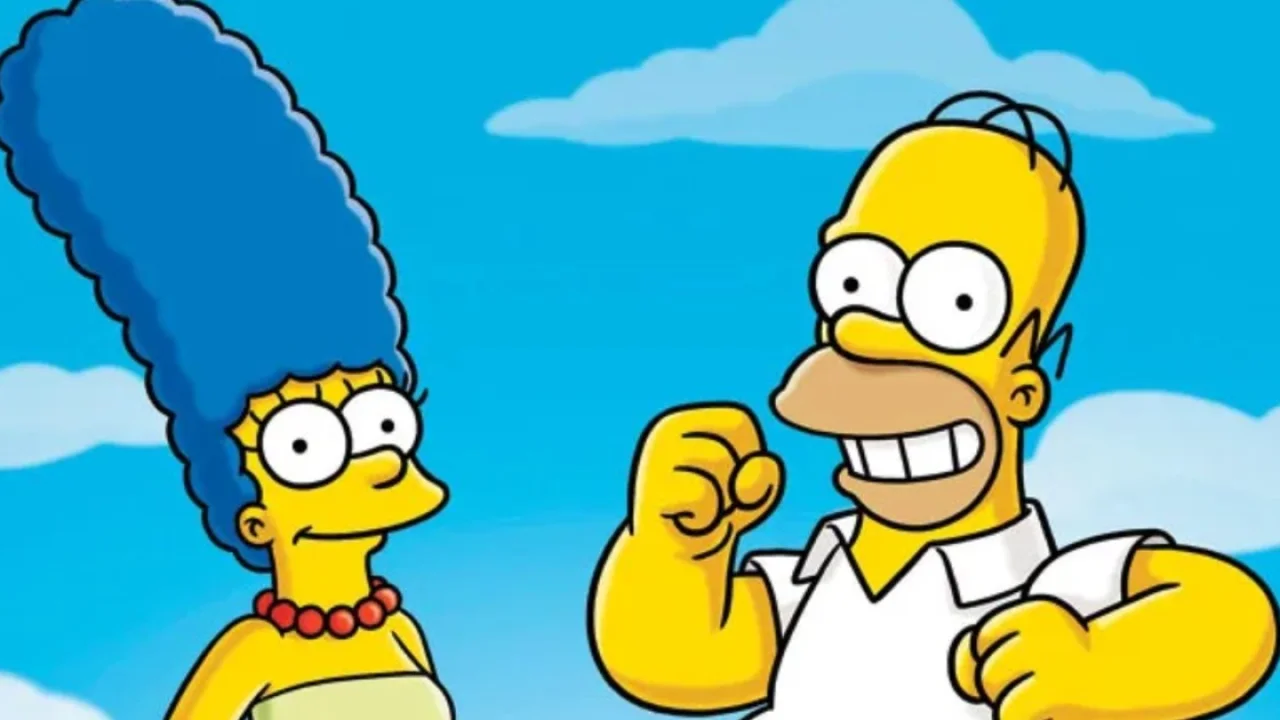
Picture this: You’re 8 years old, rushing home from school every Thursday at 8 PM to catch The Simpsons. Fast forward thirty-five years, and you’re now watching with your own kids, laughing at the same jokes that somehow feel fresh again. For millions of fans worldwide, The Simpsons isn’t just a TV show—it’s a constant companion that’s been there through childhood, college, career changes, marriages, and everything in between.

Now imagine if someone told you that this cultural institution would never get a proper goodbye. No tearful farewell episode, no “thanks for the memories” montage, no dramatic closure. According to showrunner Matt Selman, that’s exactly what fans should expect—or rather, not expect—when it comes to a Simpsons series finale.
The idea might sound shocking at first, but there’s a brilliant method to this madness that goes deeper than you might think.

Why Springfield Will Never Say Goodbye
Matt Selman, the longtime showrunner behind The Simpsons, recently dropped a bombshell that left fans both surprised and oddly relieved. Speaking candidly about the show’s future, he declared that The Simpsons will “never” have a traditional series finale, even when the show eventually ends.
“We did an episode about a year-and-a-half ago that was like a parody of the series finale,” Selman explained. “We jammed every possible series finale concept into one show, so that was sort of my way of saying we’re never going to do a series finale.”
This wasn’t just a throwaway comment. The showrunner has clearly thought this through, adding that if the show were to conclude, “there’s no finale, it would just be a regular episode that has the family in it. Probably a little Easter egg here and there, but no ‘I’m going to miss this place.'”
The reasoning behind this decision taps into something fundamental about what makes The Simpsons work. As Selman puts it, “The show isn’t supposed to change. The characters reset every week. It’s like Groundhog Day but they don’t know it—and they don’t die that much.”
The Numbers Behind Springfield’s Eternal Story
To understand why a Simpsons series finale doesn’t make sense, let’s look at the show’s incredible journey through the decades:
| Milestone | Date | Details |
|---|---|---|
| First Appearance | December 1989 | Shorts on The Tracey Ullman Show |
| Series Premiere | December 17, 1989 | “Simpsons Roasting on an Open Fire” |
| 500th Episode | February 2012 | “At Long Last Leave” |
| 700th Episode | March 2021 | “Manger Things” |
| 800th Episode | February 2026 | “Irrational Treasure” |
The show’s approach to storytelling has always been unique in the television landscape:
- Characters never age or fundamentally change
- Each episode exists in its own bubble while maintaining continuity
- Springfield operates on “cartoon physics” where consequences reset
- The Simpson family dynamic remains constant across decades
- Social commentary stays relevant by adapting to current events
This structure explains why traditional finale elements—character growth arcs, relationship resolutions, or major life changes—would feel completely out of place in The Simpsons universe.
What This Means for Fans and Pop Culture
The decision to avoid a Simpsons series finale isn’t just about creative integrity—it’s about preserving something precious in our cultural landscape. Think about it: in a world where everything has an expiration date, where streaming services cancel shows after two seasons, The Simpsons represents permanence.
“It’s actually quite beautiful when you think about it,” notes television critic Sarah Chen. “The Simpsons exists outside of time, just like childhood memories. You don’t want those to have an ending either.”
For fans, this approach offers both comfort and continuity. Instead of dreading an eventual goodbye, viewers can enjoy each episode knowing that Springfield will always be there, unchanged and unchanging.
The impact extends beyond just entertainment. The Simpsons has become a shared cultural reference point, with phrases like “D’oh!” entering everyday language and episodes predicting real-world events with eerie accuracy. A traditional finale would mark the end of this ongoing cultural conversation.
Media analyst Dr. Robert Martinez explains, “The Simpsons functions more like a living newspaper comic strip than a traditional TV series. You wouldn’t expect Garfield to have a series finale—it just continues being Garfield.”
This approach also makes financial sense for Fox and Disney. The Simpsons generates massive revenue through syndication, merchandise, and streaming rights. A finale would signal a definitive end to new content creation, potentially impacting the franchise’s long-term value.
For newer fans discovering the show through streaming platforms, the absence of a looming finale removes pressure to “catch up” before it’s too late. Instead, they can dive into Springfield’s 800+ episodes at their own pace, knowing the Simpson family will still be there when they’re ready for more.
The decision also reflects how television consumption has changed. Unlike the appointment viewing era when The Simpsons began, modern audiences often discover shows years after they aired. A series without a finite endpoint better serves this scattered viewing pattern.
Animation expert Lisa Rodriguez points out another crucial factor: “Animated characters don’t age out of their roles like live actors do. Homer can voice Homer Simpson forever if he chooses to. This gives animated series a unique advantage in longevity.”
Perhaps most importantly, avoiding a Simpsons series finale preserves the show’s greatest strength—its ability to comment on whatever’s happening in the world right now. Political changes, technological advances, social movements—The Simpsons can address them all without being locked into past storylines by a concluding narrative.
FAQs
Will The Simpsons ever actually end?
While Matt Selman says there won’t be a traditional finale, the show could theoretically end someday, but it would just stop with a regular episode rather than a farewell special.
What was the fake series finale episode Selman mentioned?
The episode parodied typical series finale tropes and concepts, essentially serving as the show’s way of saying they’ll never do a real finale.
How many seasons of The Simpsons are planned?
Fox has renewed the show through Season 36, but given its continued success, more seasons are likely as long as the creators want to continue.
Why don’t The Simpsons characters age?
The show uses a “floating timeline” where characters remain the same age while the world around them updates to reflect current times and technology.
Has any other long-running show taken this approach?
Most sitcoms and animated series eventually have finale episodes, making The Simpsons’ approach relatively unique among major television shows.
What happens if voice actors leave the show?
The show has occasionally recast minor characters but has generally kept its main voice cast intact, with most actors expressing commitment to continuing their roles.
About the Author