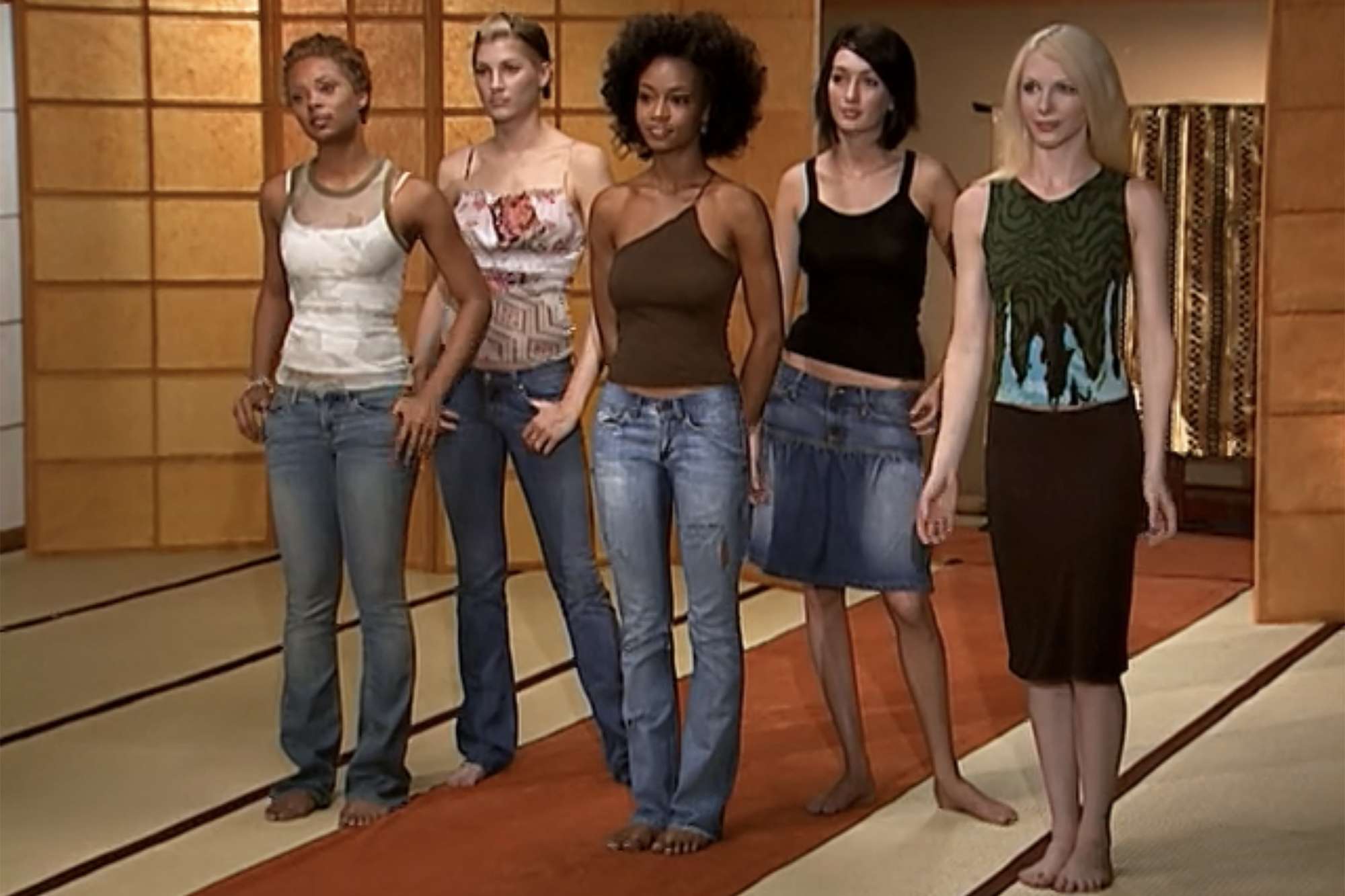
Sarah remembers watching America’s Next Top Model religiously every week with her college roommates. They’d gather around their tiny dorm TV, critiquing poses and rooting for their favorite contestants. “We thought Tyra was this amazing mentor figure,” Sarah recalls. “She seemed so supportive and empowering to these young women trying to make it in modeling.”
That nostalgic view has been completely shattered by a new documentary that pulls back the curtain on what really happened behind the scenes. For millions of viewers who grew up watching the show, the revelations are nothing short of devastating.
The documentary “Reality Check: Inside America’s Next Top Model” presents a damning portrait of the beloved reality competition that ran from 2003 to 2018. What emerges is a troubling picture of psychological manipulation, problematic behavior, and a workplace culture that prioritized drama over the wellbeing of young contestants.
What the Documentary Reveals About Tyra’s Leadership Style
The most shocking aspect of the exposé centers on Tyra Banks herself. Former contestants and crew members paint a picture of someone whose public persona as a nurturing mentor was drastically different from her behind-the-scenes behavior.
“Tyra had this ability to build you up one moment and completely tear you down the next,” explains former contestant Jessica Martinez, who appeared on Season 8. “It felt calculated, like she knew exactly which emotional buttons to push.”
The documentary reveals how America’s Next Top Model contestants were often subjected to extreme psychological pressure. Producers would deliberately create stressful situations, while Banks would use emotionally manipulative techniques during panel sessions that weren’t always shown on air.
Multiple former participants describe an environment where vulnerability was weaponized. Contestants were encouraged to share deeply personal stories about trauma, family issues, or insecurities, only to have that information used against them later in the competition.

Behind-the-Scenes Manipulation Tactics Exposed
The documentary methodically breaks down the various ways the show’s production manipulated both contestants and viewers. Here are the most disturbing revelations:
- Sleep deprivation: Contestants were regularly kept awake for 20+ hours during challenges and eliminations
- Food restrictions: Limited meal options and eating schedules were used to increase stress and emotional volatility
- Isolation tactics: Participants were cut off from family, friends, and outside support systems for months
- Scripted spontaneity: Many “candid” moments and emotional breakdowns were actually producer-directed
- Financial pressure: Contestants’ economic desperation was exploited to ensure compliance
“The show presented itself as empowering women, but the reality was the exact opposite,” says Dr. Patricia Coleman, a media psychologist who appears in the documentary. “These were young, impressionable people being subjected to psychological manipulation for entertainment.”
| Problematic Practice | Frequency | Impact on Contestants |
|---|---|---|
| Public humiliation during panel | Nearly every episode | Long-term self-esteem issues |
| Extreme makeover pressure | Multiple times per season | Body dysmorphia and identity confusion |
| Forced conflicts between contestants | Weekly | Trust issues and social anxiety |
| Withholding basic necessities | Throughout filming | Physical and mental exhaustion |
The documentary also exposes how the show’s famous panel critiques were often based more on creating dramatic television than providing genuine modeling advice. Former judge André Leon Talley reveals that judges were sometimes instructed to be harsher than they naturally would be.
The Real Cost of Reality TV Fame
Perhaps the most heartbreaking sections of the documentary focus on what happened to contestants after the cameras stopped rolling. Many participants struggle with lasting psychological effects from their America’s Next Top Model experience.
Former contestant Rachel Kim speaks candidly about developing an eating disorder after being told she was “too curvy” on national television. “I was a healthy 19-year-old before the show,” she explains. “The constant criticism about my body completely warped my relationship with food and exercise.”
The documentary tracks down dozens of former contestants, revealing a troubling pattern of mental health struggles, career setbacks, and damaged self-worth. Very few participants actually achieved successful modeling careers, despite the show’s promises.
Even winners of America’s Next Top Model often found that their prizes – modeling contracts and magazine covers – were far less valuable than advertised. Several winners describe feeling exploited and discarded once their season aired.
“The modeling industry had already moved on by the time we finished filming,” explains Season 12 winner Teyona Anderson. “The whole premise that this show was a launching pad for real careers was largely a myth.”
Mental health professionals interviewed for the documentary express serious concerns about the long-term effects of reality TV participation on young people. Dr. Sarah Thompson, who specializes in media trauma, notes that many former contestants display symptoms similar to those experienced by abuse survivors.
The exposé also examines how the show’s treatment of contestants reflected broader issues within the fashion and entertainment industries. The normalization of extreme criticism, unrealistic body standards, and psychological pressure mirrors toxic workplace cultures that extend far beyond reality television.
“America’s Next Top Model didn’t create these problems, but it certainly amplified and celebrated them,” observes industry veteran Marcus Johnson, who worked as a casting director during the show’s peak years.
Banks has yet to respond publicly to the documentary’s allegations. Her representatives declined to comment when contacted by filmmakers, and she has not addressed the accusations on her social media platforms.
The documentary raises important questions about our collective responsibility as viewers and consumers of reality television. Were audiences complicit in the exploitation by tuning in every week? How much did we really know about what was happening behind the scenes?
For many former fans like Sarah, the revelations have completely changed how they view not just America’s Next Top Model, but reality television as a whole. “I can’t watch those old episodes the same way,” she admits. “Knowing what those young women were really going through makes it impossible to enjoy.”
FAQs
How long did America’s Next Top Model run?
The show aired from 2003 to 2018, spanning 24 seasons and launching numerous international versions.
Did any contestants actually become successful models after the show?
Very few contestants achieved major modeling careers, despite the show’s promises of industry connections and opportunities.
Has Tyra Banks responded to these allegations?
Banks has not publicly addressed the documentary’s claims, and her representatives declined to comment to filmmakers.
Were contestants paid for appearing on America’s Next Top Model?
Most contestants received minimal compensation, with many reporting they actually lost money due to lost wages and expenses during filming.
What psychological support was provided to contestants during and after filming?
The documentary reveals that very little mental health support was offered, with many participants left to deal with trauma on their own.
Are there legal consequences for the show’s treatment of contestants?
While no major lawsuits have been successful, the documentary has reignited discussions about labor protections for reality TV participants.
About the Author