Picture this: you’re sitting in a movie theater, watching what looks like a big-budget Hollywood film. The cinematography is stunning, the performances feel real, and the story pulls you in completely. But here’s the twist—most of what you’re seeing was created by artificial intelligence.
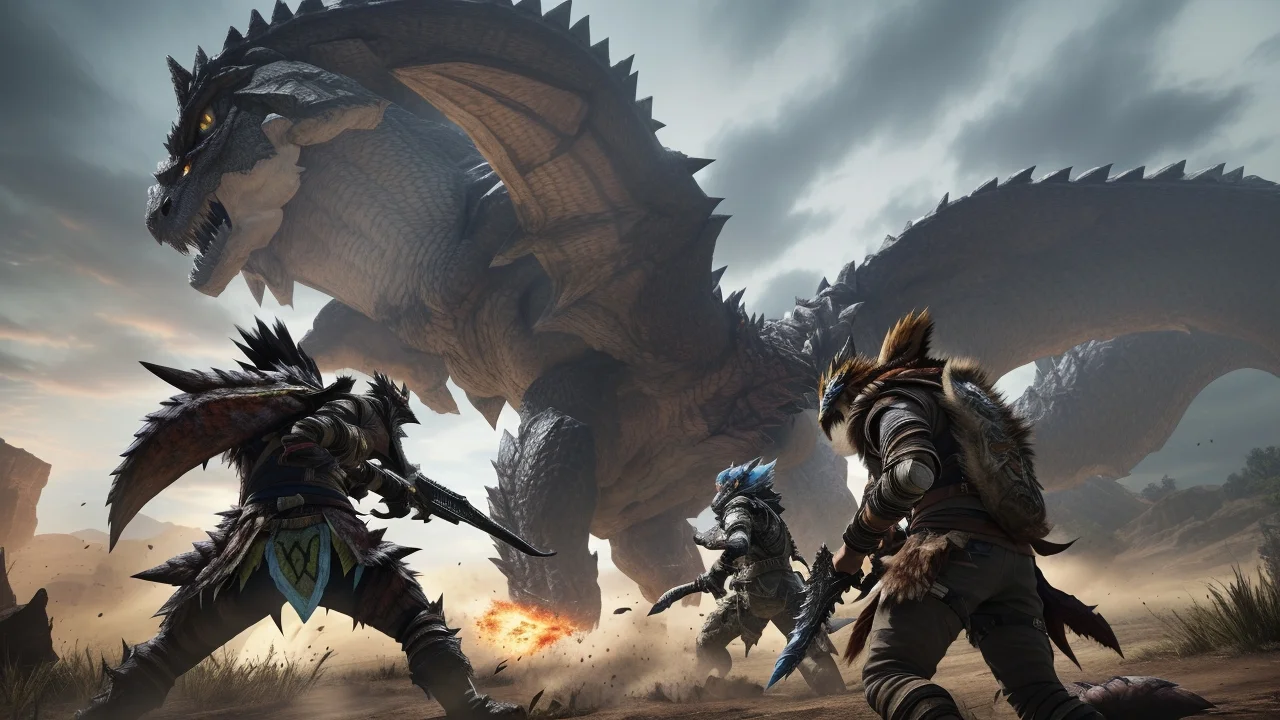
This isn’t some distant sci-fi fantasy anymore. It’s happening right now, thanks to an Oscar-winning filmmaker who’s betting everything on AI technology to revolutionize how movies get made.
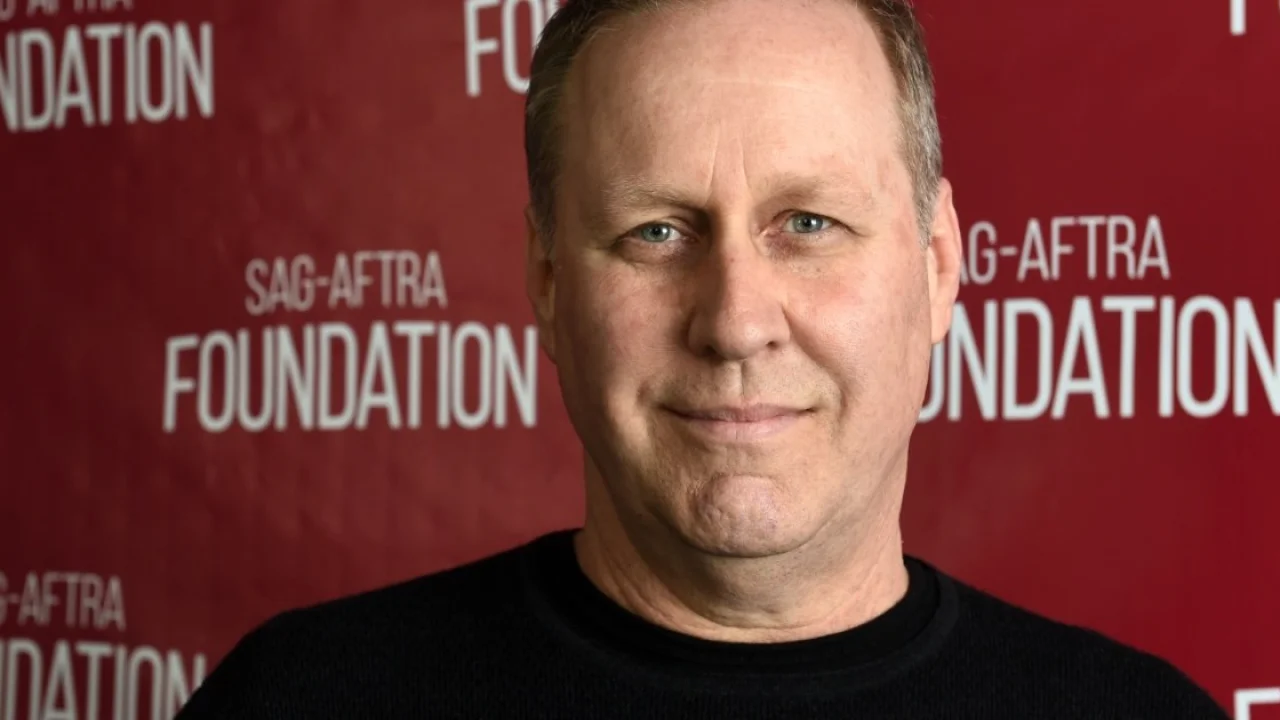
Roger Avary, the man who co-wrote “Pulp Fiction” with Quentin Tarantino and took home an Academy Award for it, has just secured funding for three groundbreaking AI movies. His Texas-based production company, General Cinema Dynamics, is pioneering what could be the biggest shift in filmmaking since the transition from silent films to talkies.
The Oscar Winner’s Bold AI Gamble
Avary’s journey into AI movies started from pure frustration. After years of struggling to get traditional film projects greenlit, he discovered something remarkable: mention AI to investors, and suddenly everyone wants to listen.
“I go out there and try to get stuff made, and it’s almost impossible,” Avary explained during his recent appearance on The Joe Rogan Experience. “And then I built a technology company over the last year, basically making AI movies, and all of a sudden, boom, like that, money gets thrown at it.”

The filmmaker’s candid admission reveals something fascinating about today’s entertainment landscape. While traditional movie financing remains notoriously difficult, AI-powered projects are attracting serious investment dollars. Within just one year of launching his AI production banner, Avary secured funding for not one, but three feature-length films.
“All of a sudden, just by attaching the word AI and [the fact] that it’s a technology-based company, all of a sudden, investors came in, and we’re in production on three films now,” he continued.
What Makes These AI Movies Different
These aren’t just regular movies with some AI assistance in post-production. Avary’s approach represents a fundamental reimagining of how films can be created from the ground up. His company is working to bring full-length AI productions to theaters, pushing the boundaries of what artificial intelligence can achieve in storytelling.
The three AI movies currently in development showcase different aspects of this new technology:

- Advanced Character Generation: AI creates realistic human performances without traditional actors
- Dynamic Scene Creation: Entire environments and settings generated through machine learning
- Intelligent Editing: AI systems that can cut and pace scenes based on emotional impact data
- Real-time Adaptation: Scripts that can be modified and visualized instantly during production
| Traditional Filmmaking | AI Movie Production |
|---|---|
| Months of pre-production planning | Rapid prototyping and iteration |
| Large cast and crew requirements | Minimal human resources needed |
| Fixed shooting schedules | Flexible production timelines |
| High location and equipment costs | Dramatically reduced overhead |
| Limited post-production changes | Extensive modification capabilities |
Industry Experts Weigh In on the AI Revolution
The film industry is watching Avary’s experiment with a mixture of excitement and apprehension. Some see it as the natural evolution of moviemaking, while others worry about the implications for human creativity and employment.
“What Roger is doing represents either the future of cinema or its death sentence, depending on your perspective,” says digital media analyst Sarah Chen. “The technology is impressive, but we’re still figuring out what it means for storytelling as an art form.”
The financial implications are staggering. Traditional Hollywood blockbusters can cost upwards of $200 million to produce, while AI movies might achieve similar visual quality for a fraction of that budget. This democratization of high-end filmmaking could open doors for countless independent creators who previously couldn’t compete with major studios.
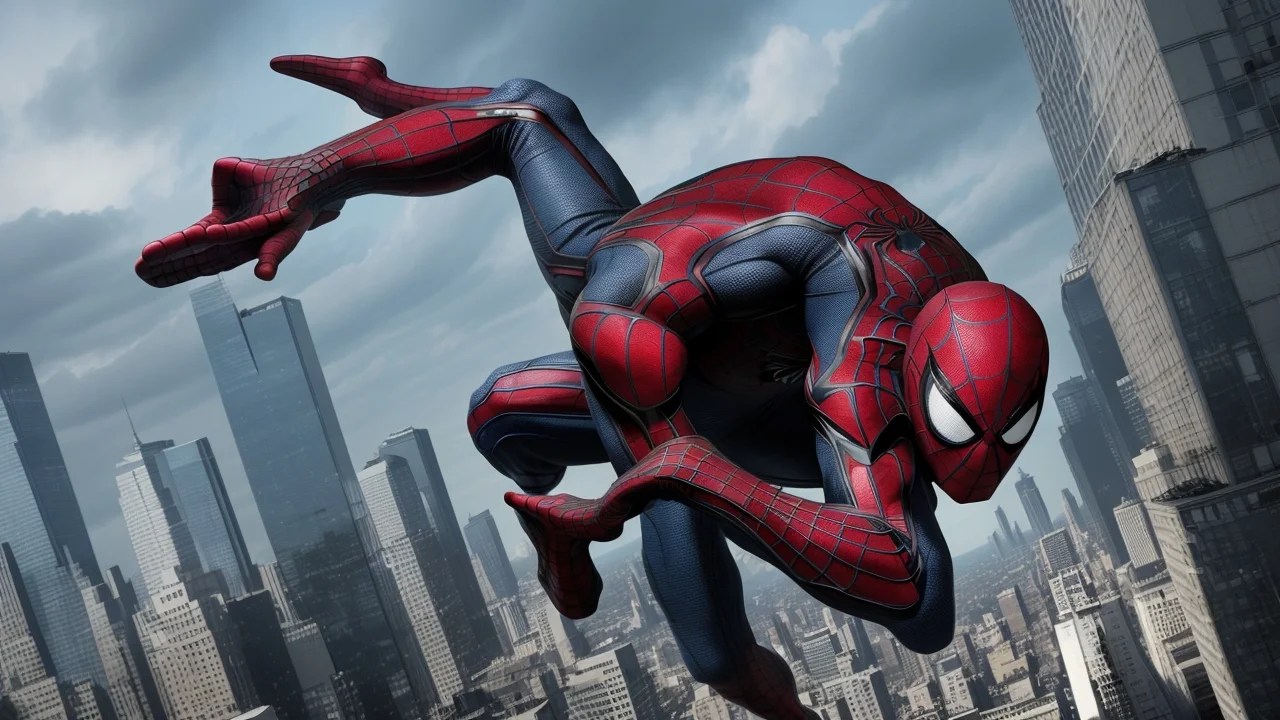
“The barriers to entry are collapsing,” explains entertainment technology researcher Dr. Michael Rodriguez. “A small team with the right AI tools could potentially create something that rivals a Marvel movie in terms of spectacle.”
What This Means for Movie Lovers and Creators
For audiences, these AI movies could herald an era of unprecedented variety and creativity in cinema. Without the constraints of traditional production limitations, filmmakers might explore stories and visual concepts that were previously impossible or prohibitively expensive.
The implications extend far beyond just cost savings. AI movies could enable:
- Personalized viewing experiences tailored to individual preferences
- Interactive storylines that respond to audience reactions
- Revival of deceased actors for new performances
- Translation and localization that goes beyond subtitles
- Rapid production of sequels and spin-offs
However, the rise of AI movies also raises important questions about authenticity and human artistry. Critics argue that while the technology might produce visually impressive results, it lacks the soul and genuine emotion that comes from human creativity and collaboration.
“There’s something irreplaceable about the human element in filmmaking,” notes veteran film critic James Patterson. “The question isn’t whether AI can make movies, but whether those movies will move us in the same way that human stories do.”
The Road Ahead for AI Cinema
Avary’s three AI movies are just the beginning. His company, General Cinema Dynamics, is positioning itself at the forefront of a technological revolution that could reshape the entire entertainment industry. The success or failure of these projects will likely determine how quickly other filmmakers and studios embrace similar approaches.
The timing couldn’t be more crucial. As streaming platforms demand ever-increasing amounts of content and production costs continue to soar, AI movies offer a potential solution to Hollywood’s scalability challenges. Major studios are already experimenting with AI in various aspects of production, from script analysis to visual effects.
“We’re at a tipping point,” explains industry consultant Maria Gonzalez. “The next five years will determine whether AI becomes a tool that enhances human creativity or a replacement for it entirely.”
For aspiring filmmakers, Avary’s success story offers both inspiration and a roadmap. His journey from frustrated screenwriter to AI pioneer demonstrates that sometimes the biggest opportunities come from embracing radical change rather than fighting against it.
FAQs
How long does it take to produce an AI movie compared to a traditional film?
AI movies can be produced significantly faster, potentially cutting production time from years to months, though the exact timeline depends on the complexity of the project.
Will AI movies replace human actors and filmmakers?
While AI can generate performances and visuals, human creativity in storytelling, direction, and artistic vision remains crucial for compelling cinema.
Are AI movies cheaper to make than traditional films?
Yes, AI movies can dramatically reduce production costs by eliminating expenses for large cast and crew, locations, and extensive post-production work.
When will Roger Avary’s AI movies be released?
Specific release dates haven’t been announced, but all three films are currently in active production through his company General Cinema Dynamics.
Can audiences tell the difference between AI-generated and traditional movie content?
As AI technology improves rapidly, the visual differences are becoming increasingly difficult to detect, though the emotional resonance may vary.
What genres work best for AI movies?
Currently, science fiction and fantasy genres showcase AI capabilities most effectively, though the technology is expanding to handle various storytelling styles.
About the Author