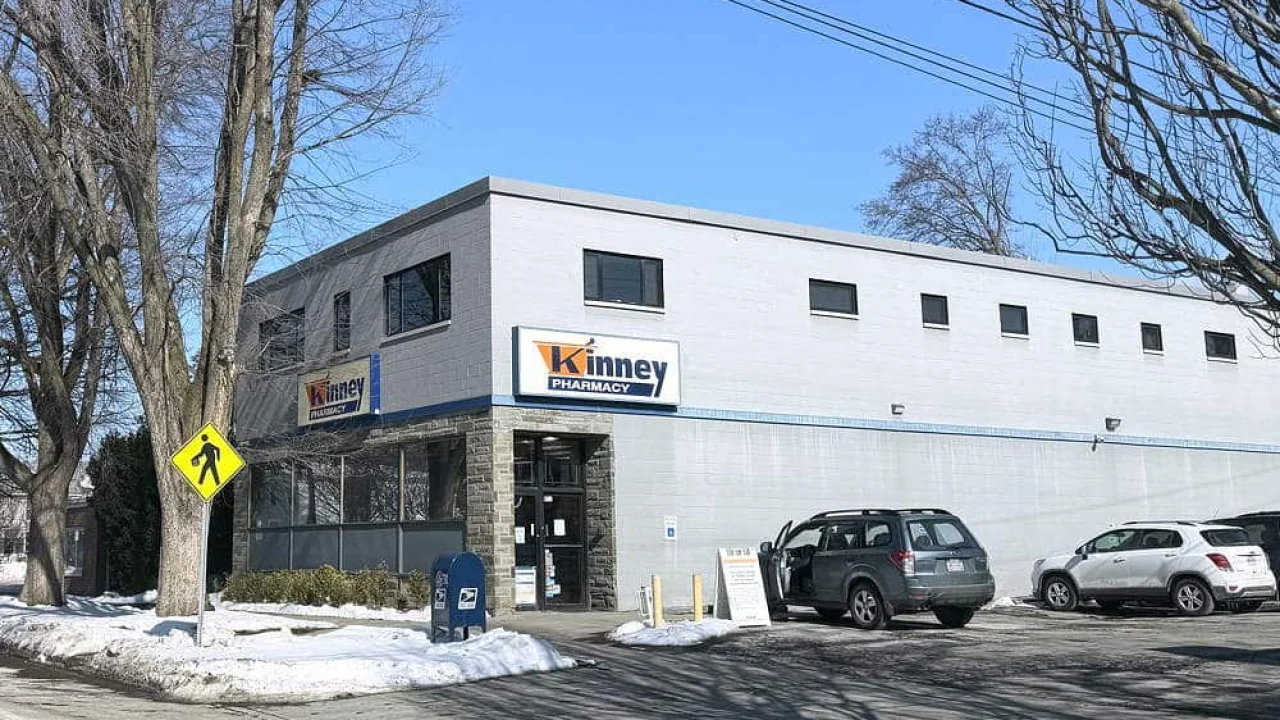
Martha Rodriguez has walked the same route every Tuesday morning for the past twelve years. From her apartment on Fall Creek Drive, she strolls down North Cayuga Street to pick up her heart medication, chat with the pharmacist about her grandchildren, and grab a few household items. It’s become more than just an errand—it’s a piece of her weekly routine that connects her to her neighborhood.
Next month, that familiar walk will lead to an empty storefront. The Kinney Drugs closure on North Cayuga Street means Martha, like hundreds of other Ithaca residents, will need to find a new way to manage something as basic as picking up prescriptions.
“I don’t drive anymore,” Martha explains. “This pharmacy has been my lifeline to staying independent in my own home.”
The End of Nearly a Century of Community Service
The Kinney Drugs closure represents more than just another business shutting down. This North Cayuga Street location has served Ithaca residents for nearly 100 years, operating under various names since the 1920s. What started as Hill Drug Store, then became North Side Pharmacy, has been a constant presence through decades of neighborhood changes.
The employee-owned Kinney Drugs chain, which has roots dating back to 1903, acquired the local Hill Drug stores in 2005. For almost two decades, they’ve maintained the community pharmacy tradition that made this corner a gathering place for neighbors.

But rising costs have made the location financially impossible to maintain. Company leaders cite a combination of factors that created the perfect storm for this Kinney Drugs closure: a significant lease increase, limited retail space that restricts revenue opportunities, and the ongoing challenge of shrinking pharmacy profit margins that plague independent pharmacies nationwide.
“The economics just don’t work anymore,” explains a company representative familiar with the decision. “We’ve tried to make it sustainable, but the numbers tell a clear story.”

What This Kinney Drugs Closure Means for Your Daily Life
The practical impact of this pharmacy closure extends far beyond inconvenience. For many residents, especially those in the Northside and Fall Creek neighborhoods, this location provided walkable access to essential medications and health services.
Here’s what changes for local residents:

- All prescriptions will transfer to the Triphammer Marketplace location in Lansing
- Current staff members are being relocated to the remaining store
- The March 5 closure date gives customers about three weeks to make alternative arrangements
- Downtown Ithaca loses its only walkable pharmacy option for many neighborhoods
- Elderly and disabled residents face transportation challenges for prescription access
| Service | Current Location | After Closure |
|---|---|---|
| Prescription pickup | North Cayuga Street | Triphammer Marketplace, Lansing |
| Distance from downtown | Walkable | Requires transportation |
| Staff availability | Full service team | Relocated to Lansing location |
| Community pharmacy services | Available | Must travel to access |
The transition isn’t just about moving prescriptions from one location to another. It’s about fundamentally changing how an entire community accesses healthcare services.
“We’re not just losing a pharmacy,” notes local community advocate Sarah Chen. “We’re losing a piece of neighborhood infrastructure that people have depended on for generations.”
The Bigger Picture Behind Pharmacy Closures
This Kinney Drugs closure reflects broader challenges facing independent pharmacies across the country. Small neighborhood pharmacies are caught between rising operational costs and declining reimbursement rates from insurance companies.
The situation becomes particularly acute in locations with limited space for expanded retail offerings that might offset pharmacy losses. Unlike large chain pharmacies that can absorb losses at individual locations, employee-owned companies like Kinney Drugs must make each store financially viable.
The North Cayuga Street location faced unique challenges. The building’s layout restricted opportunities to expand retail space or add services that might have improved profitability. When the lease came up for renewal with a significant increase, the mathematics became impossible to ignore.
“Independent pharmacies are facing an existential crisis,” explains healthcare industry analyst Dr. Michael Torres. “The model that worked for decades is being squeezed from multiple directions.”
For residents who have grown accustomed to personal service and neighborhood familiarity, the loss feels particularly acute. Unlike large chains where customers might see different pharmacists each visit, neighborhood pharmacies build relationships that span years or even decades.
Finding Alternatives After the Kinney Drugs Closure
While Kinney Drugs will handle the prescription transfers to their Lansing location, many residents are exploring other options that might better serve their daily needs.
The closest alternatives include larger chain pharmacies in shopping centers, which require transportation for most downtown residents. Some are considering mail-order services for regular medications, though this eliminates the personal consultation aspect that many valued.
Local healthcare advocates are already discussing potential solutions, including mobile pharmacy services or partnerships with existing healthcare providers to offer prescription services closer to downtown neighborhoods.
“We’re looking at this as an opportunity to think creatively about healthcare access,” says Chen. “Maybe the traditional pharmacy model isn’t the only way to serve our community’s needs.”
The March 5 closure date gives the community time to adapt, but it also marks the end of an era for Ithaca’s Northside. The empty storefront will serve as a reminder of how economic pressures can reshape the basic infrastructure that communities rely on.
For Martha Rodriguez and hundreds of others, the next few weeks will be about more than just transferring prescriptions. They’ll be adjusting to a new reality where something as simple as picking up medication requires planning, transportation, and a fundamental change to routines that have defined their connection to their neighborhood.
FAQs
When will the North Cayuga Street Kinney Drugs close?
The store will close on March 5, 2026, ending nearly a century of pharmacy service at this location.
What happens to my prescriptions after the Kinney Drugs closure?
All prescriptions will automatically transfer to the Triphammer Marketplace Kinney Drugs location in Lansing, and staff will help coordinate the transition.
Why is Kinney Drugs closing this location?
The closure results from a combination of rising lease costs, limited retail space, and declining pharmacy profit margins that made the location financially unsustainable.
Are there other walkable pharmacies near downtown Ithaca?
The closure leaves the immediate downtown area without a walkable pharmacy option for many Northside and Fall Creek residents.
Will the employees lose their jobs?
Current staff members are being relocated to the Triphammer Marketplace location to continue serving customers there.
How long has this pharmacy been serving the community?
The location has operated as a neighborhood pharmacy since the 1920s, first as Hill Drug Store, then North Side Pharmacy, and most recently as Kinney Drugs since 2005.
About the Author