
Sarah stared at her laptop screen as the office clock hit 5:30 PM on Friday. Around her, colleagues were packing up with genuine smiles, talking about weekend plans and dinner reservations. But instead of relief, she felt her shoulders tighten. Her stomach twisted with an inexplicable anxiety that had nothing to do with Monday’s deadlines.

She’d been looking forward to this moment all week, yet now that it was here, something felt wrong. The freedom she’d been craving suddenly felt overwhelming, like standing at the edge of a cliff with no clear path down.
What Sarah didn’t know was that she was experiencing something psychologists call transition stress—and she’s far from alone in feeling this way.
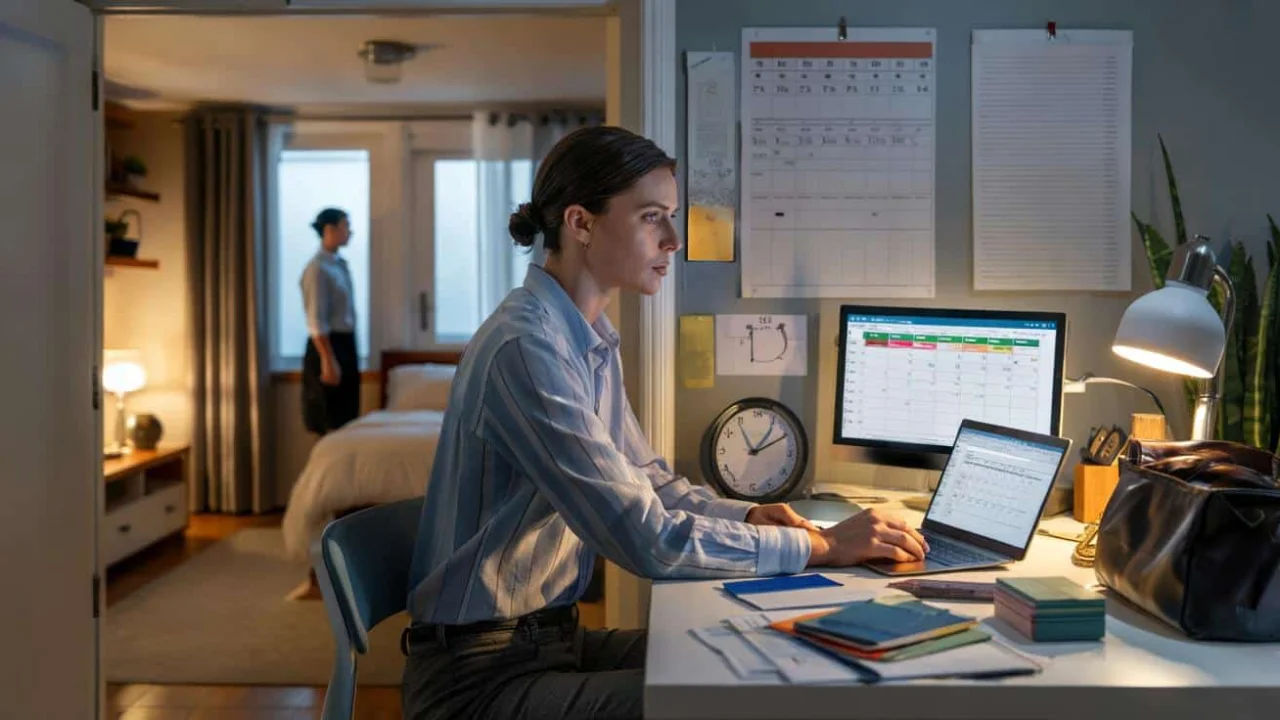
The Hidden Psychology Behind Weekend Anxiety
Transition stress occurs when we shift between different life contexts or routines. While most people assume weekends are automatically relaxing, the reality is more complex. Our brains are wired for predictability, and the abrupt change from structured weekdays to open-ended weekends can trigger unexpected emotional tension.
“The human nervous system thrives on routine and structure,” explains Dr. Elena Martinez, a behavioral psychologist. “When that structure suddenly disappears on Friday evening, some people experience what we call ‘freedom anxiety’—the stress of having too many choices and no clear direction.”

This phenomenon is particularly common among high achievers and people with demanding jobs. During the week, external pressures provide constant validation and direction. Remove those pressures, and suddenly you’re faced with fundamental questions about identity and purpose.
The transition from “worker mode” to “personal time mode” requires a complete mental shift. Your brain has to switch from responding to external demands to creating internal motivation. For many people, this cognitive transition feels jarring rather than liberating.

Understanding the Signs and Triggers
Transition stress manifests differently for everyone, but there are common patterns psychologists have identified. Recognizing these signs can help you understand what’s happening in your own experience.
Common Symptoms of Weekend Transition Stress:

- Physical tension in shoulders, jaw, or chest on Friday evenings
- Restlessness or inability to “switch off” from work mode
- Scrolling social media more than usual
- Feeling guilty about relaxing or “wasting time”
- Sunday scaries starting as early as Saturday
- Comparing your weekend experience to others online
| Weekday State | Weekend State | Transition Challenge |
|---|---|---|
| External structure | Self-directed time | Creating internal motivation |
| Clear objectives | Open possibilities | Decision paralysis |
| Identity through role | Identity without title | Existential questioning |
| Constant stimulation | Quiet space | Confronting inner thoughts |
Dr. James Chen, a specialist in work-life balance, notes that “modern work culture has created people who are almost addicted to busyness. When that constant stimulation stops, withdrawal symptoms are completely normal.”
The triggers for weekend transition stress often include perfectionism, fear of missing out, and what psychologists call “productivity guilt”—the belief that you’re only valuable when you’re being useful or achieving something measurable.
Who Experiences This and How to Navigate It
Weekend transition stress affects a surprisingly wide range of people. Research suggests it’s most common among professionals in high-stress careers, parents juggling multiple responsibilities, and individuals who derive significant identity from their work achievements.
Remote workers face unique challenges because the physical boundaries between work and personal time have blurred. When your living room is also your office, the transition becomes even more complicated.
“I see this pattern constantly in my practice,” says Dr. Lisa Thompson, a therapist specializing in workplace stress. “People come in saying they feel anxious about weekends, which seems backwards to everyone around them. But it makes perfect psychological sense.”
The key to managing transition stress lies in creating what psychologists call “bridge activities”—small rituals that help your mind shift between contexts more gradually.
Practical Strategies for Smoother Transitions:
- Create a Friday evening ritual that signals the end of work mode
- Plan one specific weekend activity you genuinely enjoy
- Practice mindfulness during the transition moment
- Allow yourself to feel the discomfort without judgment
- Set boundaries around weekend work communication
- Engage in physical activity to help process the nervous energy
The goal isn’t to eliminate all structure from your weekends, but to create a gentler bridge between your weekday and weekend selves. This might mean scheduling some activities while leaving other time completely open.
Understanding that weekend anxiety is a normal psychological response can itself be therapeutic. You’re not broken or ungrateful for feeling tense about free time. You’re experiencing a natural reaction to a significant life transition that happens every single week.
Dr. Chen emphasizes that “recognizing transition stress is the first step toward developing a healthier relationship with both work and rest. It’s about learning to be comfortable with different versions of yourself.”
The next time Friday evening arrives and you feel that familiar tension, remember that your brain is simply trying to navigate a complex shift. Be patient with yourself as you learn to embrace both the structure of weekdays and the freedom of weekends.
FAQs
Is it normal to feel anxious about weekends?
Yes, weekend anxiety affects many people and is a recognized psychological response to transition stress between structured and unstructured time.
Why do I feel more stressed on Friday nights than Monday mornings?
Friday nights represent a loss of external structure and clear direction, which can feel more challenging than returning to a predictable routine on Monday.
How long does it take to adjust to better weekend transitions?
Most people notice improvement within 3-4 weeks of consistently practicing transition rituals and mindfulness techniques.
Should I schedule my entire weekend to avoid this anxiety?
No, over-scheduling defeats the purpose of rest. Instead, plan 1-2 anchor activities while leaving space for spontaneity.
Can weekend transition stress affect my physical health?
Chronic transition stress can contribute to tension headaches, sleep issues, and digestive problems if left unaddressed.
Is this connected to Sunday scaries?
Yes, weekend transition stress and Sunday anxiety often stem from the same difficulty in managing transitions between work and personal time.
About the Author