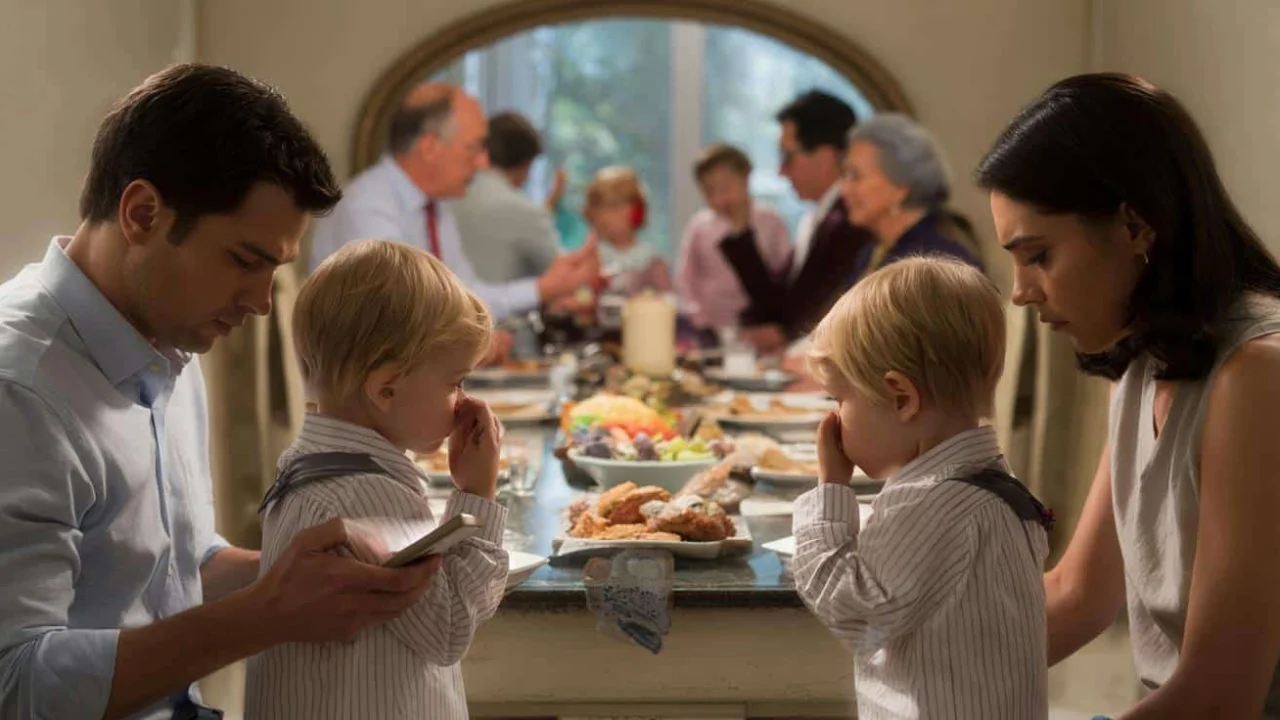
Sarah hasn’t called her brother in eight months. They live in the same city, their kids go to schools just ten minutes apart, but somehow they never cross paths. At their mother’s birthday dinner last week, they sat across from each other making small talk about the weather while their mom watched with that familiar, worried expression she’s worn for years.

“We just grew apart,” Sarah tells friends when they ask. But deep down, she knows that’s not quite right. The truth is messier, heavier. It started long before they had mortgages and soccer schedules to blame.
The patterns that create distant adult sibling relationships often begin in childhood, weaving themselves so deeply into family dynamics that they become invisible. What looks like simple “growing apart” is usually something much more complex.
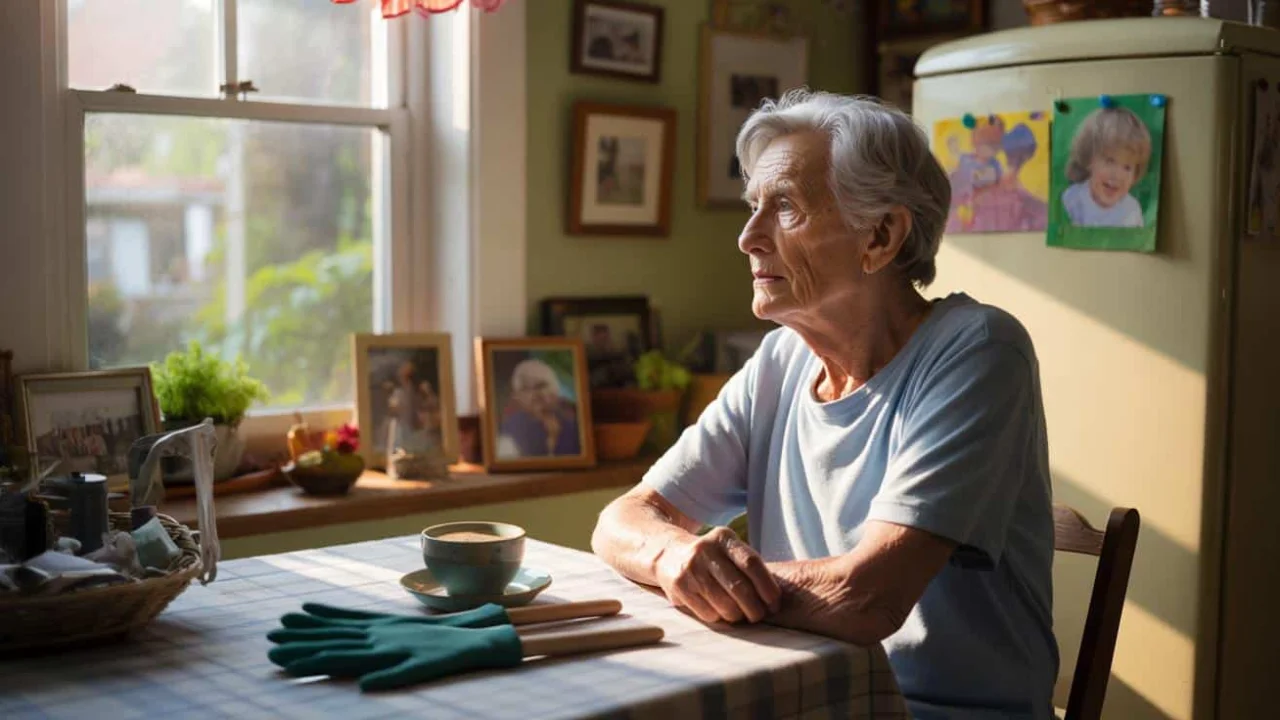
How Childhood Patterns Shape Adult Sibling Distance
Sibling relationships in childhood don’t exist in a vacuum. They’re shaped by parental attention, family stress, personality clashes, and countless small moments that either build connection or create walls. When certain toxic patterns take root early, they can poison the relationship for decades.
“Many adults assume that childhood sibling dynamics will naturally resolve themselves over time, but research shows the opposite,” explains family therapist Dr. Michelle Chen. “Without active effort to address these patterns, they often become more entrenched as we age.”

The distance between adult siblings rarely happens overnight. Instead, it develops through years of unresolved childhood experiences that created emotional walls too high to climb.
The Nine Childhood Patterns That Create Lifelong Distance
Understanding these patterns can help explain why some siblings who once shared everything now struggle to share a conversation. Here are the most common childhood experiences that lead to adult sibling estrangement:
| Pattern | Childhood Experience | Adult Impact |
|---|---|---|
| Golden Child vs. Problem Child | One sibling consistently praised, other criticized | Resentment, guilt, and rigid role expectations |
| Parentification | Older sibling forced into caretaker role | Power imbalances and unresolved anger |
| Competitive Environment | Parents pit siblings against each other | Inability to celebrate each other’s success |
| Emotional Neglect | Fighting for limited parental attention | Scarcity mindset in relationships |
- Chronic comparison: When parents constantly compared academic performance, behavior, or appearance, siblings learned to see each other as threats rather than allies.
- Unequal treatment: Different rules, privileges, or consequences for similar behavior created lasting feelings of unfairness and resentment.
- Trauma responses: Siblings who coped with family dysfunction in different ways often judge each other’s survival strategies.
- Scapegoating: When one child became the family’s “problem,” siblings learned to distance themselves to avoid similar treatment.
- Emotional triangulation: Parents who used children to communicate with each other created unhealthy alliances and divided loyalties.
“The saddest part is that siblings in these situations often desperately wanted connection,” notes child psychologist Dr. James Rodriguez. “But the family system made authentic relationship impossible.”

These patterns create what experts call “sibling wounds” – deep emotional injuries that shape how brothers and sisters see each other for life. The child who was always compared unfavorably grows up expecting rejection. The one who was parentified struggles with boundaries. The golden child carries guilt and pressure that makes genuine connection feel impossible.
The Real-World Impact of Broken Sibling Bonds
When sibling relationships fail to heal, the consequences ripple through entire families. Adult children find themselves navigating holidays like diplomatic missions, carefully managing seating arrangements and conversation topics to avoid conflict.
Parents often blame themselves, wondering where they went wrong. They watch their children maintain polite distance at family gatherings, exchanging pleasantries while avoiding any real connection. The grandchildren grow up barely knowing their aunts and uncles, missing out on extended family relationships.
“I see this pattern frequently in my practice,” explains family counselor Dr. Lisa Park. “Adult siblings will attend the same events but operate like strangers who happen to share DNA. The emotional cost is enormous for everyone involved.”
The lost relationship affects more than just the siblings themselves. Research shows that strong sibling bonds in adulthood provide crucial emotional support, help with aging parents, and create resilience during life’s challenges. When those bonds are broken, families lose a vital support network.
Some siblings try to repair these relationships, often after major life events like parent illness or death. But without addressing the childhood patterns that created the distance, these efforts frequently fail. The old dynamics resurface quickly, leaving everyone frustrated and more convinced that the relationship is unfixable.
Yet healing is possible. Therapy, honest conversations, and sometimes simply acknowledging what happened can begin to bridge decades of distance. The key is recognizing that the polite stranger sitting across the dinner table was once the person who knew all your secrets – and understanding that the patterns keeping you apart started long before either of you had a choice in the matter.
Breaking these cycles requires courage, patience, and often professional help. But for siblings willing to do the work, it’s possible to build something new – not the relationship you had as children, but something healthier, chosen rather than imposed by circumstances beyond your control.
FAQs
Can adult siblings repair relationships damaged by childhood patterns?
Yes, but it requires both siblings to acknowledge the patterns and commit to changing them, often with professional help.
Why do some siblings from the same family have completely different memories of childhood?
Birth order, age gaps, and different treatment from parents mean siblings often experience the “same” childhood very differently.
Is it normal for adult siblings to grow apart naturally?
Some distance is normal as adults build their own lives, but complete estrangement usually indicates unresolved childhood issues.
How do broken sibling relationships affect the next generation?
Children miss out on extended family connections and may learn unhealthy relationship patterns from observing their parents’ sibling dynamics.
What’s the first step in healing a damaged sibling relationship?
Acknowledging that childhood patterns contributed to the current distance, rather than blaming it entirely on “growing apart” or adult circumstances.
Should parents intervene in adult sibling conflicts?
Parents should avoid taking sides but can encourage healing by acknowledging their role in creating problematic childhood dynamics.
About the Author