Last weekend, I watched my friend Sarah check her phone obsessively during our movie night. She wasn’t scrolling social media—she was tracking the box office numbers for two horror films she’d been following. “I can’t believe it,” she whispered, eyes wide with genuine surprise. “These movies are actually holding their audience.”

Sarah’s shock wasn’t unfounded. In the horror movie world, there’s an unspoken rule that most fans have learned to accept: great opening weekend, brutal second weekend. It’s like clockwork—audiences rush to see the latest scary flick, then word spreads about whether it’s worth the ticket price, and numbers typically crash harder than a character running upstairs in a slasher film.
But something unusual is happening at the horror movies box office right now, and it’s got industry watchers doing double-takes at their spreadsheets.
When Bad Reviews Don’t Kill Box Office Dreams
Two recent horror releases, “The Strangers: Chapter 3” and “Dracula,” are rewriting the playbook on how horror movies perform during their crucial second weekend. Despite receiving less-than-stellar reviews from critics, both films are showing remarkable staying power that defies industry expectations.
“The Strangers: Chapter 3,” directed by Renny Harlin, dropped only 34.5% from its opening weekend—a figure that would make most horror executives weep tears of joy. Meanwhile, Luc Besson’s “Dracula” adaptation starring Caleb Landry Jones performed even better, falling just 31.8% in its sophomore frame.
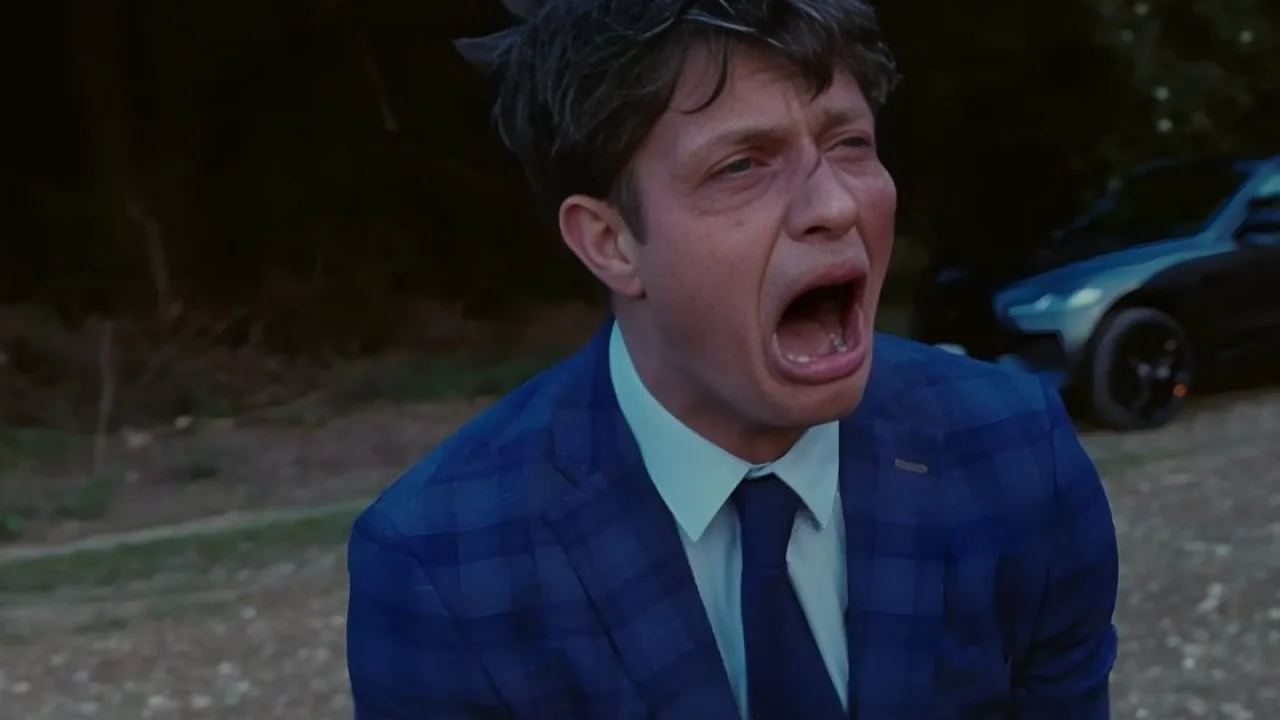
To put this in perspective, most horror movies typically see drops between 50% and 70% after their opening weekend. A drop below 40% is considered exceptional in the genre, making these performances genuinely noteworthy.
“Horror audiences are usually very front-loaded,” explains box office analyst Michael Chen. “They come out strong on opening weekend, but if word-of-mouth is poor, the drop-off can be devastating. What we’re seeing here suggests something different is happening.”
Breaking Down the Numbers That Matter
Both films debuted on February 6, and their weekend performance tells a fascinating story about audience behavior and the current state of theatrical horror.
| Movie | Second Weekend Earnings | Weekend Drop | Box Office Position |
|---|---|---|---|
| The Strangers: Chapter 3 | $2.3 million | 34.5% | #11 |
| Dracula | $3.0 million | 31.8% | #10 |
Here’s what makes these numbers particularly impressive:

- Both films maintained their audience despite negative critical reception
- The drops are among the smallest recorded for horror movies in recent years
- Neither film relied on major star power or massive marketing budgets
- Both competed against several mainstream releases during their second weekend
- The performances suggest strong word-of-mouth among core horror fans
“The Strangers: Chapter 3” serves as the concluding chapter of Renny Harlin’s trilogy, marking the fifth installment in the overall franchise. The film’s ability to retain its audience suggests that franchise loyalty might be playing a significant role in its sustained performance.
Industry veteran Lisa Rodriguez notes, “When you see horror movies holding their audience like this, it usually means one of two things: either the movie is genuinely connecting with viewers despite critical reception, or there’s a dedicated fanbase that’s driving repeat viewings.”
What This Means for Horror’s Future
The success of these two films in avoiding the typical horror movie box office curse could signal important shifts in how audiences consume scary movies. The horror movies box office has traditionally been predictable—big opening, steep drop, quick exit to streaming or home video.
These performances suggest that horror fans might be becoming more discerning about which films deserve their continued support. Rather than simply showing up for opening weekend and moving on, audiences appear to be giving these films a longer theatrical life.
The implications extend beyond just these two titles. Studios are watching these numbers closely, as they could influence future horror movie release strategies and budget allocations. A horror film that can maintain audience interest for multiple weekends becomes significantly more profitable than one that burns bright and fades fast.
“What we’re potentially seeing is the emergence of a more sustainable model for mid-budget horror films,” suggests entertainment journalist Mark Thompson. “If movies can hold their audiences better, it changes the entire economic equation for these productions.”
For moviegoers, this trend could mean more diverse horror offerings making it to theaters. When films can sustain their box office performance beyond opening weekend, it encourages studios to take more creative risks and support original concepts rather than relying solely on sequels and reboots.
The horror movies box office landscape has always been volatile, but these recent performances hint at evolving audience behavior. Whether this represents a temporary anomaly or the beginning of a new trend remains to be seen, but for now, horror fans have reason to celebrate films that prove critics don’t always have the final word on audience satisfaction.
FAQs
Why do horror movies usually have big second-weekend drops?
Horror films typically attract eager fans on opening weekend, but poor word-of-mouth or critical reviews often prevent broader audiences from attending in subsequent weeks.
Are these box office numbers considered successful?
While the raw earnings aren’t blockbuster-level, the small weekend drops are exceptional for horror films and indicate strong audience retention.
What makes a 30-35% drop unusual for horror movies?
Most horror films see drops of 50-70% in their second weekend, making these sub-40% drops remarkably strong for the genre.
Do Rotten Tomatoes scores usually affect horror movie box office performance?
Yes, poor critical scores typically lead to steeper box office drops, which makes these films’ sustained performance particularly noteworthy.
Could this trend change how studios approach horror movie releases?
If more horror films can maintain audiences beyond opening weekend, studios might invest more in mid-budget horror projects and take greater creative risks.
What role does franchise loyalty play in box office performance?
“The Strangers: Chapter 3” benefits from being part of an established franchise, which likely contributed to its sustained audience retention.
About the Author