
Sarah always knew something was off when her phone buzzed with yet another crisis text. “Can you talk? Everything’s falling apart,” her friend would write, and Sarah would drop everything to listen. Two hours later, after offering advice and emotional support, she’d hang up feeling oddly empty.
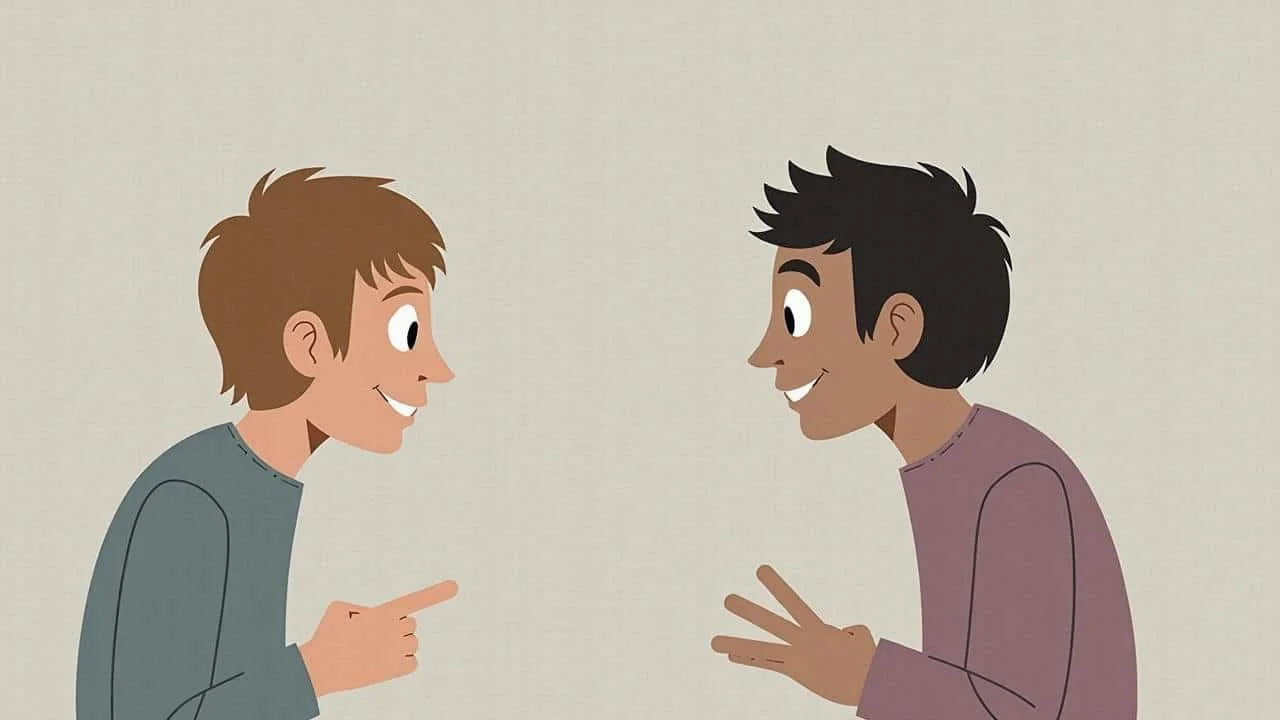
When Sarah’s own relationship ended three weeks later, she stared at her contact list for twenty minutes before closing her phone. Who could she call? Everyone seemed so busy with their own lives. The people who reached out to her constantly somehow never seemed available when she needed them.
She realized she’d become the person everyone leaned on, but no one really knew. The helper who’d forgotten how to be helped. The giver who’d never learned how to receive.

The Psychology Behind Nice People Isolation
The cruel irony of social dynamics reveals itself in a pattern psychologists have been studying for decades. Those who give the most often receive the least meaningful connections in return. Nice people isolation isn’t about being disliked—it’s about being taken for granted while remaining emotionally distant from others.
“People confuse being helpful with being close,” explains Dr. Rebecca Chen, a social psychologist. “But proximity isn’t intimacy, and being useful isn’t the same as being valued for who you are.”

The research shows that genuinely kind individuals often fall into behavioral patterns that inadvertently push authentic relationships away. They become so focused on meeting others’ needs that they forget to express their own. This creates a one-sided dynamic where they’re appreciated but not truly known.
The gap between being well-liked and being genuinely connected becomes a silent source of loneliness that many nice people struggle to understand or articulate.

Seven Psychological Traps That Keep Good People Alone
Mental health experts have identified specific patterns that contribute to nice people isolation. Understanding these can help explain why good intentions don’t always lead to meaningful friendships:
- Chronic People-Pleasing: Always saying yes erases your personality and makes you predictable rather than interesting
- Fear of Being a Burden: Never asking for help creates one-way relationships where others can’t reciprocate
- Self-Worth Through Service: Defining yourself only by what you do for others leaves little room for authentic self-expression
- Conflict Avoidance: Using niceness to dodge difficult conversations prevents deeper emotional intimacy
- Attracting Takers: Over-giving draws people who are comfortable receiving but uncomfortable giving back
- Surface-Level Connections: Building friendships around convenience rather than genuine compatibility
- Hidden Resentment: Unexpressed frustration about unreciprocated effort that eventually damages relationships

“The tragedy is that many of these people are genuinely wonderful,” notes therapist Mark Davidson. “But they’ve learned to connect through service rather than vulnerability, which limits how close others can get to them.”
| Isolation Pattern | What It Looks Like | Why It Backfires |
|---|---|---|
| Always Available | Dropping everything to help others | Others don’t worry about losing you |
| Never Needy | Handling problems alone | Others can’t practice caring for you |
| Constant Giving | Buying gifts, planning events | Relationships become transactional |
| Avoiding Conflict | Agreeing to keep peace | Others never see your authentic self |
The Real-World Impact of Invisible Kindness
The consequences of nice people isolation extend far beyond social disappointment. Research indicates that people trapped in these patterns experience higher rates of anxiety, depression, and burnout. They often struggle with decision-making because they’re so used to prioritizing others’ preferences over their own.
Professional relationships suffer too. Nice people frequently find themselves overwhelmed with extra responsibilities at work because they can’t say no. They’re reliable but rarely promoted, helpful but seldom recognized as leaders.
“I spent years wondering why I felt lonely in rooms full of people who liked me,” shares Jennifer, 28, a teacher who recognizes these patterns in herself. “I realized I’d become everyone’s supporting character, never the main character of my own story.”
The isolation becomes self-perpetuating. As nice people notice their efforts going unreciprocated, they often respond by giving even more, hoping to earn the connection they crave. This creates a cycle where they become increasingly essential to others’ lives while becoming increasingly invisible as individuals.
Family dynamics can be particularly challenging. Nice people often become the designated emotional caretakers, always checking on everyone else while their own needs go unnoticed. During family gatherings, they’re the ones in the kitchen, cleaning up, making sure everyone else is comfortable.
Breaking these patterns requires conscious effort and often feels uncomfortable at first. Learning to express needs, set boundaries, and occasionally disappoint others goes against every instinct they’ve developed. But it’s the only path toward relationships built on mutual respect rather than one-sided service.
The goal isn’t to become less kind, but to become more authentically present. True connection happens when people know and choose the real you—not just the helpful version you think they want to see.
FAQs
Why do nice people often end up alone despite their good intentions?
Nice people frequently prioritize others’ needs over expressing their own, creating one-sided relationships where they’re appreciated but not truly known or chosen.
Can being too nice actually hurt your social life?
Yes, excessive niceness can make you predictable and prevent authentic connections by hiding your real personality behind constant people-pleasing.
How can nice people avoid isolation without becoming mean?
The key is learning to share your authentic self, including needs and boundaries, rather than only showing up as a helper or giver.
What’s the difference between being liked and being close to someone?
Being liked often means people appreciate what you do for them, while closeness involves mutual vulnerability and genuine knowledge of each other.
Is it normal to feel lonely even when surrounded by people who care about you?
Absolutely—loneliness often stems from feeling unknown rather than unloved, which commonly affects people who focus on giving rather than authentic sharing.
How can you tell if your relationships are one-sided?
Look at who initiates contact, who remembers important details about your life, and whether people are available when you need support—not just when they need yours.
About the Author
