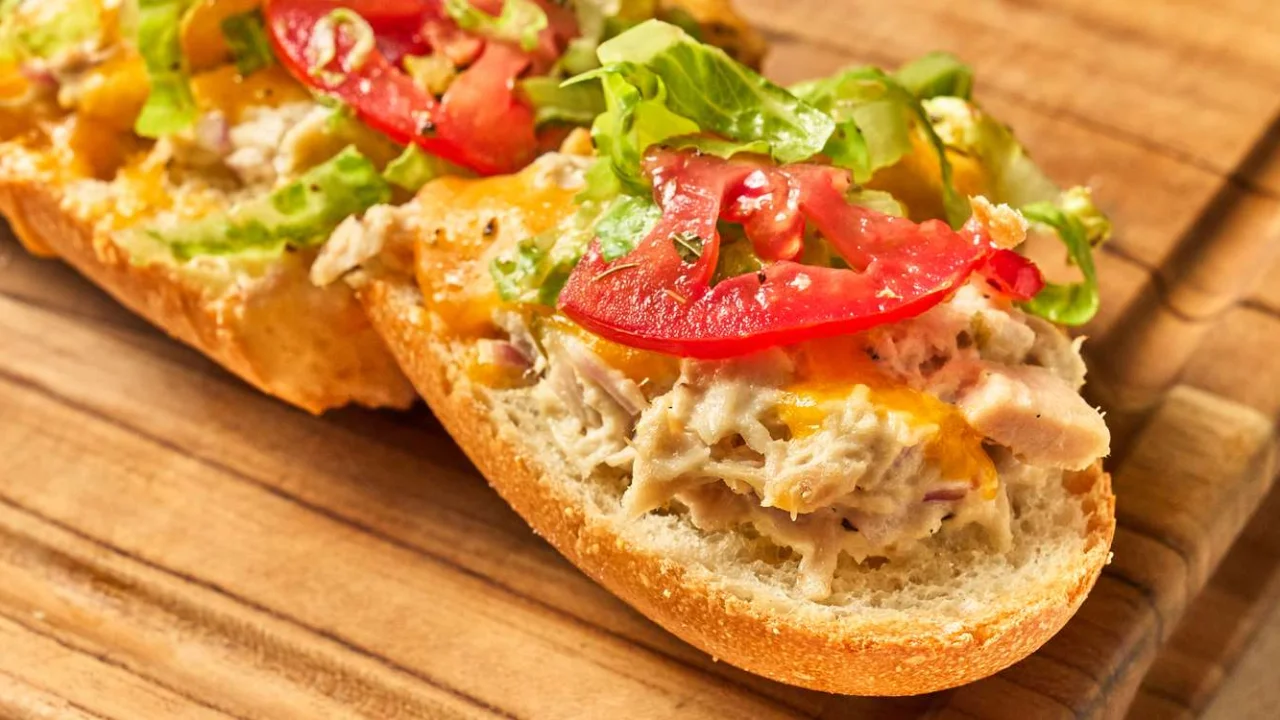
Last Tuesday, I stood in my kitchen staring at a sad can of tuna and half a loaf of French bread that was about to go stale. My teenager had just announced they were “starving” for the third time in an hour, and I needed something that would actually fill them up without requiring a trip to the grocery store. That’s when I remembered my grandmother’s genius approach to feeding hungry kids: turn ordinary ingredients into something that feels like a real meal.
She used to make these incredible open-faced sandwiches that she called “boats” because of how the bread cradled all the good stuff. The tuna melt boat became my salvation that day, and honestly, it’s been my go-to comfort food hack ever since.
Sometimes the best meals come from the most desperate kitchen moments. You know those times when you’re digging through pantry staples, trying to create something that doesn’t scream “I gave up on cooking today.” The tuna melt boat is exactly that kind of recipe – it takes humble ingredients and transforms them into something hearty and satisfying.

Why the Tuna Melt Boat Works So Well
The beauty of a tuna melt boat lies in its simplicity and substance. Unlike regular tuna melts that can feel flat and one-dimensional, the boat method creates layers of flavor and texture that actually satisfy hunger. The hollowed-out French bread acts as both plate and participant, soaking up flavors while providing that perfect chewy-crusty contrast.
“The boat style really changes the whole eating experience,” says culinary educator Nicole McLaughlin, who has spent over 20 years helping home cooks master comfort food classics. “You’re getting more filling per bite, and the bread becomes part of the dish instead of just a vehicle.”
What makes this version special is the combination of hot and cold elements. While the tuna mixture and melted cheddar provide warmth and richness, the fresh chopped salad on top adds brightness and crunch. This isn’t your cafeteria tuna melt – it’s a complete meal that happens to be built on bread.
The technique also solves the eternal problem of tuna melts falling apart. When you hollow out the bread and create those little boats, everything stays put. No more sliding filling or soggy bread disasters.

Essential Components and Preparation Tips
Making the perfect tuna melt boat requires attention to a few key details, but none of them are complicated. The magic happens in layering and timing, not fancy techniques.
| Component | Key Tips | Common Mistakes |
|---|---|---|
| Bread Selection | Use day-old French bread for easier hollowing | Using fresh bread that’s too soft |
| Tuna Mixture | Balance mayo with lemon juice for brightness | Over-mixing or making it too wet |
| Cheese Layer | Sharp cheddar melts beautifully and adds flavor | Using pre-shredded cheese that doesn’t melt smoothly |
| Fresh Salad Top | Add after broiling to maintain crunch | Adding greens before broiling |
The preparation process breaks down into manageable steps that even busy weeknight cooks can handle:

- Hollow out your bread halves, saving the removed bread for breadcrumbs or croutons later
- Mix your tuna with diced red onion, pickles, celery, mayo, lemon juice, and seasonings
- Fill each bread boat with the tuna mixture, creating a slight mound
- Top generously with shredded cheddar cheese
- Broil for 2-3 minutes until the cheese bubbles and turns golden
- Finish with the fresh salad mixture of romaine, tomatoes, and pepperoncini
“The key is getting that cheese properly melted without burning the bread,” notes chef instructor Maria Rodriguez, who teaches sandwich techniques at a local culinary school. “Watch it carefully during those last few minutes under the broiler.”
Temperature control makes all the difference. Your broiler should be preheated, and the oven rack positioned about 6 inches from the heat source. This gives you enough distance to melt the cheese thoroughly without charring the edges of your bread boats.
Making It Work for Real Life
The tuna melt boat isn’t just comfort food – it’s practical food that solves real problems. When you’re feeding teenagers, unexpected guests, or just need something more substantial than a regular sandwich, this recipe delivers.
One recipe typically yields about 10 servings, making it perfect for meal prep or feeding a crowd. You can prepare the tuna mixture ahead of time and store it in the refrigerator for up to two days. The bread boats can even be hollowed out in advance, though they’re best assembled and broiled right before serving.
“I make a big batch of the tuna mixture on Sunday and use it throughout the week,” shares home cook Jennifer Walsh, mother of three. “Sometimes it’s boats, sometimes regular sandwiches, but having that base ready makes weeknight dinners so much easier.”
The versatility extends to ingredients too. While the classic version uses cheddar cheese, you can experiment with Swiss, provolone, or even pepper jack for heat. The fresh salad component can be adjusted based on what you have – swap pepperoncini for pickled jalapeños, or add cucumber for extra crunch.
For families with different preferences, the boat method makes customization simple. Some family members might prefer extra cheese, while others want more of the fresh vegetable topping. The individual portions make it easy to accommodate everyone.
The recipe also scales down beautifully for single servings or date nights. Use a smaller baguette, adjust the tuna mixture accordingly, and you’ve got an elevated weeknight dinner that feels special without requiring restaurant prices or complicated techniques.
Storage and reheating work well too, though the fresh salad component should always be added just before serving. The tuna and cheese base can be reheated in a toaster oven or under the broiler for a minute or two.
FAQs
Can I make tuna melt boats ahead of time?
You can prepare the tuna mixture and hollow out the bread up to a day ahead, but assemble and broil just before serving for the best texture.
What’s the best bread to use for tuna melt boats?
Day-old French bread or Italian bread works perfectly because it’s easier to hollow out and won’t get soggy from the filling.
Can I use different types of cheese?
Absolutely! Sharp cheddar is classic, but Swiss, provolone, or Gruyere all melt beautifully and add their own flavor profiles.
How do I keep the bread from getting soggy?
Drain your tuna well and don’t over-mix with mayonnaise. The hollowed-out bread design also helps prevent sogginess.
Can I add other vegetables to the tuna mixture?
Yes! Diced bell peppers, chopped green onions, or even grated carrots work well mixed into the tuna base.
What if I don’t have a broiler?
You can bake the assembled boats at 400°F for about 8-10 minutes until the cheese melts, though you won’t get the same golden-brown top.
About the Author