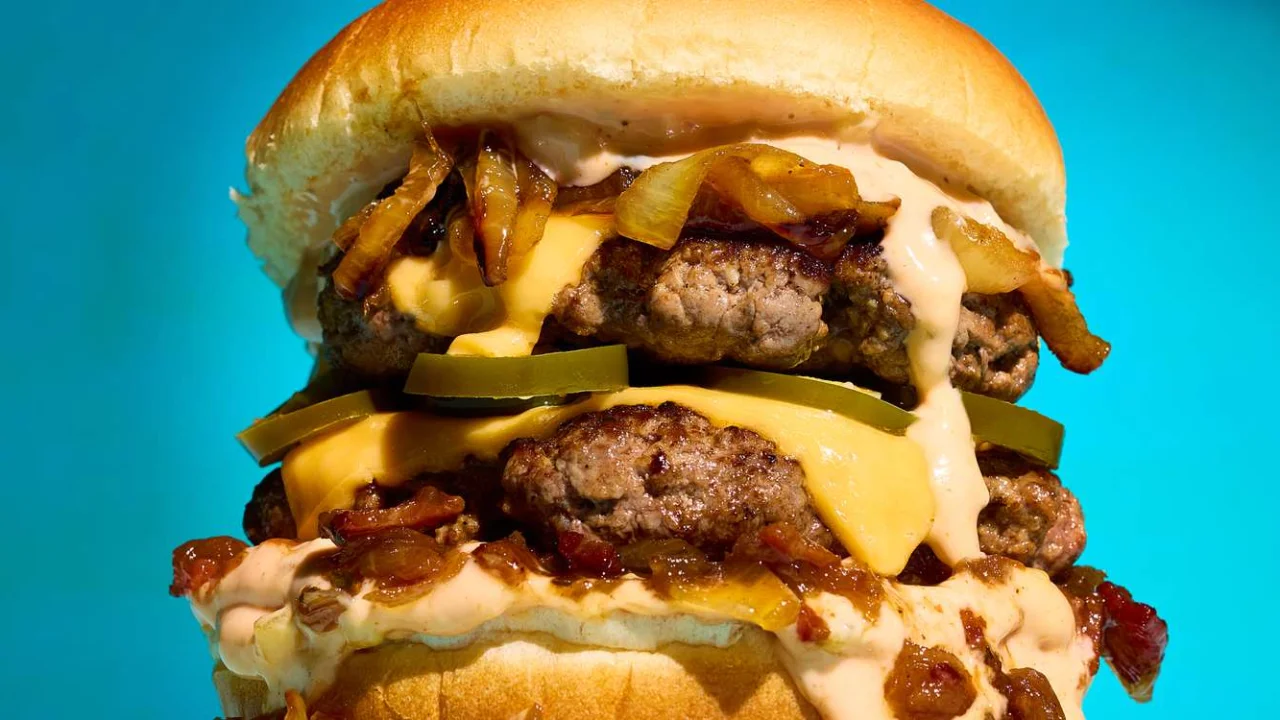
Last weekend, I stood in my backyard, spatula in hand, staring down at what should have been the perfect burger. I’d bought expensive grass-fed beef, seasoned it carefully, and grilled it with all the confidence of a weekend warrior. But when I took that first bite, something was off. It was good, sure, but it wasn’t great. It wasn’t like the juicy, flavor-packed masterpiece I’d devoured at my favorite local restaurant just days before.
Sound familiar? You’re not alone in this burger battle. Despite our best efforts, those restaurant burgers always seem to have that extra something—that perfect char, that ideal juiciness, that unforgettable taste that keeps us coming back for more.
The Secret World of Professional Burger Making
After countless disappointing backyard attempts, I decided to go straight to the source. I reached out to six professional chefs who’ve mastered the art of restaurant burgers, and what they revealed completely changed how I approach burger making at home.

“Restaurant burgers usually taste better because we obsess over the details most home cooks don’t consider,” explains Jeff Martin, chef and partner at Park Cafe, Germantown Cafe and Karrington Rowe. “The biggest key is restraint. Restaurants don’t necessarily do more; we do less, but better.”
That concept of “less but better” became a recurring theme as I spoke with more chefs. They’re not using magic ingredients or secret formulas—they’re simply perfecting the fundamentals that most of us rush through or overlook entirely.
“If home cooks focus on the fundamentals—few, high-quality ingredients, heat, seasoning, and confidence to let the burger cook without fussing—their burgers would immediately get better,” Martin continues. “When you stack a few small advantages together, the difference becomes obvious in the first bite.”
The Game-Changing Techniques That Make Restaurant Burgers Superior
After talking with these burger masters, I discovered that the magic lies in six key areas where restaurants consistently outperform home cooks. Here’s what separates the pros from the rest of us:
- Meat Selection and Fat Content: Restaurants use specific fat ratios (usually 80/20) and often blend different cuts
- Temperature Control: Professional equipment maintains consistent, high heat that home grills struggle to match
- Timing and Patience: Chefs resist the urge to press, flip, or fidget with the patty
- Salt Technique: Strategic seasoning at multiple stages, not just before cooking
- Bun Preparation: Toasting and buttering techniques that create the perfect textural contrast
- Assembly Strategy: Layering order and ingredient temperature control
Chef Maria Rodriguez from Burnside Burger Co. shared a particularly eye-opening insight: “We salt our patties at least 30 minutes before cooking, sometimes up to 24 hours ahead. This draws out moisture initially, then reabsorbs it along with the salt, creating incredible depth of flavor.”
| Restaurant Technique | Home Cook Version | Impact on Flavor |
|---|---|---|
| 30-minute salt cure | Season just before cooking | Enhanced umami and texture |
| 450°F+ consistent heat | Variable grill temperature | Perfect crust development |
| Butter-toasted buns | Plain or lightly toasted | Richer flavor and texture contrast |
| Room temperature assembly | Cold ingredients from fridge | Balanced temperature throughout |
“The biggest mistake I see home cooks make is pressing down on the patty,” says Chef David Chen from Smokehouse Grill. “You’re literally squeezing out all the juices that make a burger great. Trust the process and let the heat do the work.”
Why These Changes Will Transform Your Home Burger Game
Understanding these professional techniques isn’t just about making better burgers—it’s about fundamentally changing how you approach cooking at home. These methods work because they’re based on science, not guesswork.
The salt-curing technique, for example, works through osmosis. Initially, salt draws moisture from the meat’s surface. But given time, that moisture gets reabsorbed along with the salt, penetrating deep into the protein fibers. This process, called dry-brining, creates more flavorful and tender results than last-minute seasoning.
Temperature control matters because proteins in ground beef start changing around 130°F. The Maillard reaction—responsible for that coveted crust—kicks into high gear at temperatures above 300°F. Home grills often struggle to maintain these crucial temperatures consistently.
“People underestimate how much the bun contributes to the overall experience,” notes Chef Sarah Williams from Local Table. “A properly buttered and toasted bun isn’t just about taste—it creates a barrier that prevents sogginess while adding textural interest.”
The assembly order also plays a crucial role. Restaurants typically place lettuce and other cool vegetables directly against the bottom bun, creating a moisture barrier. Cheese goes on the hot patty to melt properly, while tomatoes stay on top where their juices won’t make the bottom soggy.
Chef Mike Thompson from Grille 23 emphasizes the importance of ingredient temperature: “Everything should be at room temperature except the cold garnishes. Cold cheese won’t melt properly, and a cold patty will shock the system when you bite into it.”
These techniques are already changing how home cooks approach burgers nationwide. Food bloggers and cooking enthusiasts report dramatic improvements after implementing just two or three of these professional methods.
The beauty of these restaurant secrets is their simplicity. You don’t need expensive equipment or rare ingredients—just a willingness to slow down and pay attention to details that make the difference between good and exceptional.
Whether you’re firing up the grill for a family barbecue or just want to elevate your weeknight dinner game, these chef-approved techniques will help you create restaurant-quality burgers in your own kitchen. The next time you bite into one of your homemade creations, you might just find yourself wondering why you ever needed to go out for a great burger in the first place.
FAQs
Why do restaurant burgers taste so much better than homemade ones?
Restaurants focus on perfecting fundamental techniques like proper fat ratios, consistent high heat, strategic seasoning timing, and resisting the urge to press or over-handle the patty during cooking.
What’s the ideal fat content for burger patties?
Most professional chefs recommend an 80/20 lean-to-fat ratio for the best balance of flavor and juiciness without being overly greasy.
Should I salt my burger patties ahead of time?
Yes, salting patties 30 minutes to 24 hours before cooking allows the salt to penetrate the meat through osmosis, creating more flavorful and tender results.
What temperature should I cook burgers at?
Restaurants typically cook burgers at 450°F or higher to achieve proper crust development through the Maillard reaction while maintaining juiciness inside.
Why shouldn’t I press down on burger patties while cooking?
Pressing patties squeezes out the natural juices that make burgers flavorful and moist, resulting in dry, less tasty results.
How important is bun preparation for a great burger?
Very important—properly buttering and toasting the bun creates flavor depth, textural contrast, and helps prevent sogginess from burger juices.
About the Author