When Sarah opened her December energy bill last year, she nearly choked on her tea. £287 for a month when she’d barely been home. Her boyfriend suggested she was running a secret sauna, but the truth was simpler and more frustrating.

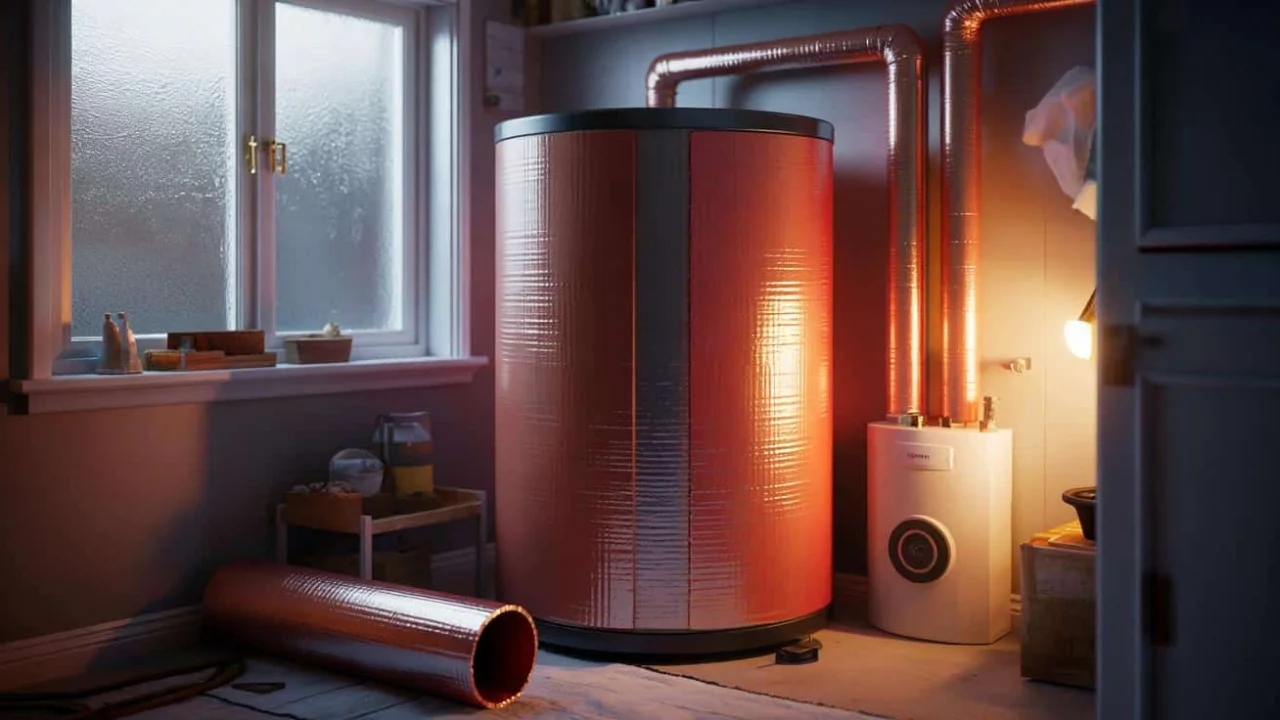
Her hot water tank, tucked away in the basement cupboard, had been working overtime to keep water hot in a space that felt like a refrigerator. Every hour of every day, precious heat was escaping through the bare metal cylinder, forcing her boiler to kick in constantly just to maintain temperature.
That £20 insulation jacket she’d been meaning to buy for months? It could have saved her nearly £60 that winter alone.

Your Hot Water Tank Is Bleeding Money While You Sleep
Millions of homes across Britain have hot water tanks that work harder than they need to. These cylindrical workhorses sit in cupboards, lofts, basements, and garages, dutifully heating water around the clock whether you’re using it or not.
The problem isn’t the tank itself – it’s what’s not wrapped around it. Without proper hot water tank insulation, your stored hot water constantly loses heat to the surrounding air. The colder that space, the faster your money evaporates.

“Up to one-fifth of the energy used to heat stored hot water can be lost through an uninsulated tank and pipes,” explains energy efficiency consultant Mark Thomson. “That’s like paying to heat your neighbour’s house while getting nothing in return.”
Winter makes this problem exponentially worse. When there’s a 40-degree difference between your hot water and a freezing garage, physics works against you every second. Your immersion heater or boiler fires up repeatedly just to replace heat that’s seeping through bare metal.
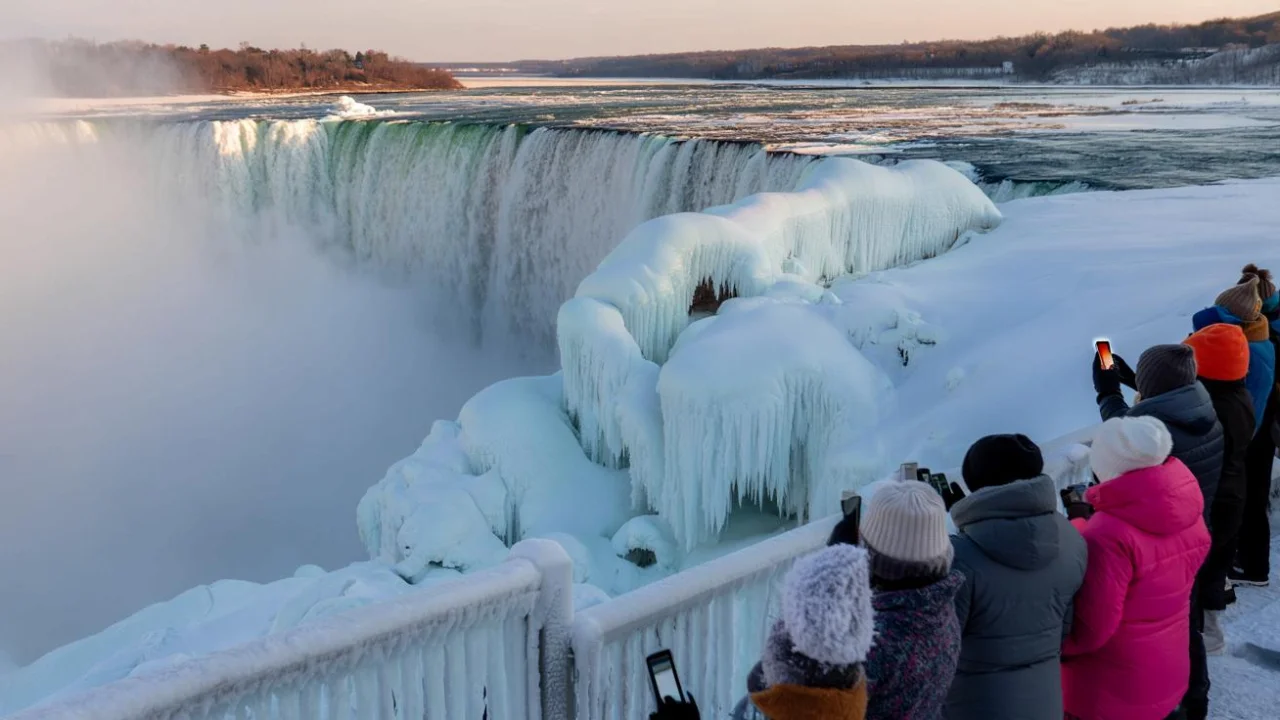
Think of it this way: you wouldn’t leave your front door wide open during a snowstorm, yet that’s essentially what an uninsulated hot water cylinder does with your energy bills.
The Science Behind the Savings
Hot water tank insulation works on a beautifully simple principle: trap the heat where you want it. A quality insulation jacket creates a thermal barrier that dramatically slows heat loss, keeping your water hotter for longer periods.

Here’s what the numbers look like for an average household:
| Tank Location | Annual Heat Loss Without Insulation | Potential Annual Savings |
| Heated cupboard | £35-45 | £25-35 |
| Unheated utility room | £50-65 | £35-50 |
| Garage or loft | £70-85 | £50-65 |
The insulation materials typically include:
- Mineral wool or fibreglass core for thermal protection
- Foil backing to reflect radiant heat
- Water-resistant outer covering
- Adjustable straps or ties for secure fitting
“A basic cylinder jacket and a few pipe sleeves can trim hot water energy use by around 15-20%,” says heating engineer Claire Patterson. “For most families, that translates to £50-60 back in their pockets every year.”
The magic happens because your heating system doesn’t have to work as hard. Instead of cycling on every hour to reheat cooled water, it might only need to fire up every two or three hours. Those saved cycles add up to serious money over a heating season.
Who Benefits Most and What Changes
Not everyone will see the same dramatic savings, but certain households stand to benefit enormously from hot water tank insulation. Older properties with tanks in cold spaces see the biggest impact, particularly those built before modern insulation standards.
Families who use lots of hot water – think teenagers with lengthy showers or households doing multiple loads of laundry – will notice the difference most quickly. The tank maintains temperature better, so there’s always hot water ready when needed.
“I installed a jacket on my cylinder in September, and by November I could already see the difference on my smart meter,” shares homeowner David Walsh. “The baseline energy use dropped noticeably, even when we weren’t actively using hot water.”
The installation process couldn’t be simpler. Most jackets wrap around the cylinder like a sleeping bag, securing with straps or Velcro. No tools required, no plumber needed. The whole job takes about 15 minutes.
Beyond the immediate bill savings, proper insulation extends your heating system’s lifespan by reducing how often it cycles. Less wear and tear means fewer repair bills down the road.
The environmental impact matters too. Reducing energy waste by 15-20% means your household’s carbon footprint shrinks without changing how you live. It’s one of the easiest ways to make your home more sustainable.
“The payback period is typically under six months,” notes energy advisor Rachel Foster. “After that, it’s pure savings for the next decade or more.”
Some energy suppliers even offer free or subsidised insulation through efficiency schemes, making the investment even more attractive. Check with your provider about available programmes before purchasing your own materials.
FAQs
How much does hot water tank insulation cost?
Basic jackets start around £15-25, while premium options with thicker insulation cost £30-50. The investment typically pays for itself within 6 months.
Will insulation work on any type of hot water tank?
Most standard cylindrical tanks can be insulated, but check the manufacturer’s recommendations. Some newer tanks already have built-in insulation that can’t be improved.
Can I install the insulation myself?
Absolutely. Most jackets simply wrap around the cylinder and secure with straps or ties. No special tools or expertise required.
How long does hot water tank insulation last?
Quality insulation jackets typically last 10-15 years before needing replacement. The materials are designed to withstand heat and humidity.
Should I also insulate the pipes?
Yes, pipe insulation sleeves are equally important and cost just a few pounds. They prevent heat loss as hot water travels from the tank to your taps.
What if my tank is already insulated?
Check the thickness – older insulation may be inadequate. Modern jackets provide at least 80mm of insulation, while older systems might have just 25-30mm.
About the Author