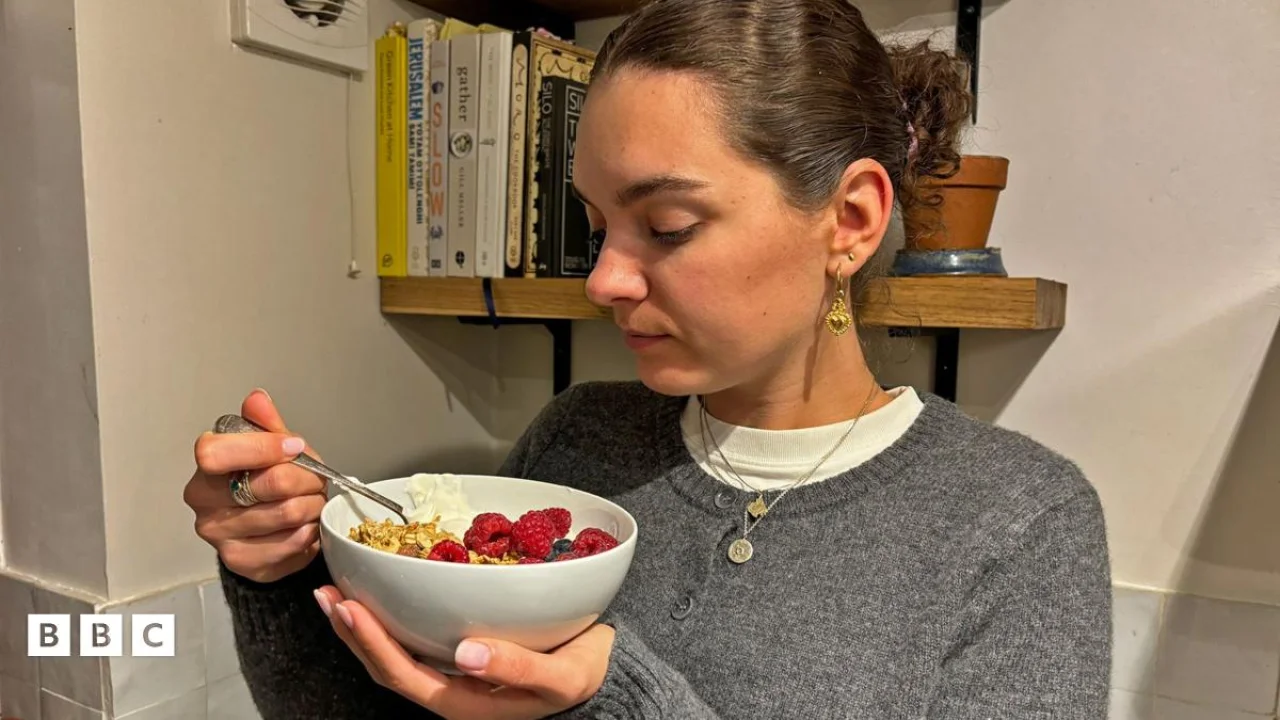
I used to grab whatever was quickest on my way out the door – a banana, maybe some toast if I was lucky. Sound familiar? Most mornings felt like a race against time, and by 10 AM, I’d be staring at the office vending machine, my stomach growling loudly enough to disturb my colleagues.

That’s when I decided to try something different. After reading about the benefits of protein-rich morning meals, I committed to eating high protein breakfasts for an entire week. What happened next completely changed how I think about starting my day.
The results were honestly surprising. Not just the obvious stuff like feeling fuller longer, but changes I never expected – from my energy levels to my afternoon cravings. Here’s exactly what I discovered during my week-long experiment.

What Makes a Breakfast High in Protein?
Before diving into my daily experiences, let me explain what actually counts as a high protein breakfast. Most nutrition experts recommend aiming for 20-30 grams of protein in your morning meal, which is significantly more than the typical cereal or toast provides.
“When we eat adequate protein at breakfast, it helps stabilize blood sugar levels and keeps hunger hormones in check throughout the morning,” explains registered dietitian Sarah Chen. “This sets up a positive cascade for the entire day.”

The key is choosing complete proteins that contain all essential amino acids. Think eggs, Greek yogurt, lean meats, or plant-based options like quinoa and hemp seeds. I focused on real, whole foods rather than protein powders or processed bars.
What surprised me most was how creative I had to get. High protein breakfasts forced me out of my usual routine and into actually planning my mornings. No more grabbing whatever was easiest – this required some serious meal prep.

My Daily High Protein Breakfast Adventures
Each day brought new discoveries about how different protein sources affected my energy and hunger levels. Here’s what my week looked like:
| Day | Breakfast | Protein Content | Hunger Level (1-10) |
|---|---|---|---|
| Monday | 3-egg spinach omelet with cheese | 28g | 2 (barely hungry at lunch) |
| Tuesday | Greek yogurt with almonds and berries | 25g | 3 (comfortable until noon) |
| Wednesday | Cottage cheese pancakes | 22g | 4 (slight hunger around 11 AM) |
| Thursday | Smoked salmon on avocado toast | 24g | 3 (satisfied through morning) |
| Friday | Protein-packed smoothie bowl | 26g | 5 (wanted snack by 10:30) |
| Saturday | Turkey and veggie scramble | 30g | 1 (forgot about food until 1 PM) |
| Sunday | Quinoa breakfast bowl | 21g | 4 (light hunger before lunch) |
The biggest revelation? Eggs were my hunger-crushing champions. Something about the combination of protein and healthy fats kept me satisfied for hours. Dr. Michael Rodriguez, a sports nutritionist, told me this makes perfect sense: “Eggs contain leucine, an amino acid that’s particularly effective at signaling satiety to your brain.”

- Monday’s omelet kept me full until 2 PM without even thinking about food
- The cottage cheese pancakes were delicious but didn’t have the same staying power
- Smoothie bowls, despite their Instagram appeal, left me wanting more within hours
- Saturday’s turkey scramble was so filling I had to remind myself to eat lunch
What caught me off guard was how much my afternoon energy improved. Usually, I’d hit a wall around 3 PM and need either caffeine or sugar to push through. During my high protein breakfast week, those crashes practically disappeared.
The Unexpected Side Effects That Changed Everything
Beyond the obvious hunger benefits, eating high protein breakfasts triggered changes I never saw coming. My skin looked clearer by day four – something I hadn’t anticipated at all.
My sleep quality improved dramatically. “Protein helps regulate neurotransmitters that control our sleep-wake cycle,” notes sleep specialist Dr. Jennifer Walsh. “When you start your day with adequate protein, it can positively impact your evening rest.”
The mental clarity was perhaps the most noticeable change. That morning brain fog I’d accepted as normal? Gone by day three. I found myself more focused during meetings and actually excited about tackling challenging projects before noon.
My afternoon sugar cravings virtually disappeared. Usually, I’d be eyeing the office candy bowl by 2 PM. During this experiment, I genuinely forgot it existed. This wasn’t willpower – I simply didn’t want it anymore.
- Energy levels stayed consistent from morning until evening
- Mood felt more stable throughout the day
- Digestive issues I’d been having improved significantly
- Exercise performance got noticeably better
The preparation time was initially challenging, but I discovered shortcuts. Sunday meal prep became my secret weapon. I’d hard-boil eggs, portion out Greek yogurt, and prep veggie combinations for quick morning assembly.
“The beauty of high protein breakfasts is that they create a positive feedback loop,” explains nutritionist Amanda Foster. “When you feel satisfied and energized, you’re more likely to make good choices throughout the day.”
By the end of the week, I realized this wasn’t just about breakfast anymore. The ripple effects touched every aspect of my daily routine, from my workout intensity to my evening meal choices. High protein breakfasts had become the anchor that stabilized my entire day.
FAQs
How much protein should I aim for in a high protein breakfast?
Most nutrition experts recommend 20-30 grams of protein for optimal satiety and energy benefits.
Can I get enough protein from plant-based sources?
Absolutely! Quinoa, hemp seeds, chia seeds, and plant-based protein powders are excellent options for vegetarians and vegans.
Will eating more protein at breakfast help me lose weight?
High protein breakfasts can support weight management by reducing hunger and preventing overeating later in the day, but individual results vary.
How long does it take to notice the benefits?
Most people report feeling more satisfied within the first few days, with energy and mood improvements becoming apparent within a week.
Are high protein breakfasts expensive?
Not necessarily! Eggs, Greek yogurt, and canned fish are affordable protein sources that can fit most budgets with smart shopping.
What if I don’t have time for elaborate breakfast preparation?
Many high protein options are quick and simple – hard-boiled eggs, Greek yogurt with nuts, or overnight oats with protein powder can all be prepared in advance.
About the Author