Maria Gonzalez stared at her electric bill in disbelief. The single mother from Buffalo watched the numbers blur as tears filled her eyes—$347 for January alone. With her part-time job at a local grocery store barely covering rent and groceries, she faced an impossible choice: keep the heat on for her two young children or risk having her power shut off entirely.

She’s not alone. Last month, Maria joined more than 400,000 New York households who lost their gas or electric service because they simply couldn’t afford to pay their bills anymore.
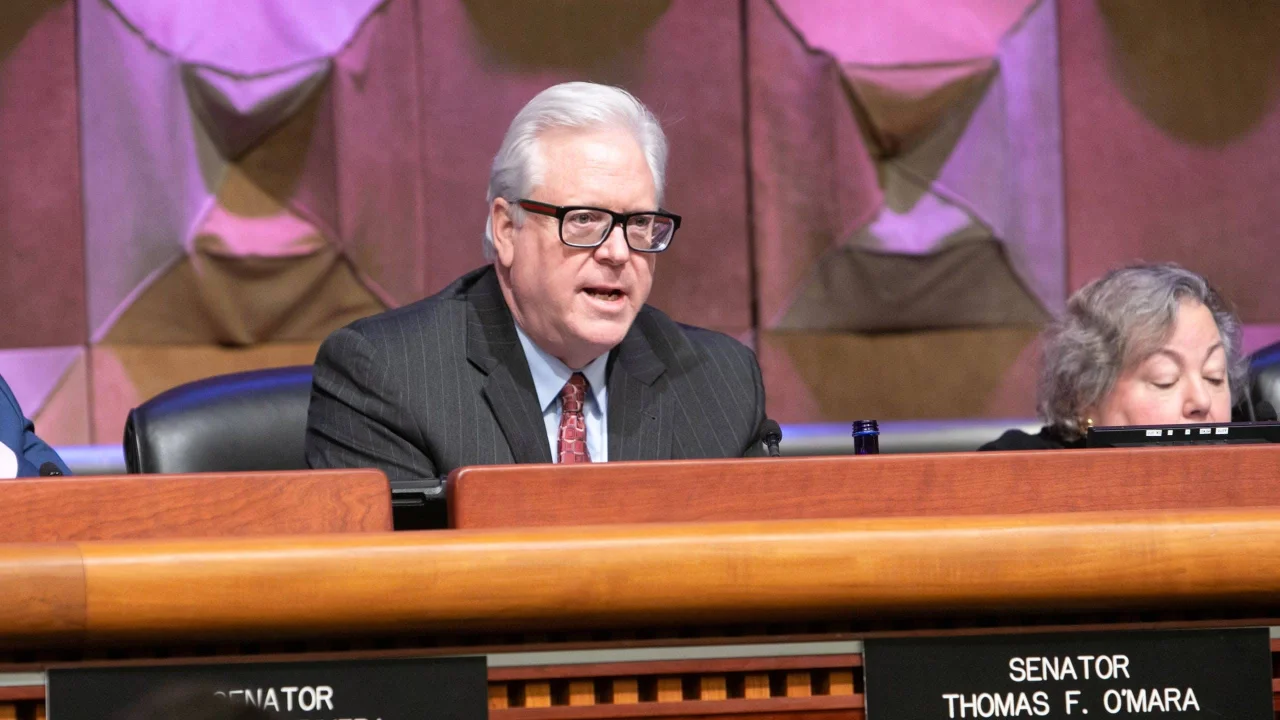
This crushing reality has caught the attention of lawmakers like State Senator Tom O’Mara, who argues that New Yorkers desperately need immediate energy cost relief before more families face the same devastating choice.
The Breaking Point Has Arrived for New York Families
The numbers tell a stark story that goes beyond statistics—they represent real families making impossible decisions every day. According to recent state records, 408,898 households had their energy service terminated in 2025 alone.
Senator O’Mara points to this figure as clear evidence that energy costs have spiraled completely out of control. Over the past two years, his office has been flooded with calls from constituents struggling with utility bills that eat up an increasingly large chunk of their monthly income.
“We’re seeing grandparents choosing between medications and heating their homes,” O’Mara explains. “Working families are bundling up inside their own houses because they can’t afford to turn up the thermostat.”
The situation has become so dire that even extreme weather events now trigger widespread power failures. Just last week, the village of Watkins Glen experienced a complete blackout when freezing temperatures forced residents to crank up their electric heat, overloading the entire system.
What’s Driving These Sky-High Energy Costs?
The root of New York’s energy crisis traces back to policy decisions made in Albany, particularly the Climate Leadership and Community Protection Act (CLCPA) passed in 2019. While environmental goals drove the legislation, O’Mara argues the real-world costs have made life unaffordable for ordinary New Yorkers.
Here’s how New York’s energy costs compare to the rest of the nation:
| Energy Cost Comparison | New York | National Average |
|---|---|---|
| Residential Electricity Rates | 50% higher | Baseline |
| Rate Increase (Past Year) | 7.6% | 3.2% |
| Rate Increase (Since CLCPA) | 45% | 22% |
The key factors pushing costs higher include:
- Mandatory renewable energy transitions that require massive infrastructure investments
- Fees and surcharges added to every bill to fund state climate programs
- Grid instability issues that lead to expensive emergency repairs and upgrades
- Regulatory compliance costs passed directly to consumers
“The state’s current energy direction under the CLCPA simply isn’t affordable, feasible, or reliable,” O’Mara states bluntly. “We’re forcing working families to subsidize an energy experiment they can’t afford to participate in.”
A Legislative Push for Immediate Relief
Recognizing the urgency of the situation, O’Mara has joined Senate Republican colleagues in promoting a comprehensive legislative package called “Affordable Energy, Not Albany Mandates.” The plan directly addresses what they describe as some of the highest energy rates in the nation.
The package includes several targeted measures designed to provide immediate energy cost relief:
- Returning unspent ratepayer funds directly to customers as bill credits
- Requiring full disclosure of how energy fees are calculated and spent
- Eliminating unnecessary regulatory burdens that drive up costs
- Creating oversight mechanisms to prevent future rate spikes
One particularly promising component involves O’Mara’s legislation to require NYSERDA’s Climate Investment Account to return surplus funds to ratepayers. The state agency’s 2025 Financial Plan revealed a staggering $2.4 billion in unspent funds sitting unused while families struggle to pay their bills.
“That money came from ratepayers in the first place,” O’Mara emphasizes. “If the state isn’t using it for its intended purpose, it should go back to the people who paid for it through higher energy bills.”
Who Pays the Price When Energy Costs Soar?
The impact of New York’s energy crisis hits different communities in vastly different ways, but working families and seniors bear the heaviest burden. Fixed-income households find themselves trapped between rising energy costs and stagnant benefits.
Small businesses face equally tough choices. Restaurant owners report energy bills that sometimes exceed their food costs, forcing them to raise menu prices or reduce hours. Manufacturing companies consider relocating to states with more affordable energy, taking jobs with them.
“We’re literally pricing families and businesses out of New York,” warns energy policy analyst Sarah Chen. “When people can’t afford to heat their homes or businesses can’t afford to operate, we have a fundamental problem with our energy policy.”
Rural communities face additional challenges since they often lack access to alternative energy sources or competitive suppliers. Many depend on older, less efficient heating systems that consume more energy, amplifying the impact of rate increases.
The ripple effects extend beyond individual hardship. When 400,000+ households lose energy service, it strains social services, increases healthcare costs due to cold-related illnesses, and forces families to make dangerous decisions like using unsafe heating alternatives.
Meanwhile, the Ratepayer Disclosure and Transparency Act would require utilities to clearly explain exactly how fees and surcharges on energy bills get calculated and spent. Many consumers have no idea that significant portions of their monthly bills fund programs they never agreed to support.
“Transparency should be the bare minimum,” argues consumer advocate Mike Rodriguez. “People deserve to know exactly what they’re paying for and why their bills keep going up every month.”
The legislative package represents more than political posturing—it offers concrete steps toward energy cost relief that could provide immediate help to struggling families. However, success depends on building bipartisan support in a legislature where environmental concerns often overshadow affordability issues.
As winter continues and heating bills climb, the pressure for action intensifies. Families like Maria’s can’t wait for long-term solutions when they’re facing shut-off notices today.
FAQs
How many New York households lost energy service due to unpaid bills?
More than 408,000 households had their gas or electric service shut off in 2025 because they couldn’t afford to pay their bills.
How much higher are New York’s electricity rates compared to other states?
Residential electricity rates in New York are 50% higher than the national average, with rates increasing 7.6% in just the past year.
What is the CLCPA and how does it affect energy costs?
The Climate Leadership and Community Protection Act, passed in 2019, mandates renewable energy transitions that have contributed to a 45% increase in electricity rates since taking effect.
What would the “Affordable Energy, Not Albany Mandates” package do?
The legislative package would return unspent ratepayer funds as bill credits, require transparency in rate calculations, and eliminate unnecessary regulatory costs that drive up energy bills.
How much money is sitting unused in NYSERDA’s Climate Investment Account?
NYSERDA’s 2025 Financial Plan showed $2.4 billion in unspent ratepayer funds that could potentially be returned to customers as bill credits.
What happened during the Watkins Glen power outage?
The entire village lost power on February 7 when extreme cold temperatures caused residents to increase electric heating use, overloading the system and causing a complete blackout.
About the Author