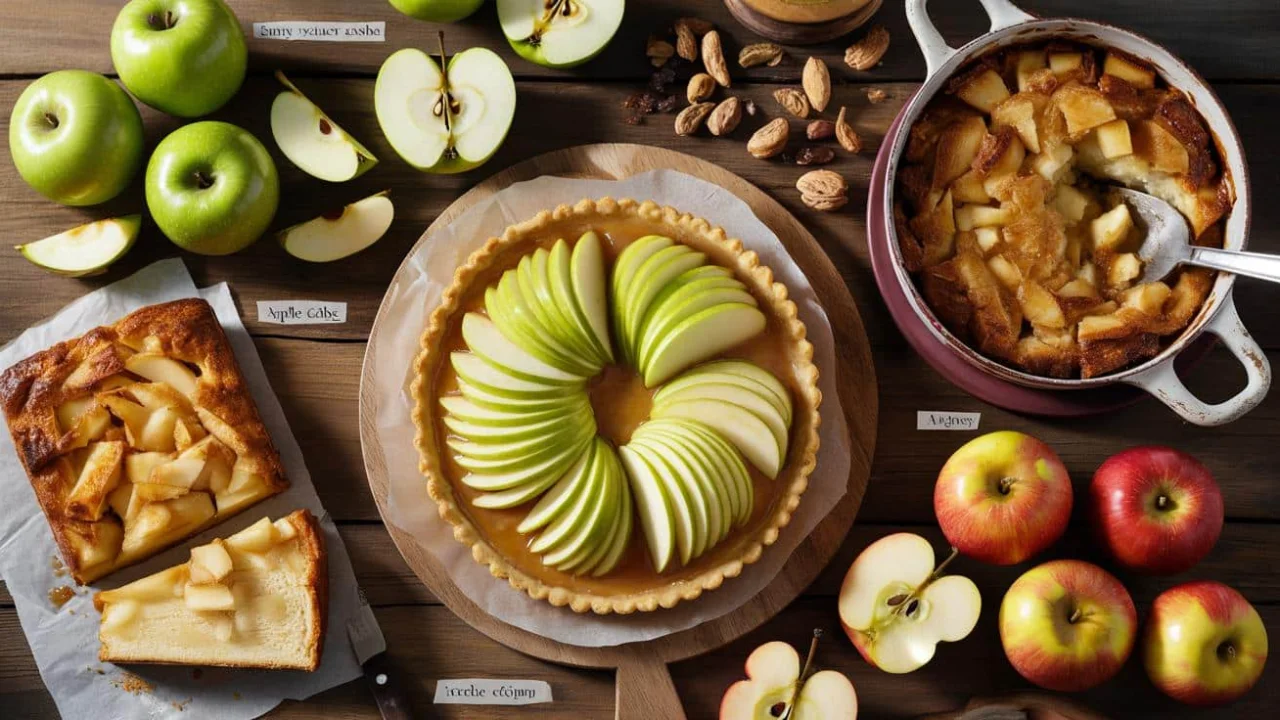
Last Tuesday, I watched my neighbor Sarah pull a gorgeous apple crisp from her oven, the kitchen filled with cinnamon and butter aromas that made my mouth water. When I asked for her secret, she laughed and said, “Honey, it’s all about the apples.” She opened her pantry to reveal three different apple varieties, each labeled with masking tape: “For pies,” “For sauce,” and “For eating.” That’s when it hit me—I’d been treating all apples the same, wondering why my desserts sometimes turned out soggy or flavorless.

Most of us grab whatever apples look good at the store, but that’s like using the same flour for bread and cake. Different apple varieties for baking can make or break your dessert, and once you understand which apple does what, your baking game changes completely.
The truth is, your grandmother wasn’t just lucky with her apple pies. She knew something we’ve forgotten in our rush through modern grocery stores.

Why your desserts depend on picking the right apple variety
Not all apples behave the same way when heat hits them. Some varieties hold their shape like champions, while others turn to mush faster than you can say “apple butter.” The difference comes down to pectin content, acid levels, and cell structure.
“The biggest mistake home bakers make is assuming any apple will work,” says pastry chef Maria Rodriguez from The Culinary Institute. “A McIntosh might be perfect for your morning snack, but it’ll turn your tart into apple soup.”

Here’s what happens: apples with high pectin and firm cell walls maintain structure during baking. Low-pectin varieties break down quickly, creating that mushy texture nobody wants in their pie. Meanwhile, sugar content and acidity determine whether your dessert tastes vibrant or falls flat.
Think of it like casting actors for different roles. You wouldn’t put a comedian in a serious drama, and you shouldn’t put a delicate apple in a robust pie filling.

The complete breakdown of apple varieties for every dessert
Understanding which apples excel in different situations will transform your baking. Here’s your complete guide to matching apple varieties with their perfect dessert partners:
| Apple Variety | Best For | Texture After Baking | Flavor Profile |
|---|---|---|---|
| Granny Smith | Pies, tarts, crisps | Holds shape well | Tart, balances sweetness |
| Honeycrisp | Eating fresh, light baking | Can get soggy | Sweet with mild tartness |
| Braeburn | Pies, cobblers | Firm, reliable | Spicy-sweet, complex |
| Golden Delicious | Sauce, soft desserts | Breaks down easily | Mild, sweet |
| Northern Spy | Pies, turnovers | Excellent shape retention | Tart, wine-like |
| Jonagold | Cakes, muffins | Moderately firm | Honey-sweet with tang |
The powerhouse varieties for serious baking include:

- Granny Smith: The gold standard for pies. High acid content prevents browning and adds brightness to sweet desserts
- Northern Spy: Baker’s favorite for structure. These apples practically refuse to turn to mush
- Braeburn: Complex flavor that deepens with cooking. Perfect when you want sophistication in your dessert
- Rome Beauty: Holds shape beautifully and has skin that won’t peel off during baking
- Mutsu (Crispin): Large, firm apples with honey undertones that work in everything from pies to bread
“I always tell my students to think about the end result they want,” explains baking instructor Tom Chen. “Chunky apple filling? Go for Granny Smith or Northern Spy. Smooth, integrated apple flavor? Golden Delicious or McIntosh will melt right in.”
How apple choice affects your kitchen success
The impact of choosing the right apple varieties for baking extends far beyond taste. It affects texture, appearance, cooking time, and even how your dessert holds up the next day.
Consider apple pie filling. Using soft apples like Red Delicious creates a filling that shrinks dramatically during baking, leaving you with a gap between crust and filling. Your beautiful lattice top collapses, and the whole pie looks deflated. Firm apples maintain volume, keeping your crust supported and your presentation intact.
Moisture content varies dramatically between varieties too. Juicy apples can make pie crusts soggy, while drier varieties might leave your cake feeling dense. Understanding these characteristics helps you adjust other ingredients accordingly.
“The best apple desserts use a blend of two or three varieties,” notes cookbook author Jennifer Walsh. “You get complexity of flavor and the perfect balance of textures. One variety for structure, another for sweetness, maybe a third for that pop of acidity.”
Here are practical combinations that work every time:
- Classic Apple Pie: 60% Granny Smith, 40% Golden Delicious
- Apple Crisp: Equal parts Braeburn and Northern Spy
- Apple Cake: Jonagold mixed with a touch of Granny Smith
- Apple Sauce: McIntosh with a few Honeycrisp for sweetness
Timing matters too. Firm apples need longer cooking times but reward you with better texture. Soft varieties cook quickly but can turn mushy if you’re not careful. Plan your baking time around your apple choice, not the other way around.
Storage plays a role in your final result as well. Fresh, crisp apples perform better than those that have been sitting around. That bag of apples from three weeks ago might taste fine for snacking, but it won’t give you the structure you need for a stunning tart.
The seasonal aspect adds another layer of complexity. Fall apples just picked from orchards behave differently than storage apples available in spring. Fresh harvest apples often have higher acid content and firmer texture, while stored apples may have converted more starches to sugars.
“Seasonality affects everything about how apples bake,” explains orchard manager Lisa Thompson. “September Granny Smiths are quite different from February ones. Experienced bakers adjust their recipes slightly throughout the year.”
FAQs
Can I substitute one apple variety for another in recipes?
Yes, but expect different results. Stick within the same category—firm for firm, soft for soft—and adjust cooking times as needed.
What’s the worst apple for baking?
Red Delicious tops the list. It becomes mealy and flavorless when cooked, offering neither good texture nor taste.
Should I peel apples for baking?
It depends on the dessert. Pies and tarts benefit from peeled apples, while rustic crisps and cakes can handle peels for extra nutrition and texture.
How many apple varieties should I mix in one dessert?
Two to three varieties create the best balance. More than that and flavors can get muddy.
Do organic apples bake differently than conventional?
Not significantly. Focus on variety and freshness rather than growing method for baking purposes.
Can I use the same apples for sweet and savory dishes?
Absolutely. Granny Smith and Braeburn work beautifully in both apple pies and pork dishes, while Honeycrisp shines in salads and light desserts.
About the Author
