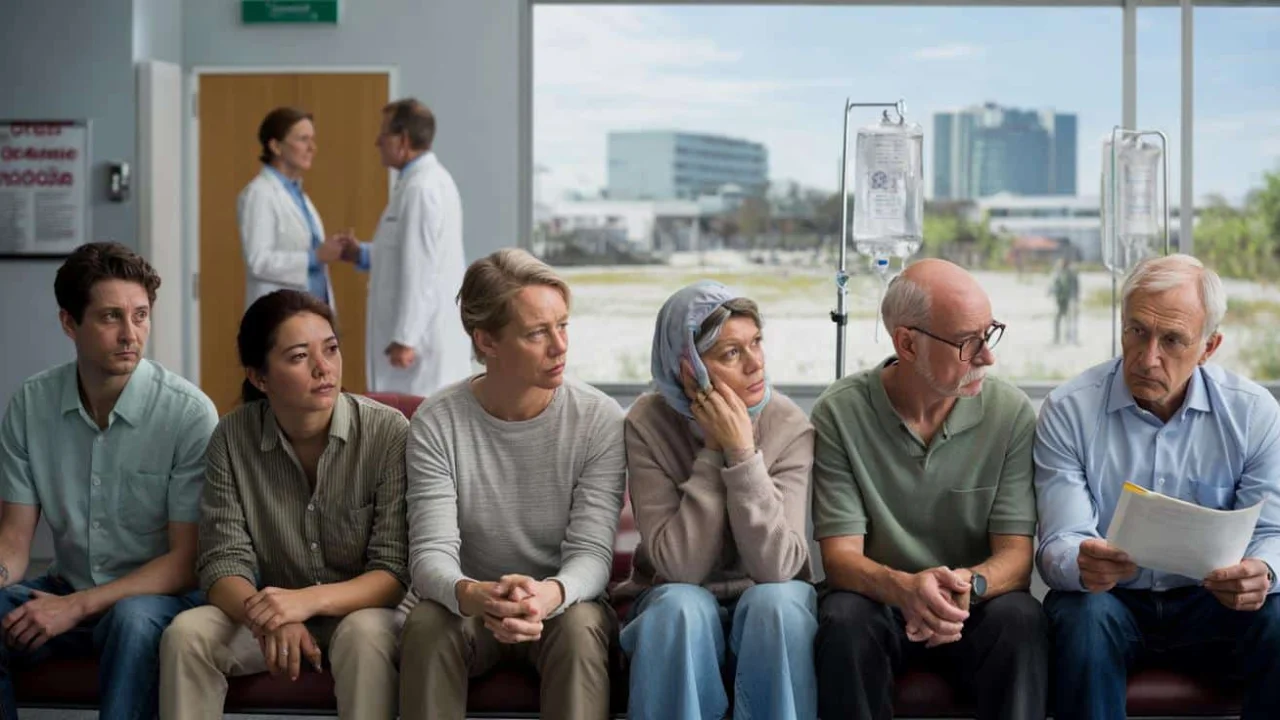
Maria Schneider was having coffee with her neighbor when the call came. Her doctor’s office wanted to schedule a follow-up appointment after her routine mammogram. “It’s probably nothing,” she told herself, but the knot in her stomach suggested otherwise. At 58, Maria had always considered herself healthy – regular exercise, good diet, no family history of cancer.
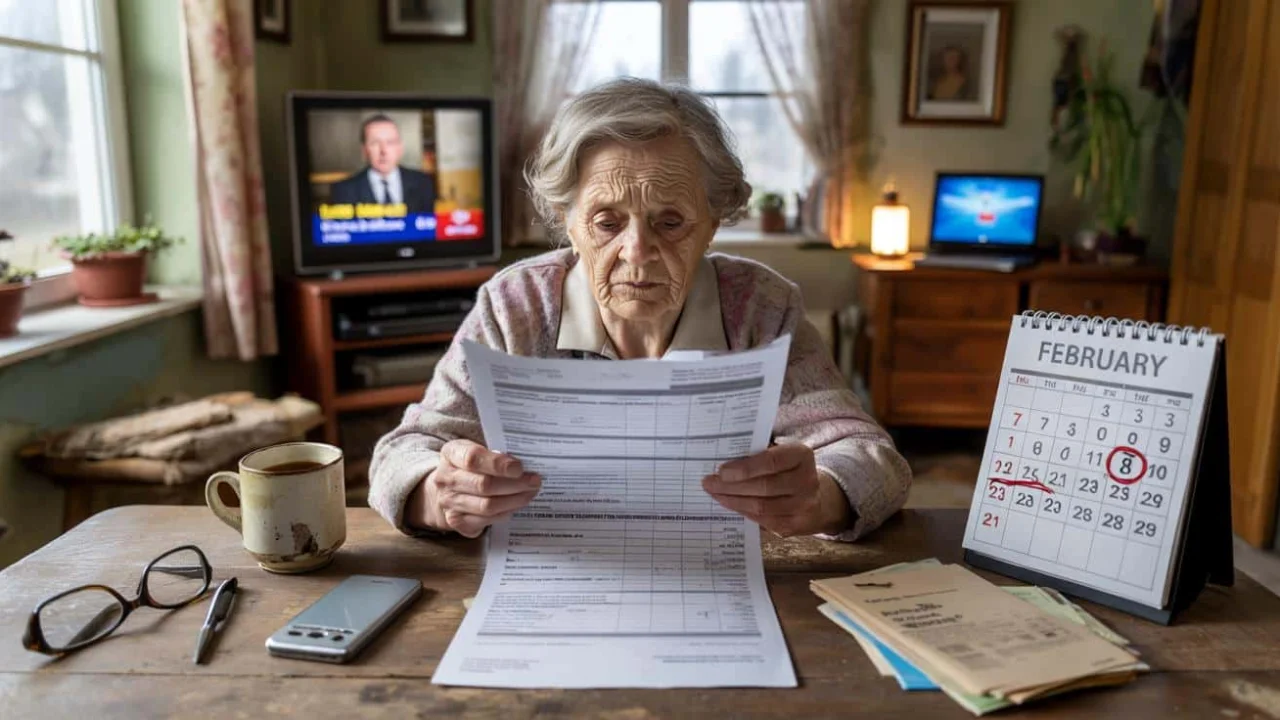
Three weeks later, Maria joined a statistic that’s becoming frighteningly common in Germany. She received a cancer diagnosis, becoming one of the hundreds of thousands of Germans who hear those life-changing words each year. What Maria didn’t know was just how routine her experience has become.
The latest data from Germany’s Robert Koch Institute (RKI) reveals a sobering reality: cancer is no longer the rare misfortune we once thought it was. Instead, it’s becoming an expected part of life for nearly half the population.

The Numbers That Change Everything
When health officials released their latest cancer statistics, the figures stopped many people in their tracks. A cancer diagnosis in Germany is now so common that it’s almost a coin flip whether you’ll face one in your lifetime.
The RKI’s analysis shows that 49% of German men and 43% of German women will receive a malignant cancer diagnosis at some point during their lives. That means if you’re sitting in a room with three other people, at least two of you will likely hear the word “cancer” from a doctor.

“We’re looking at numbers that fundamentally change how we think about cancer prevention and healthcare planning,” explains Dr. Klaus Weber, an oncologist at Munich University Hospital. “This isn’t about rare cases anymore – it’s about preparing for what’s becoming a normal life event.”
But the statistics get even more concerning when you look at younger age groups. Roughly one in six women and one in seven men in Germany receive their cancer diagnosis before reaching retirement age at 65. That means cancer is increasingly hitting people during their most productive years – when they’re raising children, building careers, and contributing most to the economy.
Breaking Down the Reality of Cancer in Germany
The scope of cancer diagnoses in Germany becomes clearer when you examine the annual numbers. In 2023 alone, an estimated 517,800 people received a new cancer diagnosis. That’s more than the entire population of cities like Nuremberg or Dresden.
Here’s how the cancer burden breaks down across different demographics:

| Age Group | Men | Women | Most Common Types |
|---|---|---|---|
| Under 50 | 8.2% | 11.7% | Breast, Testicular, Melanoma |
| 50-65 | 14.3% | 16.8% | Prostate, Breast, Colorectal |
| Over 65 | 26.5% | 15.5% | Prostate, Lung, Colorectal |
The most frequently diagnosed cancers paint a clear picture of what Germans are facing:
- Breast cancer leads among women with approximately 70,000 new cases annually
- Prostate cancer dominates male diagnoses with around 65,000 new cases
- Colorectal cancer affects both sexes significantly with about 58,000 cases
- Lung cancer remains deadly with roughly 57,000 new diagnoses yearly
- Skin cancer, including melanoma, continues rising with over 40,000 cases
“The pattern we’re seeing reflects both our aging population and improved diagnostic capabilities,” notes Dr. Angela Hoffmann from the German Cancer Research Center. “We’re catching more cancers earlier, but we’re also living long enough to develop cancers that previous generations never faced.”
Regional differences also play a role. Northern German states show higher rates of lung cancer, likely reflecting historical smoking patterns, while southern regions see more skin cancer cases, possibly due to lifestyle and sun exposure differences.
What This Means for Your Daily Life
These aren’t just abstract statistics – they represent a fundamental shift in how Germans need to think about their health and future planning. When almost half the population can expect a cancer diagnosis, it changes everything from insurance considerations to career planning.
The economic impact ripples through society in ways most people don’t immediately recognize. Cancer diagnoses before retirement age don’t just affect patients and their families – they strain the entire social safety net. Workers leave the job market earlier, requiring more disability benefits and drawing less into pension funds.
“We’re seeing cancer transform from a medical issue into a major socioeconomic challenge,” explains health economist Dr. Thomas Mueller. “When this many people face cancer during their working years, it affects productivity, healthcare costs, and long-term financial planning for individuals and society.”
For families, the implications are equally profound. Parents now need to consider the realistic possibility that one or both might face cancer while still raising children or caring for aging parents. This sandwich generation faces unique pressures that previous generations rarely encountered.
The healthcare system itself is adapting to this new reality. Hospitals are expanding oncology departments, and primary care physicians are scheduling more frequent screening appointments. Cancer treatment is shifting from crisis response to routine medical care – a change that requires entirely different approaches to staffing, equipment, and patient flow.
Prevention strategies are also evolving. Rather than targeting high-risk groups, public health campaigns now focus on the general population. Regular screening isn’t just recommended anymore – it’s becoming essential for anyone who wants to catch cancer early enough for successful treatment.
“The silver lining is that survival rates continue to improve,” adds Dr. Weber. “Getting a cancer diagnosis today is completely different from what it meant even a decade ago. But the sheer volume of cases means we need to rethink everything from hospital capacity to support services.”
For individuals, this data suggests that cancer preparation should be as routine as retirement planning. That means maintaining good relationships with healthcare providers, understanding your insurance coverage for cancer treatment, and perhaps most importantly, not delaying recommended screenings.
FAQs
Why are cancer rates so high in Germany compared to other countries?
Germany has excellent cancer detection systems and an aging population, which means more cancers are discovered and people live long enough to develop age-related cancers.
Does this mean cancer prevention doesn’t work?
Prevention absolutely works for reducing risk, but these statistics reflect lifetime probability including age-related cancers that are harder to prevent completely.
Are survival rates improving along with diagnosis rates?
Yes, five-year survival rates have improved significantly over the past decade for most cancer types, meaning more people are living full lives after diagnosis.
Should young people worry about these statistics?
Young people should focus on known prevention methods like avoiding smoking, maintaining healthy weight, and following screening guidelines rather than worrying about statistics.
How reliable are these lifetime risk calculations?
The RKI uses sophisticated modeling based on current cancer registry data, making these among the most accurate projections available for the German population.
What’s driving the increase in cancer diagnoses?
The main factors are Germany’s aging population, better diagnostic technology finding more cancers early, and improved cancer registry reporting systems.
About the Author