Last spring, I stood in my backyard staring at my neglected compost bin with a mixture of guilt and frustration. The plastic container had become a breeding ground for fruit flies, and the contents looked more like a science experiment gone wrong than the rich, dark compost I’d dreamed of creating. That’s when my neighbor Sarah leaned over the fence and asked why I was torturing myself with that “plastic prison” when I could just let my garden do the work instead.
Three months later, I ditched the bin entirely and haven’t looked back since. My garden has transformed into something I barely recognize – lush, vibrant, and practically maintenance-free. The secret wasn’t buying better equipment or following complicated recipes. It was learning to work with nature instead of against it.
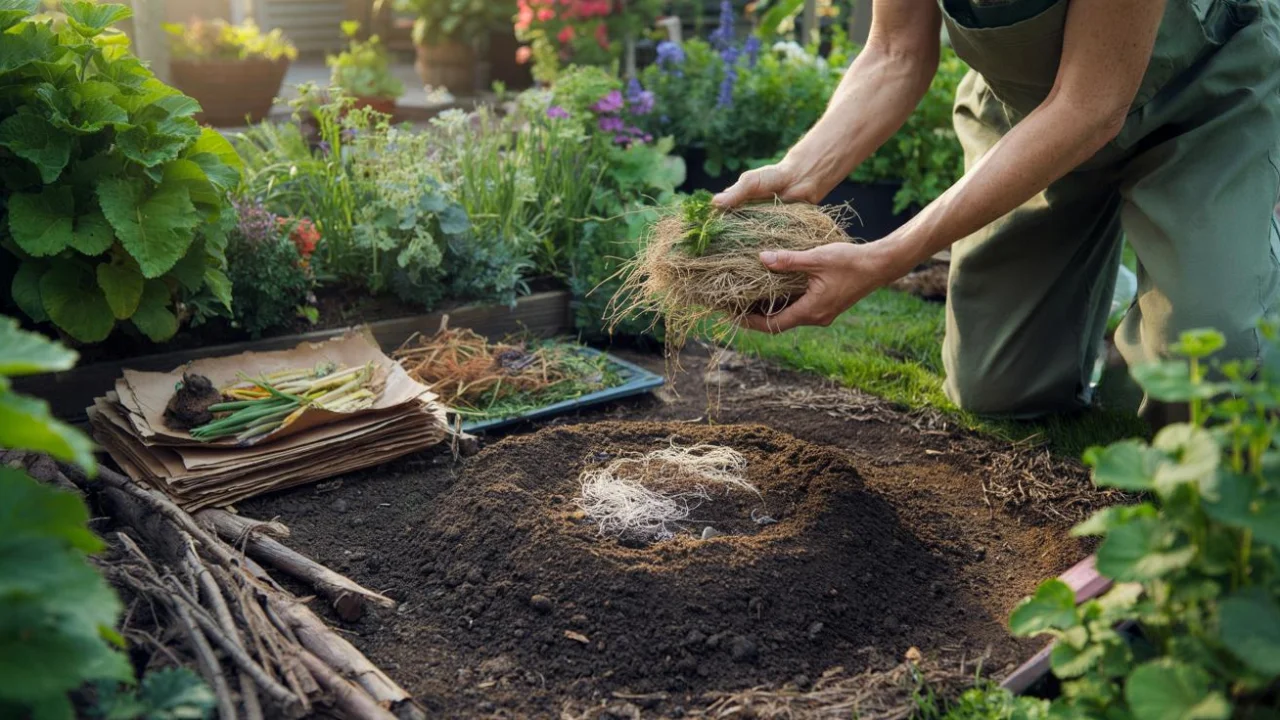
Sarah introduced me to soil composting, a technique that’s been quietly revolutionizing how home gardeners think about waste and fertility. Instead of wrestling with bins and ratios, you simply create designated spots in your garden where decomposition happens naturally underground.
Why Traditional Composting Feels Like a Second Job
Most of us start composting with the best intentions. We buy the bin, read the instructions, and promise ourselves we’ll be diligent about turning the pile every two weeks. Then reality hits.
Traditional composting demands constant attention. You need to balance carbon-rich “browns” like dry leaves with nitrogen-rich “greens” like vegetable scraps. The pile needs air, so you turn it regularly. It needs moisture, but not too much or it becomes anaerobic and smelly. Temperature matters too – too cold and nothing decomposes, too hot and beneficial microorganisms die.
“I spent more time managing my compost than I did actually gardening,” says Mark Thompson, a landscaper from Portland who switched to soil composting three years ago. “The bin was supposed to make my life easier, but it felt like having a needy pet.”
Soil composting eliminates these headaches by working with the natural decomposition processes already happening beneath our feet. Instead of creating artificial conditions in a container, you enhance what’s already occurring in living soil.
The Underground Workforce That Never Takes a Break
Every handful of healthy soil contains millions of organisms working around the clock to break down organic matter. Earthworms alone can process their body weight in organic material daily, creating nutrient-rich castings that plants love.
Here’s what makes soil composting so effective compared to traditional methods:
- Stable conditions: Underground temperatures remain consistent, preventing the extreme heat that can kill beneficial microorganisms
- Natural moisture regulation: Soil acts like a sponge, maintaining optimal moisture levels without your intervention
- Existing microbiology: The decomposer community is already established and thriving
- Direct root access: Plant roots can immediately access nutrients as they become available
- Zero maintenance: No turning, monitoring, or troubleshooting required
The process works by creating designated composting zones directly in your garden beds. You dig shallow trenches or simply clear small areas where you regularly add organic matter. The existing soil life takes over from there.
| Traditional Composting | Soil Composting |
|---|---|
| Requires turning every 2-3 weeks | Zero maintenance once established |
| 6-12 months to finished compost | Continuous nutrient release |
| Needs carbon/nitrogen balance monitoring | Soil naturally balances ratios |
| Risk of pest attraction and odors | Underground decomposition eliminates odors |
| Requires moving finished compost to beds | Nutrients stay exactly where plants need them |
“The beauty of soil composting is that you’re not fighting natural processes – you’re supporting them,” explains Dr. Jennifer Martinez, a soil scientist at UC Davis. “The soil ecosystem has been perfecting decomposition for millions of years. We just need to give it the raw materials.”
How This Simple Switch Transforms Your Garden
The benefits of soil composting extend far beyond convenience. Gardens that use this method typically show dramatic improvements in plant health, soil structure, and water retention.
Within weeks of starting soil composting, you’ll notice earthworm activity increasing dramatically. These natural tillers improve soil structure by creating tunnels that enhance drainage and root penetration. Their castings contain five times more nitrogen, seven times more phosphorus, and eleven times more potassium than the surrounding soil.
The continuous decomposition creates a slow-release fertilizer system that feeds plants exactly when they need nutrients. Unlike synthetic fertilizers that provide a quick burst followed by nothing, soil composting delivers steady nutrition throughout the growing season.
Water retention improves significantly as organic matter increases soil’s sponge-like qualities. This means less watering during dry spells and better plant survival during drought conditions.
“My water bill dropped noticeably after I started soil composting,” notes Karen Walsh, a home gardener from Phoenix. “The soil holds moisture so much better now, and my plants look healthier even in our brutal summers.”
Getting started requires minimal setup. Choose areas throughout your garden – between existing plants, along borders, or in dedicated zones. Dig shallow depressions about 6-8 inches deep and begin adding kitchen scraps, grass clippings, and fallen leaves.
Cover each addition with a thin layer of soil or existing mulch to prevent pest attraction and maintain aesthetics. Within days, the decomposer community will discover your offering and begin breaking it down.
The key difference from traditional composting is that you’re not trying to create perfect conditions – you’re working with what already exists. Add materials when you have them, in whatever quantities feel natural. The soil ecosystem will handle the rest.
Seasonal variations actually improve the process. Fall leaves provide carbon-rich material, spring grass clippings add nitrogen, and summer kitchen scraps contribute moisture and nutrients. Each season feeds the system differently, creating a naturally balanced cycle.
Plants growing near these composting zones show remarkable vigor. Root systems expand into the nutrient-rich areas, creating stronger, more resilient plants that better withstand weather stress and pest pressure.
FAQs
Won’t soil composting attract pests to my garden?
Underground decomposition actually reduces pest attraction compared to surface composting, and covering scraps with soil eliminates most odor and visual cues that draw unwanted visitors.
How much organic matter should I add to each composting zone?
Start with whatever you naturally generate – kitchen scraps, yard waste, and fallen leaves work perfectly, with no need to measure or calculate ratios.
Can I use soil composting in containers or raised beds?
Yes, the technique works well in any soil-based growing system, though you may need to refresh container soil more frequently to maintain the microbial community.
How long does it take to see results from soil composting?
Most gardeners notice improved soil texture and plant health within 4-6 weeks, with dramatic improvements becoming obvious by the following growing season.
What materials should I avoid adding to soil composting zones?
Skip meat, dairy, and oils which can create odor problems, along with diseased plant material that might spread pathogens through your garden.
Do I need to add anything special to get soil composting started?
Healthy soil already contains everything needed for decomposition – just add organic matter and let the existing soil life do the work.
About the Author
