I was standing in my kitchen at 9 PM, looking at the same mess I’d cleaned up that morning. Coffee mugs on the counter. Kids’ backpacks dumped by the door. Mail scattered across the dining table like confetti. My shoulders ached from constantly picking up the same things in the same places, day after day.

That night, I realized something that changed everything: I wasn’t actually bad at cleaning. I was just organizing my home like it was a magazine photo instead of a place where real people actually lived.
The shift I made was tiny, but it cut my daily cleaning workload in half. Instead of fighting against how my family naturally used our space, I started working with it.

Why Traditional Room-Based Organization Fails Real Families
Most of us organize our homes the way we were taught: kitchen stuff goes in the kitchen, bedroom stuff stays in the bedroom. But that’s not how we actually live.
Think about your morning routine. You probably grab coffee from the kitchen, check mail near the front door, charge your phone wherever you remember to plug it in, and toss your coat on whatever surface is closest when you walk in.

“The biggest mistake people make is organizing for an ideal life instead of their actual life,” says Maria Santos, a professional organizer with 15 years of experience. “When you fight against natural patterns, you create more work for yourself.”
The breakthrough came when I stopped organizing by room and started organizing by activity. Instead of forcing everything into traditional categories, I created what I call “activity zones” – small, specific areas designed around the things my family actually does every day.

This approach dramatically reduced my cleaning workload because items finally had logical homes. When everything has an obvious place that matches how you use it, putting things away becomes automatic instead of a chore.
The Activity Zone System That Actually Works
Here’s how the activity zone system works in practice. Instead of thinking about rooms, you think about the repetitive tasks that create mess in your home.

| Traditional Approach | Activity Zone Approach | Result |
|---|---|---|
| Kitchen counter for everything | Drop zone by front door | Keys, sunglasses, mail have designated spots |
| Coffee supplies scattered | Coffee station with everything together | One location for mugs, pods, sugar, filters |
| Charging cables everywhere | Central charging station | All devices charge in one convenient spot |
| Snacks in random cabinets | Snack zone in pantry or cabinet | Kids can find and put away snacks independently |
| Homework supplies scattered | Homework station with paper, pens, supplies | Everything needed for school tasks in one place |
The key zones that made the biggest difference in my cleaning workload were:
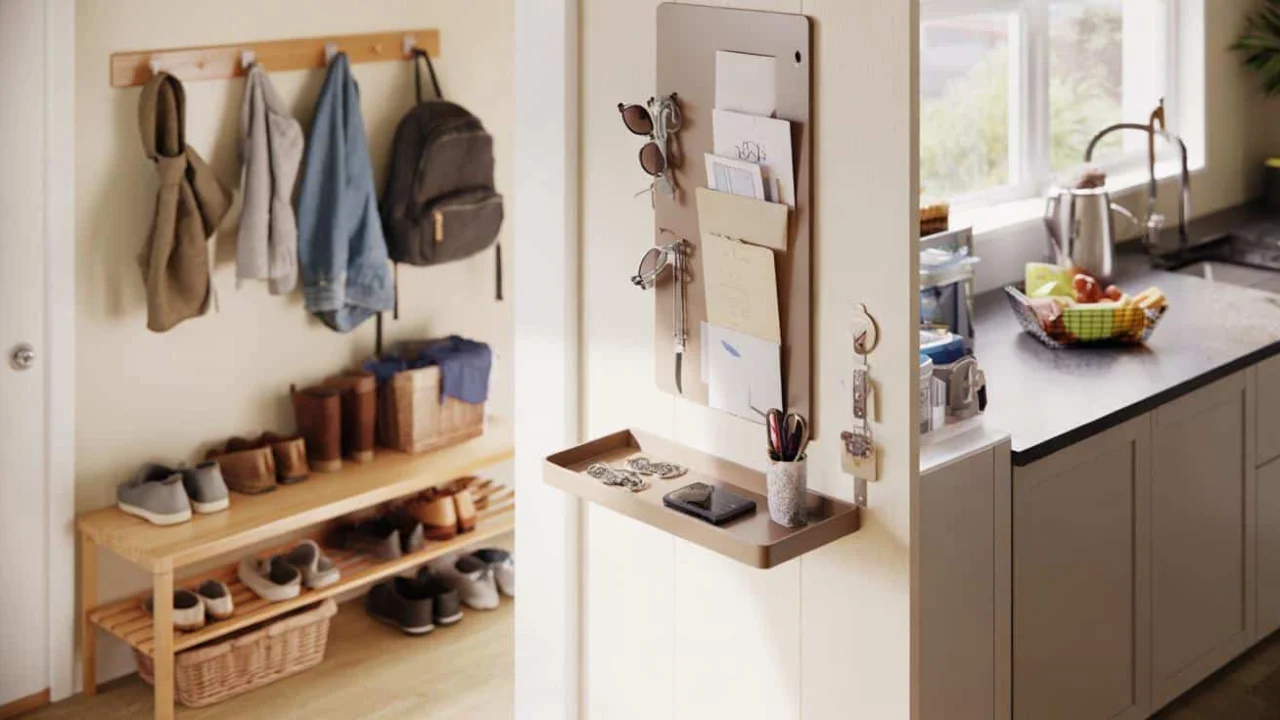
- Drop Zone: Right by the front door with hooks, a small table, and compartments for keys, sunglasses, and everyday carry items
- Coffee Station: All coffee supplies, mugs, and accessories in one cabinet or counter area
- Launchpad: Where backpacks, sports gear, and tomorrow’s essentials get staged the night before
- Charging Hub: One power strip with multiple cables where all devices get plugged in overnight
- Mail Processing Center: Immediate sort area with trash, recycling, action pile, and filing spot
“When you organize around activities instead of arbitrary room boundaries, you’re working with human behavior rather than against it,” explains Tom Richardson, a productivity consultant who specializes in home systems.
The magic happens because each zone eliminates decision fatigue. Instead of wondering where something goes, family members instinctively know. Keys always go in the drop zone tray. Phones always charge at the charging station. Mail gets sorted immediately instead of creating paper piles.
How This Simple Change Transforms Daily Life
The impact on my cleaning workload was immediate and dramatic. Instead of spending 20 minutes every evening doing a “house reset” – walking around collecting random items and putting them away – I now spend maybe 5 minutes.
More importantly, the mess stopped regenerating as quickly. When family members know exactly where things belong, they naturally start putting items away instead of just setting them down wherever is convenient.
“The goal isn’t perfection,” says Jennifer Walsh, a mother of three who implemented similar zones in her home. “It’s reducing the constant, low-level maintenance that drains your energy every single day.”
My kids, who used to leave backpacks and shoes scattered throughout the house, now automatically use the launchpad area. My husband stops dumping pocket contents on the kitchen counter because the drop zone is actually more convenient.
The system works because it acknowledges reality: people will always need places to set things down, charge devices, sort mail, and prepare for the next day. Instead of fighting these patterns, activity zones make them productive.
Setting up activity zones doesn’t require buying new furniture or completely reorganizing your home. Most zones can be created with items you already have – a tray, a small basket, a power strip, or just designating one shelf or drawer for a specific purpose.
The biggest benefit isn’t just the reduced cleaning workload, though that’s certainly noticeable. It’s the mental relief of living in a space that works with your family’s natural rhythms instead of constantly working against them.
Start with the one area that creates the most daily frustration in your home. Create a simple, obvious system around that activity, and watch how quickly the cleaning workload in that area decreases. Then gradually add zones for other repetitive tasks.
“Small organizational changes that align with how you actually live create the biggest long-term impact,” notes Richardson. “You’re not changing your behavior – you’re just giving your existing habits better infrastructure.”
FAQs
How long does it take to set up activity zones?
Most zones can be created in 15-30 minutes using items you already have at home.
Do I need to buy special organizers or furniture?
Not necessarily. Start with simple solutions like trays, baskets, or designated drawers before investing in new storage.
What if my family doesn’t use the zones I create?
Watch where items naturally accumulate and create zones there, rather than where you think they should go.
How many activity zones should I start with?
Begin with one or two zones in your biggest problem areas, then add more gradually as the first ones become habits.
Can this work in small apartments or homes?
Yes, activity zones can be as simple as a designated corner of a counter or one shelf in a closet.
How do I maintain the zones once they’re established?
Spend 2-3 minutes each evening doing a quick zone check, returning any misplaced items to their designated spots.
About the Author