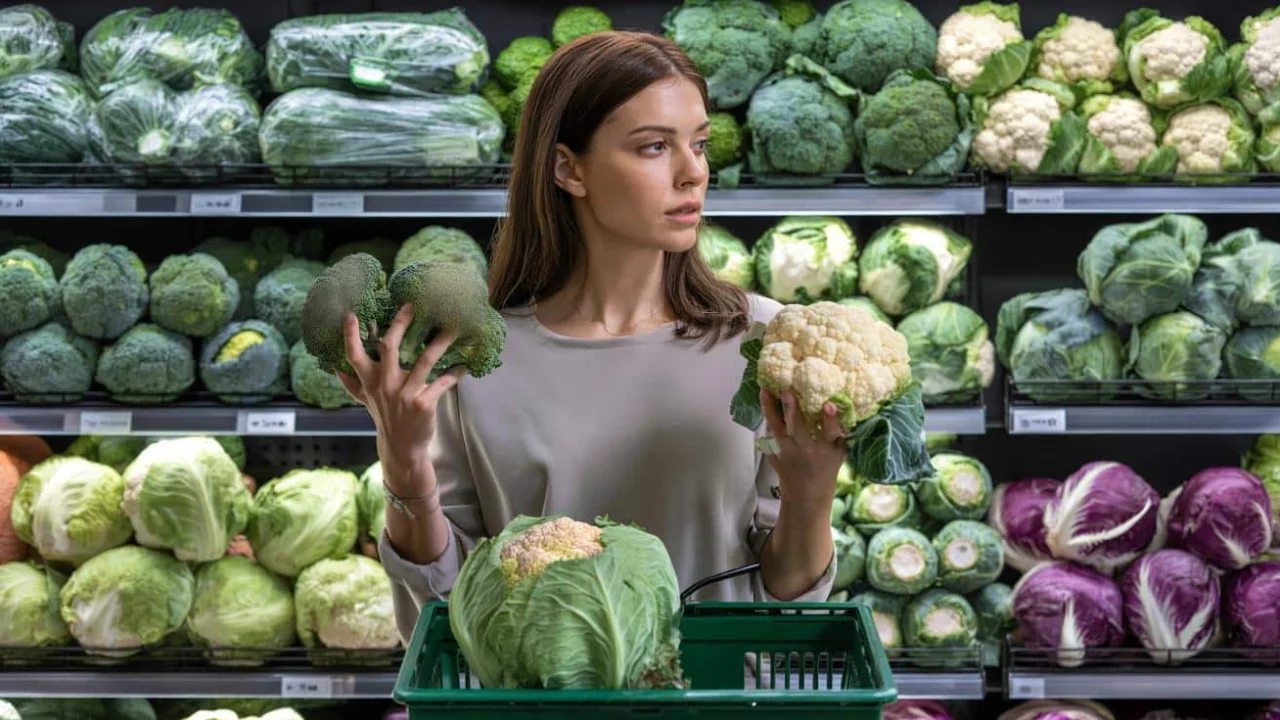
Last Tuesday, I watched my neighbor Maria stand in the produce section for a solid five minutes, phone in one hand, cauliflower in the other. She was FaceTiming her mom about which vegetable to buy for her son’s dinner. “He won’t eat cabbage, but he likes broccoli,” she explained, switching the cauliflower for a head of broccoli, then back again.
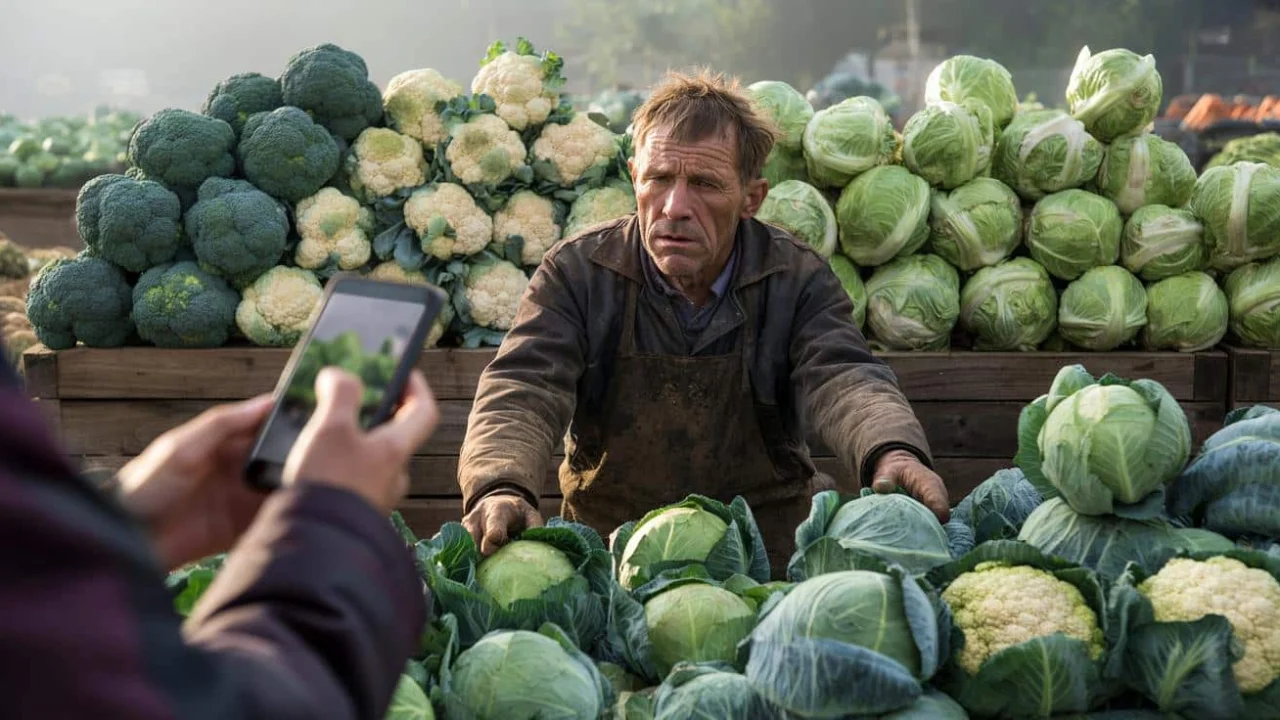
What Maria didn’t know—what most of us don’t know—is that she was essentially debating between three versions of the exact same plant. That’s right. The cauliflower, broccoli, and cabbage sitting in those neat little grocery store bins are all just different costumes worn by one botanical superstar.
It’s like discovering that Superman, Clark Kent, and that guy from accounting are all the same person. Mind-blowing, right?

The Secret Identity of Your Favorite Vegetables
Walk down any produce aisle and you’ll see what looks like a botanical United Nations. Cauliflower sits there like a pale brain made of snow. Broccoli looks like tiny green trees that belong in a fairy garden. Cabbage resembles a tightly wrapped green football that your grandmother used to boil until it smelled like sulfur.
But here’s the plot twist that would make any science teacher giddy: they’re all brassica oleracea varieties. One species, multiple personalities.

“Think of it like dog breeds,” explains Dr. Sarah Martinez, a botanist at UC Davis. “A poodle and a pitbull look completely different, but they’re genetically the same species. That’s exactly what happened with these vegetables.”
The story starts thousands of years ago with wild cabbage, a tough little plant growing along Europe’s rocky coastlines. This ancestor plant had thick, waxy leaves that could survive salt spray and harsh winds. Early farmers noticed some plants had bigger leaves, others had chunkier stems, and a few had interesting flower formations.

Over centuries, these farmers played the world’s longest game of selective breeding. They saved seeds from plants with the traits they liked best. Generation after generation, tiny preferences snowballed into dramatically different vegetables.
The Brassica Oleracea Family Tree Revealed
Understanding how these brassica oleracea varieties developed is like looking at the world’s most successful makeover show. Each vegetable represents humans falling in love with a different part of the same plant.

| Vegetable | What Part We Eat | What Farmers Selected For | When It Developed |
|---|---|---|---|
| Cabbage | Tightly packed leaves | Dense, compact leaf formation | 600 BC |
| Broccoli | Flower buds and stems | Large, clustering flower heads | Roman times |
| Cauliflower | Undeveloped flowers | White, compact flower masses | 12th century |
| Brussels Sprouts | Miniature leaf heads | Multiple small cabbage-like buds | 13th century |
| Kale | Large individual leaves | Loose, frilly leaf structures | Ancient Greece |
| Kohlrabi | Swollen stem base | Thick, bulbous stem growth | 15th century |
Here’s what makes this even more incredible:
- All these vegetables can still cross-pollinate with each other
- They share virtually identical DNA sequences
- Seeds from one variety can occasionally produce traits of another
- They all contain similar nutrients and chemical compounds
- Their growth patterns follow the same basic botanical blueprint
“When I tell people that broccoli and cabbage are the same species, they look at me like I’m crazy,” says Chef Michael Thompson, who specializes in farm-to-table cuisine. “But once you understand it, you can use them almost interchangeably in cooking.”
Why This Changes Everything About How You Cook
Once you see these vegetables as one big family, your kitchen becomes a playground of possibilities. That recipe calling for broccoli? Try it with cauliflower. That cabbage dish? Brussels sprouts might work perfectly.
The nutritional profiles are remarkably similar across brassica oleracea varieties. They’re all packed with vitamin C, vitamin K, and cancer-fighting compounds called glucosinolates. The main differences are texture and flavor intensity, not nutritional value.
This knowledge also explains why your kids might love broccoli but hate Brussels sprouts, even though they’re essentially eating different parts of the same plant. The concentrated flavors in Brussels sprouts can be more intense than the milder flower buds we eat in broccoli.
“Understanding that these are all brassica oleracea varieties has completely changed how I meal plan,” says nutritionist Laura Chen. “Instead of thinking I need five different vegetables, I can focus on getting creative with one incredibly versatile plant family.”
From a gardening perspective, this connection becomes even more practical. If you can grow one of these vegetables successfully, you likely have the right conditions for all of them. They prefer cool weather, consistent moisture, and similar soil conditions.
The next time you’re standing in that produce section, take a moment to appreciate the incredible journey of human ingenuity displayed on those shelves. What looks like botanical diversity is actually a testament to thousands of years of careful selection, patience, and the human ability to see potential in the most unlikely places.
That wild coastal cabbage plant never could have imagined its descendants would end up starring in everything from Caesar salads to trendy cauliflower pizza crusts. Yet here we are, still eating variations of the same stubborn plant that once clung to European cliffs, seasoned by salt spray and shaped by human dreams.
FAQs
Can different brassica oleracea varieties cross-pollinate in my garden?
Yes, they can cross-pollinate since they’re the same species. If you save seeds from your garden, you might get some interesting hybrid vegetables.
Are the nutritional benefits the same across all these vegetables?
The basic nutritional profile is very similar, though specific vitamin and mineral concentrations can vary slightly between varieties.
Why do Brussels sprouts taste so much stronger than cauliflower?
Brussels sprouts are more concentrated plant tissue, so the sulfur compounds that give brassicas their distinctive flavor are more intense.
Can I substitute one brassica oleracea variety for another in recipes?
Generally yes, though cooking times and textures will vary. Dense vegetables like cabbage take longer to cook than delicate cauliflower florets.
How long did it take to develop these different varieties?
It took hundreds or thousands of years of selective breeding. Some varieties like kale are ancient, while others like Brussels sprouts appeared much later in agricultural history.
Are there other vegetable families like this?
Yes! Squash, pumpkins, and zucchini are all the same species (Cucurbita pepo), and many bean varieties are also closely related within their species.
About the Author
