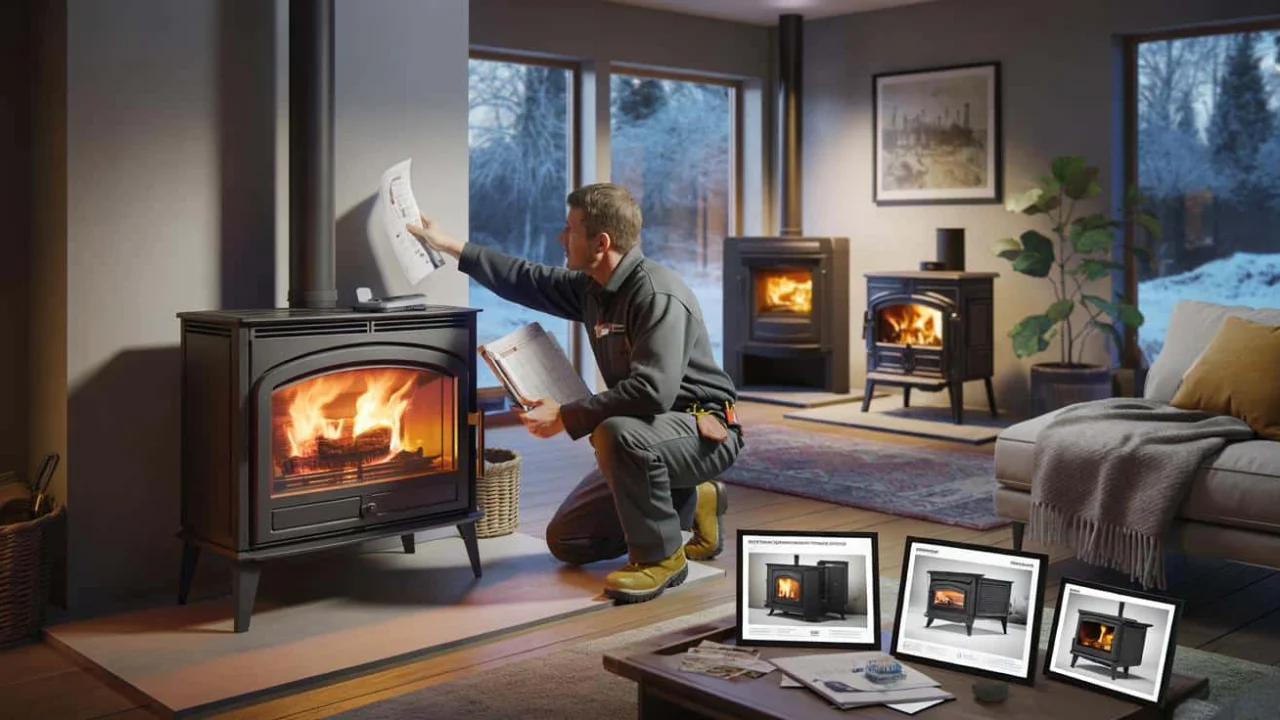
Sarah thought she knew exactly what she wanted when she walked into the wood stove showroom last November. She’d been dreaming of cozy winter evenings by the fire ever since her heating bill hit $300 that month. The sleek black model in the corner caught her eye immediately – modern, Instagram-worthy, and reasonably priced.

Three months later, she was burning through a cord of wood every few weeks, her living room felt like an oven while her bedroom stayed freezing, and she was seriously considering whether she’d made the biggest home improvement mistake of her life.
Sarah’s story isn’t unique. Choosing wood stove options without proper planning leads thousands of homeowners down the same frustrating path every winter. The difference between heating bliss and heating disaster often comes down to five crucial decisions that most people never think to ask about.

Why Your Home Should Pick Your Stove, Not the Other Way Around
Here’s the uncomfortable truth about wood stove shopping: that gorgeous model you’re eyeing might be completely wrong for your space. Most people fall in love with dancing flames and sleek designs, then try to make their home work around their choice.
Smart shoppers flip this process entirely.

“I’ve seen too many people buy a stove based on looks, then spend years fighting with it,” says Mike Chen, a certified stove installer with 15 years of experience. “Your house tells you what size and type you need. Everything else is just decoration.”
The math matters more than the marketing. A poorly insulated 1970s home might need 100 watts per square meter, while a modern, well-insulated house needs only 50-60 watts. Get this wrong, and you’ll either freeze or sweat through winter.

Consider volume, not just floor space. High ceilings, open floor plans, and connecting rooms all affect how much power you actually need. That “perfect for 50 square meters” label assumes standard 8-foot ceilings and decent insulation.
The Five Make-or-Break Factors for Wood Stove Success
Professional installers use a systematic approach when choosing wood stove models for clients. Here are the five non-negotiable factors that separate heating success from heating headaches:

| Factor | Why It Matters | Common Mistake |
|---|---|---|
| Heat Output | Must match your actual space needs | Buying based on room size alone |
| Fuel Type | Affects cost, convenience, and maintenance | Not considering long-term fuel availability |
| Installation Requirements | Determines total project cost | Ignoring chimney and clearance needs |
| Efficiency Rating | Impacts fuel consumption and emissions | Focusing on price over operating costs |
| Local Regulations | Some models aren’t allowed everywhere | Not checking local emission standards |
Power and Size Matching: Your heating needs depend on insulation quality, ceiling height, and climate zone. A rule of thumb: well-insulated homes need 25-35 BTU per square foot, while older homes might need 50+ BTU per square foot.
Fuel Flexibility: Wood, pellets, or multi-fuel options each have trade-offs. Wood requires more handling but costs less. Pellets burn cleaner but need electricity for the feed system. Multi-fuel stoves offer flexibility but cost more upfront.
Installation Reality Check: That $1,200 stove might need $2,000 in chimney work, new hearth pad, and wall clearances. Always get installation quotes before falling in love with a particular model.
- Measure your chimney flue diameter before shopping
- Check required clearances from walls and furniture
- Consider whether you need a hearth pad or wall protection
- Verify your home’s structural support for the stove weight
What Happens When People Get These Decisions Wrong
The consequences of poor wood stove selection extend far beyond a chilly living room. Homeowners face a cascade of expensive problems that can take years to resolve.
Undersized stoves force owners into constant feeding cycles. You’ll burn more wood, create more ash, and still struggle to maintain comfortable temperatures. Your stove runs at maximum output constantly, reducing its lifespan and increasing maintenance needs.
“I replaced three families’ stoves last year because they bought too small,” explains Linda Rodriguez, a heating contractor in Vermont. “They were spending twice as much on wood and getting half the comfort. It’s heartbreaking to watch.”
Oversized stoves create different but equally frustrating problems. You can’t run them efficiently at low settings, leading to overheating, poor combustion, and excessive creosote buildup. Many owners end up opening windows in winter just to stay comfortable.
Installation mistakes compound equipment problems. Poor chimney draft, inadequate clearances, and structural issues can make even a perfectly sized stove perform poorly. Some problems require tearing out walls or rebuilding chimneys – expenses that quickly dwarf the original stove cost.
Fuel type mismatches hit budgets hard. Pellet stove owners in areas with limited pellet availability face inflated fuel costs. Wood stove owners without reliable wood sources often pay premium prices for poor-quality seasoned wood.
“The stove is maybe 30% of your total heating system,” notes Tom Baker, who’s been installing wood stoves for two decades. “The other 70% is getting everything else right – chimney, installation, fuel supply, and maintenance. People focus on the wrong 30%.”
Regional regulations add another layer of complexity. Many urban areas restrict wood burning during high pollution days. Some neighborhoods prohibit certain stove types entirely. Buying first and checking regulations later can leave you with an expensive decoration.
The financial impact extends beyond the initial purchase. Poor stove selection typically increases fuel costs by 40-60% compared to properly matched systems. Factor in potential reinstallation costs, and the total expense of getting it wrong can exceed $10,000.
Smart wood stove selection starts with honest assessment of your home, heating needs, and local conditions. The prettiest stove in the showroom means nothing if it can’t keep you warm efficiently and safely.
FAQs
How do I calculate the right stove size for my home?
Measure your space’s square footage and ceiling height, then multiply by 25-35 BTU per square foot for well-insulated homes or 50+ for older homes.
Should I choose wood or pellet fuel for my stove?
Wood costs less but requires more handling and storage space. Pellets burn cleaner and feed automatically but need electricity and cost more per BTU.
What’s the biggest mistake people make when buying wood stoves?
Choosing based on appearance rather than heating capacity and installation requirements for their specific home.
Do I need a professional to install my wood stove?
Yes, improper installation creates serious fire and carbon monoxide risks. Most insurance companies and local codes require professional installation.
How much should I budget for the total wood stove project?
Plan for $3,000-$6,000 total including the stove, installation, chimney work, and any required home modifications.
Can I install a wood stove in any room?
No, you need proper chimney access, adequate clearances from combustible materials, and often structural reinforcement for the stove’s weight.
About the Author