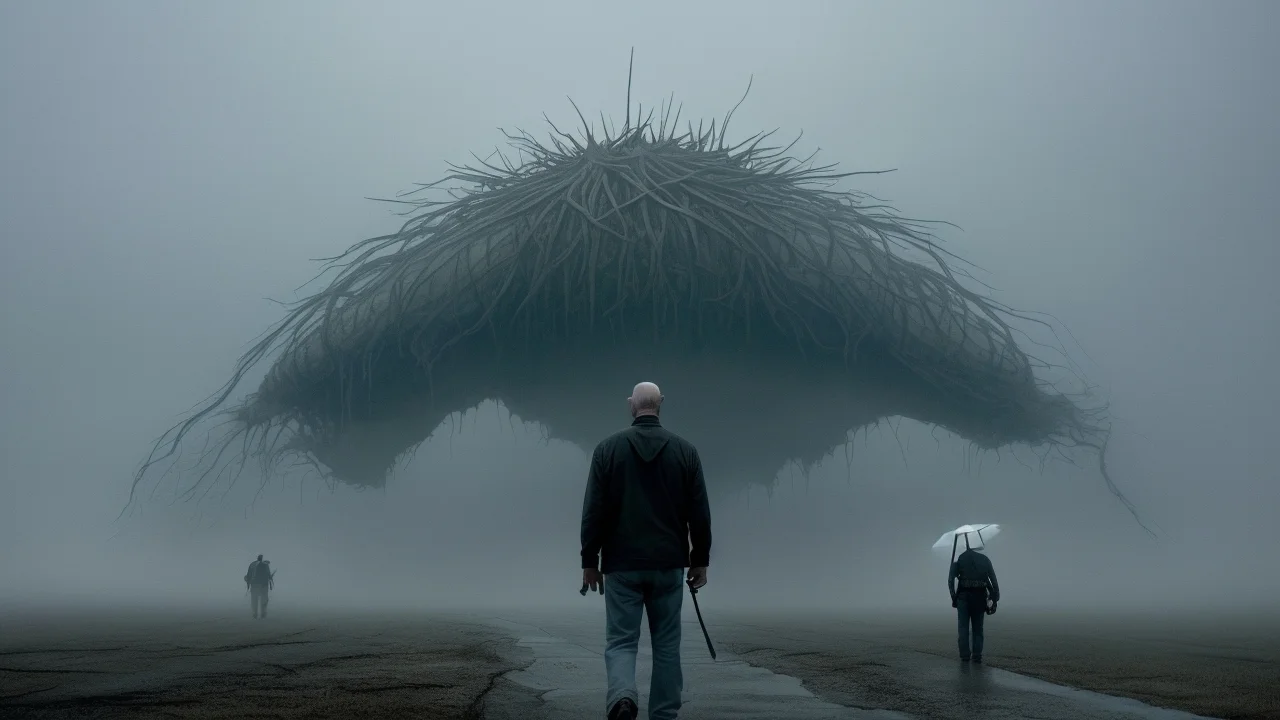
I remember the first time I watched The Mist late one night, thinking I was in for a typical monster movie. By the time those final credits rolled, I sat in stunned silence, staring at my TV screen with tears streaming down my face. That gut-punch ending had left me questioning everything I thought I knew about hope, desperation, and the choices we make when pushed to our absolute limits.
It wasn’t until years later that I discovered Frank Darabont had actually changed Stephen King’s original ending—and somehow made it even more devastating. That’s when I realized I hadn’t just watched a great horror film; I’d experienced what might be the most perfect adaptation of a Stephen King story ever put to screen.
Now, with Mike Flanagan announced to tackle another version of this tale, it’s worth asking: can lightning really strike twice in the same place?
Why Frank Darabont’s The Mist Stands as the Gold Standard
Frank Darabont’s The Mist accomplishes something most adaptations only dream of—it captures the essence of King’s novella while boldly improving upon it. Released in 2007, the film takes King’s 1980 story about a group of people trapped in a supermarket by mysterious creatures and transforms it into a meditation on human nature under extreme pressure.
“What Darabont understood was that the real monsters aren’t the ones outside in the mist,” explains horror film scholar Dr. Sarah Mitchell. “They’re the ones that emerge from within us when civilization breaks down.”
The film’s genius lies in its restraint. While modern horror films often rely on jump scares and gore, Darabont builds tension through character development and psychological horror. The creatures in the mist are terrifying, yes, but they pale in comparison to the religious fanaticism of Mrs. Carmody or the mob mentality that slowly consumes the trapped survivors.
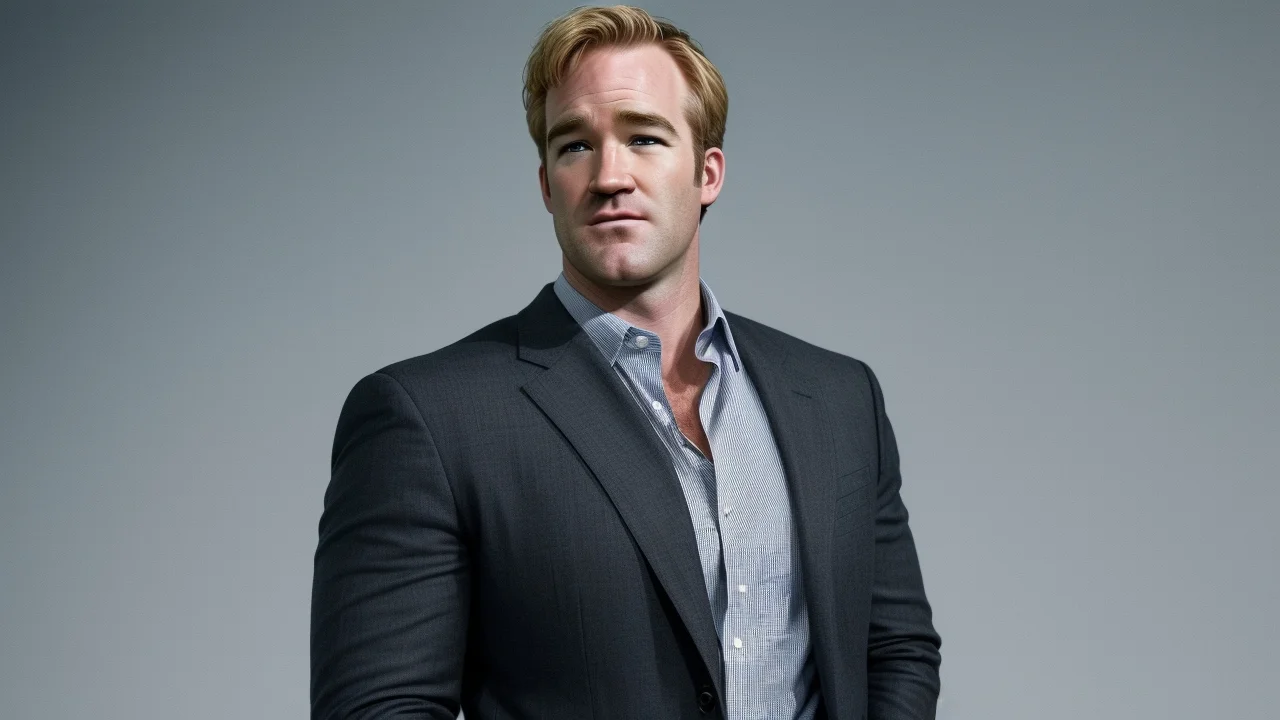
Thomas Jane’s performance as David Drayton anchors the entire film with quiet desperation. His character’s journey from protective father to broken man reflects the broader theme of how ordinary people can be pushed beyond their breaking point.
The Key Elements That Make This Adaptation Extraordinary
Several factors combine to make Frank Darabont’s The Mist stand out among Stephen King adaptations:
- Expanded Character Development: The film gives more depth to supporting characters, making their fates more impactful
- Enhanced Themes: Religious extremism and mob psychology are explored more thoroughly than in the novella
- Practical Effects: The creature designs feel genuinely otherworldly and threatening
- Atmospheric Tension: The confined supermarket setting becomes increasingly claustrophobic
- Bold Ending Choice: Darabont’s conclusion surpasses even King’s original vision
| Aspect | Original Novella | Darabont’s Adaptation |
|---|---|---|
| Ending | Ambiguous, hopeful | Definitive, devastating |
| Mrs. Carmody | Minor antagonist | Major threat, complex villain |
| Creature Focus | Primary horror source | Secondary to human horror |
| Runtime | Short story length | 126 minutes of sustained tension |
Film critic Mark Stevens notes, “Darabont took a lean survival horror story and turned it into an epic examination of how quickly civilization can crumble. The supermarket becomes a microcosm of society itself.”
The Ending That Changed Everything
Perhaps no aspect of Frank Darabont’s The Mist has generated more discussion than its ending. King’s novella concludes ambiguously, with David and his companions driving into an uncertain future. Darabont’s version delivers something far more brutal and definitive.
Without spoiling specifics, the film’s conclusion forces viewers to confront impossible choices and their consequences. It’s an ending that stays with you long after the credits roll, one that transforms the entire viewing experience upon reflection.
“That ending is pure cinema,” says genre filmmaker Jennifer Walsh. “It could only work in film, and it elevates the source material to something almost mythic in its tragedy.”
Even Stephen King himself has praised Darabont’s bold choice, admitting that the director found a better conclusion than he had originally written. This kind of author endorsement is rare in the world of literary adaptations.
Why Another Adaptation Faces an Uphill Battle
With Mike Flanagan now set to remake The Mist, the project faces inevitable comparisons to Darabont’s version. Flanagan has proven himself capable with King adaptations like Gerald’s Game and Doctor Sleep, but he’s working in the shadow of what many consider a perfect film.
The challenge isn’t just about matching the quality—it’s about justifying the existence of a new version. What can a remake offer that Darabont’s film didn’t already achieve? The original covers all the essential elements: the claustrophobic setting, the creature horror, the psychological breakdown, and that unforgettable ending.
Horror historian Dr. Michael Torres suggests, “The question isn’t whether Flanagan can make a good adaptation—he probably can. The question is whether audiences need another one when Darabont already created the definitive version.”
Flanagan’s strength lies in expanding narratives, as seen in his Netflix series work. Perhaps his approach will involve turning the story into a limited series, allowing more time to explore the characters and their relationships. However, part of what makes Darabont’s film so effective is its tight, focused runtime that mirrors the pressure cooker environment of the trapped survivors.
The Legacy of a Perfect Adaptation
Frank Darabont’s The Mist represents something rare in Hollywood: an adaptation that respects its source material while having the courage to improve upon it. The film works on multiple levels—as a creature feature, as social commentary, and as a psychological thriller.
Its influence can be seen in subsequent horror films that prioritize character development and social themes over pure scares. The movie proved that audiences are hungry for intelligent horror that trusts them to handle complex emotions and moral ambiguity.
The film’s modest budget of $18 million compared to its lasting cultural impact also demonstrates that effective horror doesn’t require massive special effects budgets. Sometimes, the most powerful scares come from what we can’t see—and what we recognize in ourselves.
As we wait to see what Flanagan brings to his version, one thing remains clear: Frank Darabont’s The Mist set a standard that will be incredibly difficult to surpass. It’s not just one of the best Stephen King adaptations—it’s one of the best horror films ever made, period.
FAQs
Is Frank Darabont’s The Mist better than Stephen King’s novella?
Many fans and critics, including King himself, believe Darabont’s adaptation improves upon the source material, particularly with its more definitive and emotionally powerful ending.
How long is Frank Darabont’s The Mist?
The theatrical version runs 126 minutes, with a black-and-white director’s cut that Darabont considers the definitive version of the film.
What makes The Mist’s ending so controversial?
The ending is devastating and morally complex, forcing viewers to confront impossible choices about survival, hope, and timing that challenge conventional storytelling expectations.
Why is Mike Flanagan remaking The Mist?
Flanagan hasn’t fully detailed his reasoning, but he’s known for expanding King’s stories and may see opportunities to explore the characters and themes in greater depth.
What other Stephen King stories has Frank Darabont adapted?
Darabont previously adapted The Shawshank Redemption and The Green Mile, establishing him as one of the most successful King adaptors in cinema.
Is The Mist appropriate for all horror fans?
While it contains some creature violence, the film’s psychological horror and emotionally devastating conclusion make it more suitable for mature audiences seeking thoughtful horror.
About the Author