Sarah stared at her reflection in the bathroom mirror, watching her hair fall flat against her scalp just minutes after blow-drying. She’d tried every “volumizing” product on the shelf, spent hundreds on salon treatments, and even considered extensions. Nothing seemed to work on her fine strands.

Sound familiar? You’re definitely not alone. Millions of people wake up every morning fighting the same battle against limp, lifeless hair that seems determined to cling to their head like plastic wrap. The good news is that fine hair care doesn’t have to feel like an uphill battle when you know the right strategies.
Professional stylists have cracked the code on making fine hair look fuller, bouncier, and more vibrant. The secret isn’t in expensive products or complicated routines—it’s about understanding what fine hair actually needs and working with its natural characteristics instead of against them.

Understanding Your Fine Hair’s Unique Needs
Fine hair gets a bad rap, but here’s what most people don’t realize: it’s not about having less hair on your head. Fine hair refers to the actual diameter of each individual strand. You could have tons of fine hairs packed onto your scalp and still struggle with volume issues.
“Fine hair has a smaller circumference than medium or coarse hair, which means it has less internal structure to support styling,” explains celebrity hairstylist Marcus Chen. “Think of it like the difference between angel hair pasta and thick spaghetti—both are pasta, but they behave completely differently.”

This structural difference creates some predictable challenges that most fine-haired people know all too well:
- Hair gets greasy at the roots within 24 hours
- Styles fall flat by midday, especially in humidity
- Products that work for friends with thicker hair weigh your hair down
- The scalp shows through more easily under bright lighting
- Hair tangles easily but still looks limp and lifeless

The key to effective fine hair care is accepting these characteristics and choosing products and techniques that enhance rather than fight your hair’s natural tendencies.
Six Expert Strategies That Actually Work
Professional stylists consistently recommend these game-changing approaches for fine hair care. Each strategy addresses a specific challenge that fine hair faces.
| Strategy | What It Does | Best For |
|---|---|---|
| Strategic Cutting | Creates built-in volume and movement | All fine hair types |
| Lightweight Layering | Adds texture without removing density | Medium to long fine hair |
| Root-Focused Washing | Removes oil buildup without over-drying ends | Fine hair that gets oily quickly |
| Volumizing Product Placement | Targets lift where you need it most | Hair that falls flat at the crown |
| Heat Styling Techniques | Creates lasting lift and texture | Fine hair that won’t hold styles |
| Dry Shampoo Strategy | Extends styles and adds grip | Fine hair that gets limp between washes |
The Right Cut Makes All the Difference
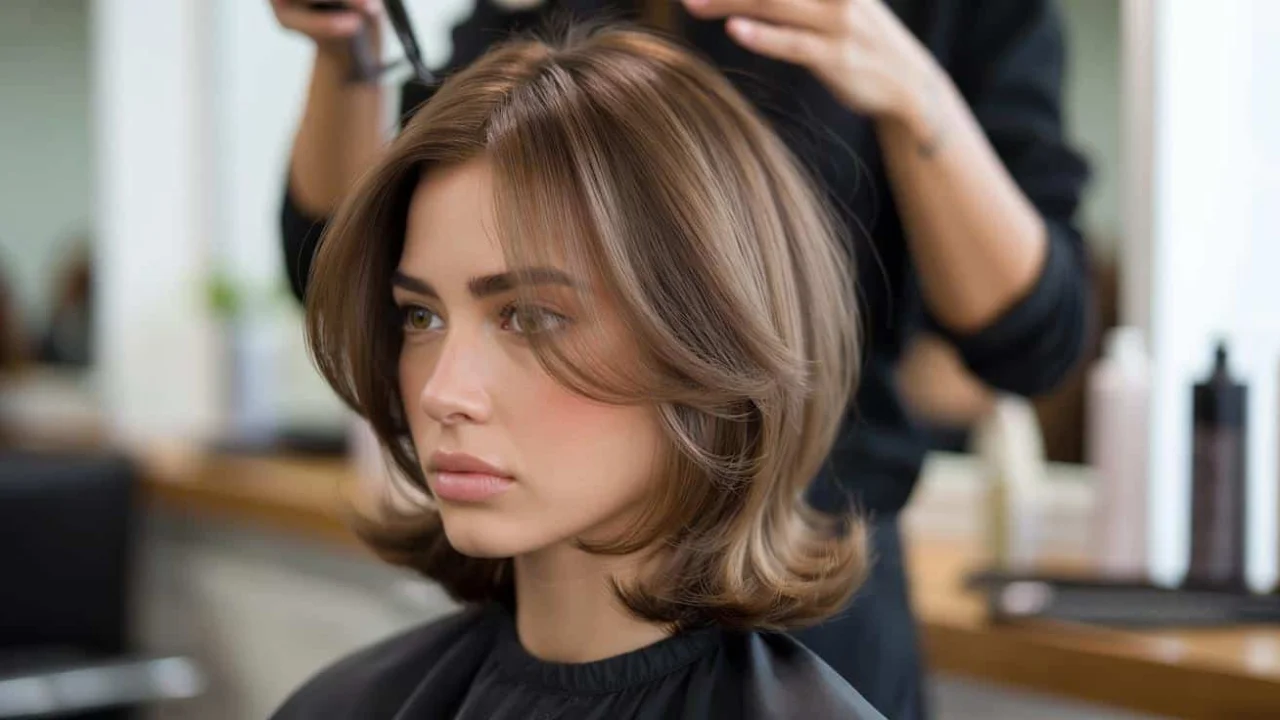
Forget everything you think you know about flattering haircuts. For fine hair, shorter often means fuller. A chin-length bob or collarbone-grazing lob removes the weight that pulls your hair down while creating the illusion of thicker ends.
“I tell my fine-haired clients to think of their cut as the foundation of their styling routine,” says master stylist Jennifer Rodriguez. “The right cut does 70% of the work before you even pick up a brush.”
Micro-layers around the crown lift hair away from the scalp, while keeping the perimeter slightly blunt maintains the appearance of density. Avoid heavy layering throughout the length, which can make fine hair look wispy and thin.
Product Application That Actually Helps
The biggest mistake people make with fine hair care is using too much product or applying it incorrectly. Fine hair needs lightweight formulas applied strategically.
- Apply volumizing mousse only to damp roots, not through the lengths
- Use texturizing spray on dry hair before styling for better grip
- Choose sulfate-free shampoos that won’t strip natural oils
- Skip heavy conditioners and opt for lightweight leave-in treatments
Dry shampoo isn’t just for dirty hair days—it’s a fine hair care essential. Spraying it on clean, dry hair before bed gives your strands texture and grip that makes morning styling much easier.
The Real-World Impact of Better Fine Hair Care
When you finally nail your fine hair care routine, the confidence boost is immediate and noticeable. People who’ve struggled with limp, lifeless hair for years suddenly find themselves with styles that last all day and actually improve as the hours pass.
The psychological impact shouldn’t be underestimated either. Bad hair days can affect everything from job interviews to dating confidence. When your hair looks good, you feel good—and that energy radiates outward.
“I’ve had clients tell me that learning proper fine hair care techniques changed their entire relationship with getting ready in the morning,” notes salon owner Patricia Kim. “Instead of dreading their reflection, they actually look forward to styling their hair.”
Modern fine hair care also means less damage from over-processing. When you work with your hair’s natural texture instead of fighting it, you need fewer harsh chemicals and heat styling sessions. Your hair stays healthier, grows longer, and looks more vibrant overall.
The financial benefits add up too. Once you know which products actually work for fine hair, you stop wasting money on heavyweight formulas that promise miracles but deliver disappointment. A targeted routine with the right products costs less than constantly buying new “miracle” solutions.
Fine hair care success stories prove that with the right knowledge and techniques, anyone can transform their hair from a daily frustration into their favorite feature. The key is patience, consistency, and working with professional guidance to develop a routine that fits your specific hair needs and lifestyle.
FAQs
How often should I wash fine hair?
Most fine hair benefits from washing every other day or every two days, focusing shampoo on the roots only.
Can fine hair be trained to hold volume longer?
Yes, consistent use of volumizing techniques and the right products can help your hair hold styles better over time.
Are expensive fine hair care products worth the cost?
Not necessarily—drugstore brands often make excellent lightweight formulas that work just as well as luxury options.
Should I avoid oil-based products completely?
Light oils applied only to the ends can actually help, but avoid anything heavy or applied near the roots.
Will coloring damage my fine hair more than thick hair?
Fine hair can be more fragile, so professional coloring with proper conditioning treatments is usually the safest approach.
Can diet or supplements improve fine hair thickness?
While biotin and proper nutrition support hair health, they won’t change your natural hair diameter—focus on styling techniques instead.
About the Author