The phone call came in just after 9 PM on a quiet Tuesday evening in Lyons. Someone had spotted a vehicle weaving erratically down the road, and they were concerned enough to dial 911. For the dispatcher taking that call, it was another routine traffic complaint. But for the driver behind the wheel, those next few minutes would change everything.

These calls happen more often than most people realize. A concerned citizen notices dangerous driving and makes the decision to speak up. Sometimes it’s nothing serious—maybe someone’s just tired or distracted. But sometimes, like this case involving a Geneva man, it reveals something much more dangerous happening on our local roads.
What started as a simple traffic stop in Lyons has now become another reminder of how DWI cases continue to impact communities throughout the Finger Lakes region.

When a Traffic Complaint Becomes an Arrest
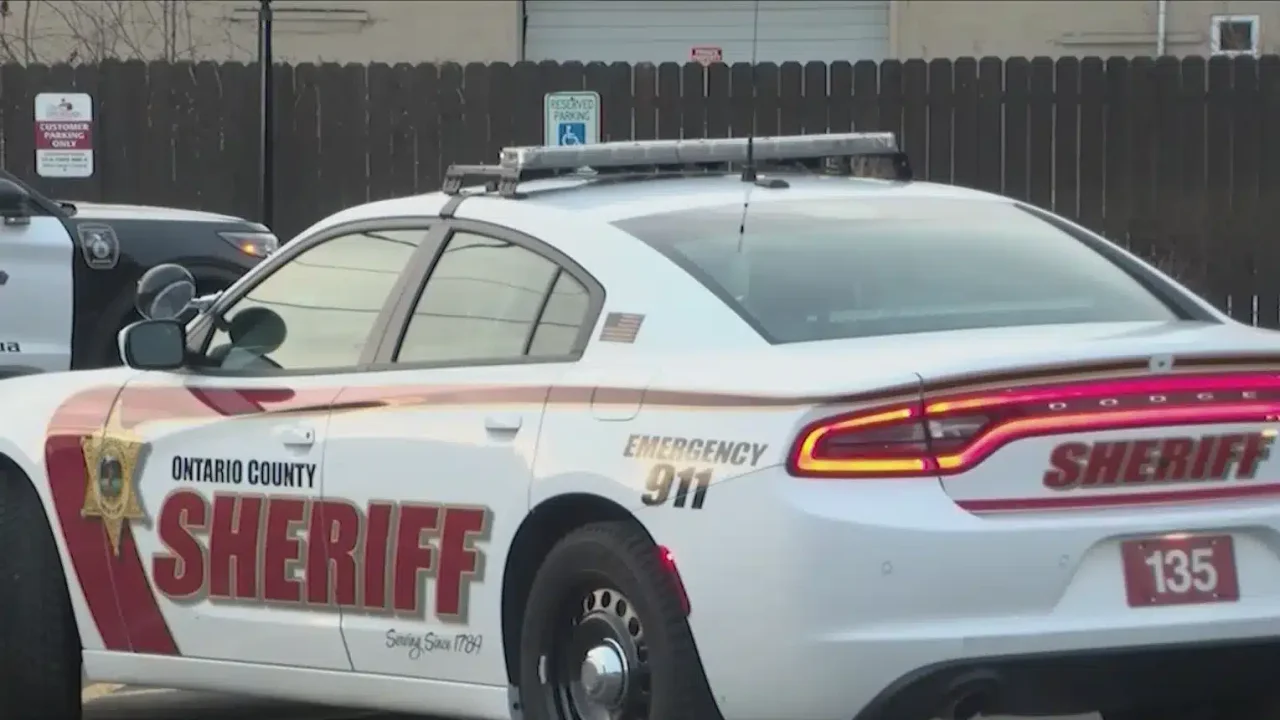
Dale R. Frey, a 49-year-old Geneva man from Lenox Road, is now facing serious charges after what began as a routine vehicle and traffic complaint. Wayne County Sheriff’s deputies responded to the call and located Frey as he pulled into a local business parking lot.
The timing couldn’t have been more fortunate. Rather than continuing to drive on public roads where he could have endangered other motorists, Frey had stopped. But what deputies discovered during their interaction with him painted a troubling picture.
“The signs of impairment were apparent during our initial contact,” explained a law enforcement source familiar with DWI investigations. “Officers are trained to recognize these indicators quickly, and they knew they needed to take immediate action.”
Frey now faces two significant charges: driving while intoxicated and aggravated driving while intoxicated. The distinction between these charges matters more than people might think, and it all comes down to blood alcohol content levels.

Breaking Down the Charges and What They Mean
When deputies administered standardized field sobriety tests, Frey’s performance clearly indicated impairment. But the real shock came when he submitted to a breath test at the Wayne County Sheriff’s Office. The results showed a blood alcohol content of 0.18—more than twice the legal limit.
Here’s what those numbers actually mean in legal terms:

| BAC Level | Legal Status | Typical Charges |
|---|---|---|
| 0.08-0.17 | Driving While Intoxicated | Standard DWI |
| 0.18 and above | Aggravated DWI | Enhanced penalties |
| 0.05-0.07 | Ability Impaired | DWAI (lesser charge) |
“A BAC of 0.18 puts someone well into dangerous territory,” noted a local DWI defense attorney. “At that level, reaction times are severely compromised, and decision-making abilities are significantly impaired.”
The aggravated charge carries much stiffer penalties than a standard DWI. These can include:
- Longer license suspension periods
- Higher fines and surcharges
- Mandatory ignition interlock device installation
- Possible jail time, even for first offenses
- Required alcohol evaluation and treatment
For Frey, this means he’s looking at consequences that will extend far beyond his upcoming court appearance in Lyons Town Court. The ripple effects of an aggravated DWI can impact employment, insurance rates, and personal relationships for years to come.
The Real Impact on Local Communities
This Geneva man’s DWI case highlights a larger issue that communities throughout Wayne and Ontario counties continue to grapple with. Every year, impaired driving incidents create risks for innocent families just trying to get home safely.
Consider what could have happened if that concerned citizen hadn’t made the call to report erratic driving. With a BAC of 0.18, Frey was operating a vehicle while severely impaired. At that level of intoxication, the potential for causing a serious accident is extremely high.
“We see these cases regularly, and each one represents a near-miss situation,” explained a local emergency responder. “When someone’s driving with a BAC that high, they’re essentially operating a deadly weapon.”
The economic costs extend beyond individual cases too. DWI incidents strain local law enforcement resources, court systems, and emergency services. They also contribute to higher insurance premiums for everyone in the community.
But perhaps most importantly, these cases serve as stark reminders of how quickly poor decisions can spiral into life-changing consequences. Frey was processed and released, but his legal troubles are just beginning.
What Happens Next in the Legal Process
Frey will need to appear in Lyons Town Court to answer the charges against him. The court process for DWI cases typically involves several steps, and with an aggravated charge, the stakes are higher than many people realize.
First-time aggravated DWI offenses in New York can result in fines up to $2,500, jail time up to one year, and license revocation for at least one year. The ignition interlock requirement alone can cost hundreds of dollars per month.
“Many people don’t realize that an aggravated DWI stays on your record permanently,” noted a court clerk familiar with these cases. “It affects background checks, employment opportunities, and even housing applications.”
The case also demonstrates how quickly modern law enforcement can process DWI arrests. From the initial traffic complaint to the breath test results, the entire process moved efficiently through the system.
For local residents, this case serves as both a warning and a reminder that alternative transportation options exist. Rideshare services, designated drivers, and public transportation can all help prevent these situations from occurring.
As Frey prepares for his court date, his case joins the thousands of DWI arrests that occur across New York State each year. Each represents not just a legal violation, but a moment when someone’s life took a dangerous turn that could have ended much worse.
FAQs
What’s the difference between DWI and aggravated DWI in New York?
Aggravated DWI involves a BAC of 0.18 or higher, while standard DWI is 0.08 to 0.17. Aggravated charges carry enhanced penalties.
Can you get jail time for a first-time aggravated DWI?
Yes, even first-time aggravated DWI offenses can result in up to one year in jail, plus fines and license revocation.
How long does an aggravated DWI stay on your record in New York?
Aggravated DWI convictions remain on your criminal record permanently and on your driving record for 10 years.
What is an ignition interlock device?
It’s a breath-testing device installed in your car that prevents the vehicle from starting if alcohol is detected on your breath.
Can you refuse a breath test in New York?
You can refuse, but it results in automatic license suspension and can be used as evidence against you in court.
How much does an aggravated DWI cost in total?
Including fines, legal fees, ignition interlock, and increased insurance, total costs often exceed $10,000 for first-time offenders.
About the Author