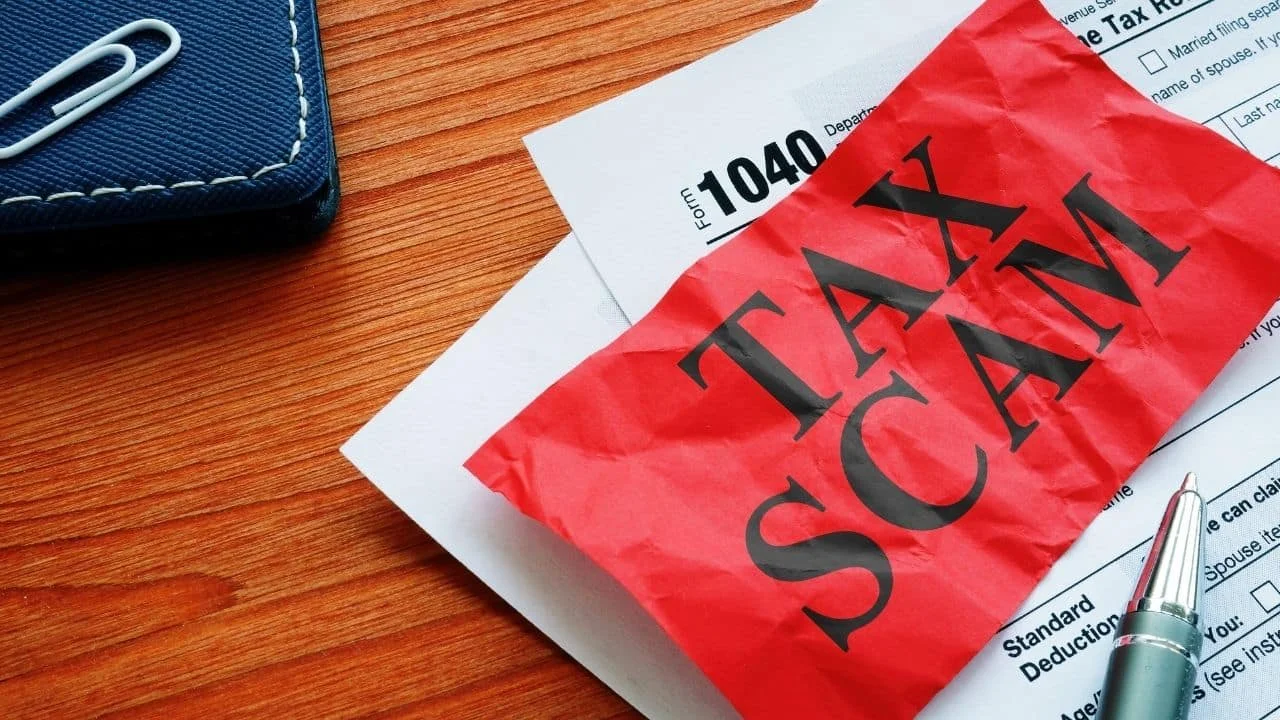
Sarah Martinez thought she was getting a great deal when she walked into a storefront tax office last spring. The preparer promised her a bigger refund than she expected and charged only $75. But when the IRS contacted her months later about missing documentation and inflated deductions she never claimed, Sarah realized she’d been scammed.

“I trusted him because he had certificates on the wall and seemed professional,” Sarah recalls. “But those fake deductions cost me $2,400 in penalties and interest. I learned the hard way that not every tax preparer has your best interests at heart.”
Sarah’s story isn’t unique. As tax season heats up, dishonest tax preparers are targeting unsuspecting taxpayers across the country, promising unrealistic refunds and cutting corners that leave their clients facing serious consequences.
State Officials Sound the Alarm on Tax Fraud
The New York State Department of Taxation and Finance is urging taxpayers to be extra cautious when choosing someone to handle their tax returns this year. With the April 15 deadline approaching, officials want people to thoroughly vet their tax preparers before handing over sensitive financial information.
“The vast majority of tax preparers are honest professionals. However, some take advantage of their position of trust to scam customers out of their hard-earned money,” said Acting Commissioner Amanda Hiller. “We’re seeing an uptick in complaints about preparers who promise the moon but deliver nothing but trouble.”

The warning comes as part of a broader effort to protect consumers from dishonest tax preparers who exploit the complexity of tax laws and people’s desire for maximum refunds. These unscrupulous operators often target vulnerable populations, including low-income families, elderly taxpayers, and non-English speakers.
Tax preparation fraud has become increasingly sophisticated. Some dishonest preparers use legitimate-looking storefronts, fake credentials, and professional marketing materials to appear trustworthy. Others operate out of temporary locations, making it difficult for victims to find them when problems arise.

What Legitimate Tax Preparers Must Do
New York state law requires registered tax preparers to follow strict guidelines designed to protect consumers. Understanding these requirements can help you identify legitimate professionals and avoid scammers.
Here’s what every registered tax preparer in New York must do:

- Display their New York State Tax Preparer Registration Certificate prominently
- Post a clear price list for their services
- Tell you upfront whether they’ll represent you if you’re audited
- Ask detailed questions about your income, expenses, and family situation
- Let you review your completed return before you sign it
- Sign your return and include their preparer identification numbers
- File your return electronically when possible
- Provide you with a copy of your filed return
- Give you a year-round contact address and phone number
If a preparer offers refund anticipation loans or transfer services, they must also provide written explanations of all fees and interest charges. These services often come with high costs that can eat into your refund significantly.
| Red Flag Warning Signs | What Legitimate Preparers Do |
|---|---|
| Promises unrealistic refund amounts | Explains refunds based on actual tax law |
| Charges fees based on refund size | Uses fixed pricing for services |
| Won’t let you see return before signing | Reviews entire return with you first |
| Asks you to sign blank forms | Only asks for signatures on completed documents |
| No permanent address or phone | Provides year-round contact information |
“I always tell my clients exactly what deductions they qualify for and why,” says certified public accountant Michael Thompson. “Anyone who promises you a specific refund amount before looking at your documents is probably not being honest with you.”
The Real Cost of Choosing the Wrong Preparer
The consequences of using dishonest tax preparers extend far beyond losing your preparation fees. Taxpayers who fall victim to these scams often face a cascade of problems that can take years to resolve.
When preparers inflate deductions, claim false credits, or fabricate income sources, the IRS eventually catches up. You remain legally responsible for everything on your tax return, regardless of who prepared it. This means you could face:
- Substantial penalties and interest charges on unpaid taxes
- Time-consuming audits that require extensive documentation
- Criminal charges in cases involving identity theft or fraud
- Damaged credit scores from unpaid tax debts
- Wage garnishments or bank account freezes
The financial impact can be devastating. The average victim of tax preparation fraud faces $3,200 in additional penalties and interest, according to recent IRS data. Some taxpayers end up owing tens of thousands of dollars they never expected to pay.
“We see people who thought they were getting a $5,000 refund end up owing $15,000 to the government,” explains tax attorney Jennifer Rodriguez. “The emotional stress and financial burden can destroy families.”
Beyond the money, dealing with fraudulent returns creates enormous stress and uncertainty. Victims often spend months or years working with the IRS to correct their records, missing work for appointments and gathering documentation to prove their innocence.
How to Protect Yourself This Tax Season
Taking a few simple steps before choosing a tax preparer can save you from becoming the next victim of fraud. Start by researching potential preparers thoroughly, just as you would before making any major financial decision.
Check if your potential preparer is registered with the state by searching the New York Department of Taxation and Finance website. Look for credentials from recognized professional organizations like the American Institute of Certified Public Accountants or the National Association of Enrolled Agents.
Ask friends, family members, and coworkers for recommendations. Personal referrals from people you trust often lead to the best experiences with tax preparers.
“Word of mouth is still the best way to find a good tax preparer,” notes tax professional Lisa Chang. “When someone has been doing your neighbor’s taxes correctly for five years, that’s a pretty good sign.”
Always meet with potential preparers before the busy tax season if possible. This gives you time to ask questions and get a feel for their professionalism without the pressure of looming deadlines.
During your initial consultation, pay attention to how they answer your questions. Legitimate preparers will explain their process clearly and won’t pressure you to use additional services you don’t need.
Never work with anyone who guarantees specific refund amounts before reviewing your documents, asks you to sign blank forms, or demands payment in cash only. These are clear warning signs of potential fraud.
Alternative Options for Filing Your Taxes
If you’re concerned about finding a trustworthy tax preparer, consider alternative options that might work better for your situation and budget. Many taxpayers can successfully file their own returns using free or low-cost software.
The IRS offers Free File software for taxpayers earning under $73,000 annually. These programs guide you through the tax preparation process step by step, helping you identify deductions and credits you might miss on your own.
For more complex situations, consider visiting a Volunteer Income Tax Assistance (VITA) site. These programs offer free tax help from IRS-certified volunteers who receive annual training on tax law changes.
Community organizations, libraries, and religious institutions often host VITA sites during tax season. While you might wait longer than at a commercial preparer, the service is free and volunteers are supervised by experienced coordinators.
FAQs
How can I verify if a tax preparer is legitimate?
Check the New York State Department of Taxation and Finance website to confirm their registration status and look for professional credentials from recognized organizations.
What should I do if I think my tax preparer committed fraud?
Contact the IRS immediately and file a complaint with the New York State Department of Taxation and Finance. You may also want to consult with a tax attorney.
Am I responsible for errors my tax preparer makes?
Yes, you remain legally responsible for everything on your tax return, even if someone else prepared it. That’s why choosing a trustworthy preparer is so important.
How much should I expect to pay for tax preparation?
Costs vary widely based on return complexity, but simple returns typically cost $150-$300. Be wary of preparers who charge based on your refund amount.
Can I get help if I can’t afford a tax preparer?
Yes, the IRS Free File program and VITA sites offer free tax preparation assistance for eligible taxpayers. Check the IRS website for locations and eligibility requirements.
What documents should I never give to a tax preparer?
Never give anyone your Social Security card, original birth certificates, or original documents. Provide copies only and keep originals in a safe place.
About the Author