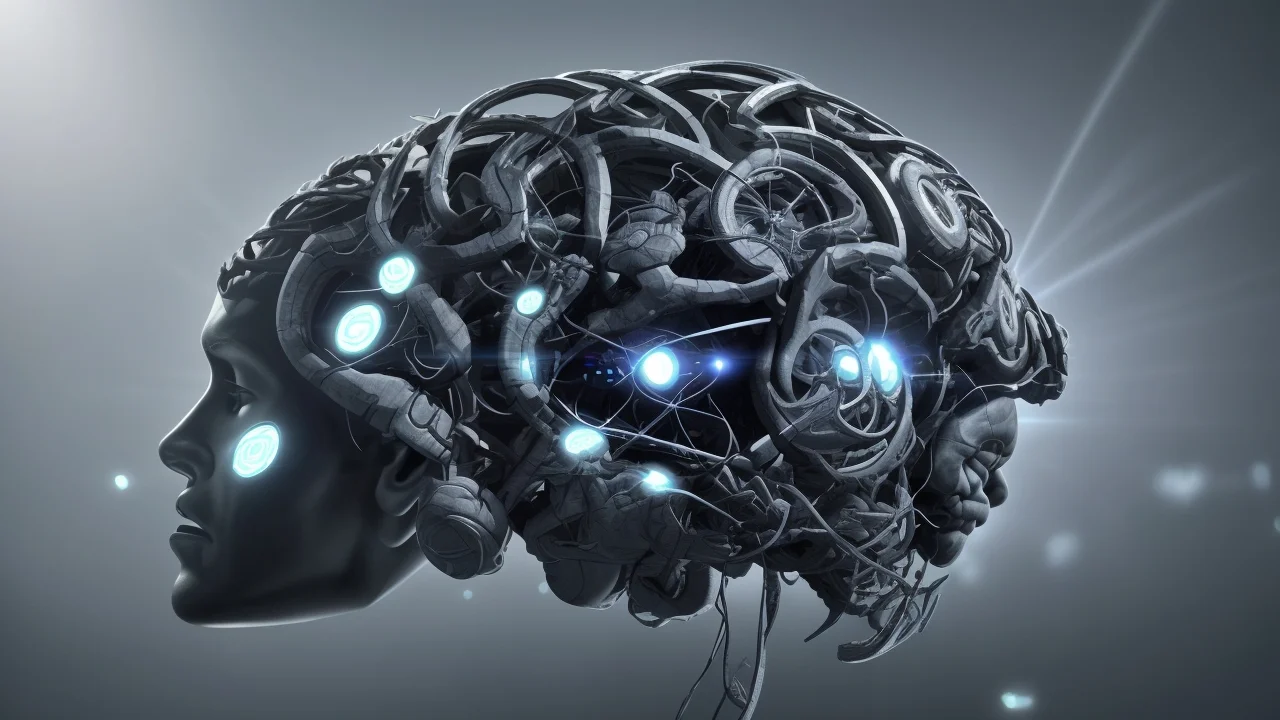
Sarah walks out of her friend’s birthday party, car keys jingling in her palm. The night air feels cool against her face, but her mind is burning hot with embarrassment. She keeps hearing her own voice from twenty minutes ago: “Oh, I love your dress! Where did you get it?” But instead of answering, her friend had just smiled tightly and turned to someone else.

Now Sarah’s brain won’t let it go. Was the smile fake? Did she sound desperate? Maybe her friend thinks she’s copying her style. By the time she reaches her car, Sarah has replayed that five-second interaction a dozen times, each replay making her feel smaller and more foolish.
Sound familiar? That mental movie theater that won’t stop showing the same uncomfortable scene isn’t just overthinking. There’s actual science behind why your brain becomes obsessed with certain conversations, and understanding it might finally help you find the remote control.

The psychology behind conversation replay
When you constantly replay conversations in your head, you’re experiencing what psychologists call rumination. It’s your brain’s way of trying to solve a puzzle that feels emotionally important, even when there’s really nothing to solve.
“Rumination is like having a song stuck in your head, except instead of a catchy tune, it’s usually an uncomfortable social moment,” explains Dr. Michael Chen, a cognitive behavioral therapist. “Your brain thinks if it can just analyze the conversation enough, it can prevent similar situations in the future.”
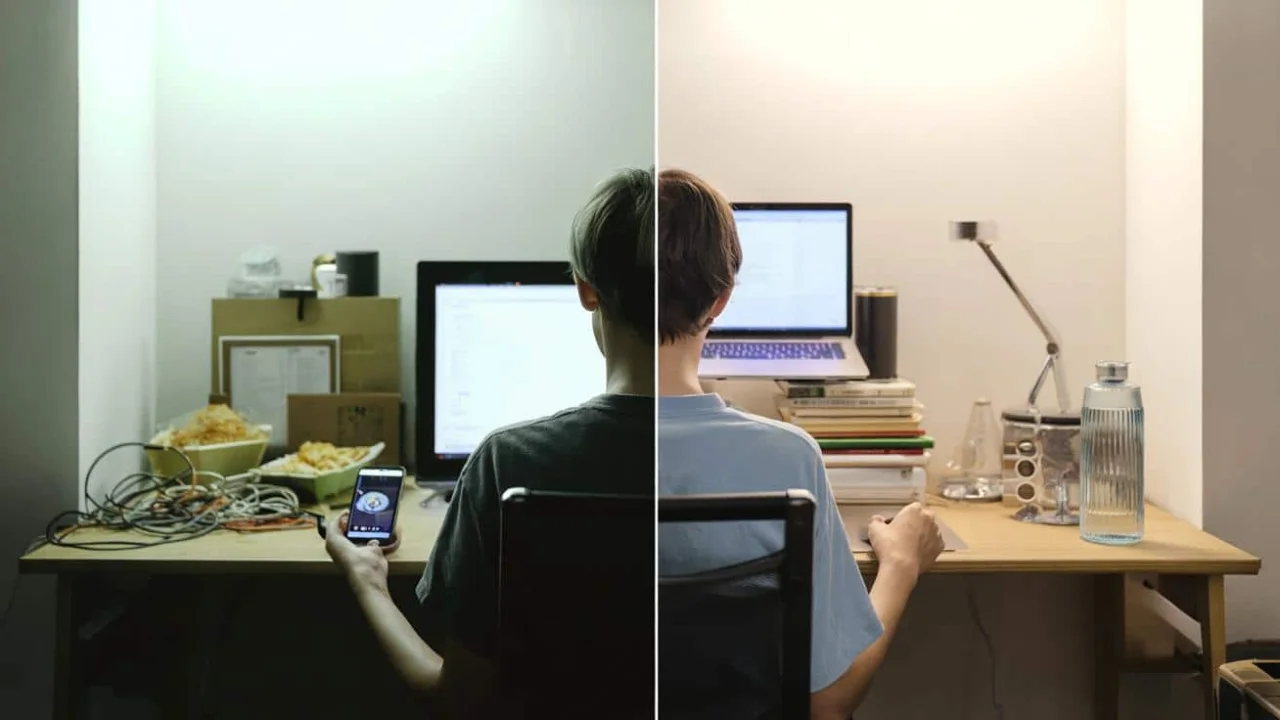
The problem is that your mind treats social uncertainty like a genuine threat. That awkward pause during your job interview or the way your date didn’t laugh at your joke triggers the same alarm system that would fire if you were facing physical danger.
Your brain essentially says: “Something went wrong here. We need to figure out exactly what happened so we can avoid this threat next time.” So it keeps running the tape, looking for clues, patterns, or solutions that probably don’t exist.

This process becomes especially intense when conversations involve:
- Potential rejection or disapproval
- Authority figures like bosses or teachers
- People whose opinions matter deeply to you
- Situations where you felt vulnerable or exposed
- Moments that challenged your self-image

What triggers the mental replay loop
Not every conversation gets stuck on repeat in your head. Certain factors make some interactions more likely to become mental prisoners than others.
| Trigger Type | Why It Sticks | Common Examples |
|---|---|---|
| Ambiguous responses | Your brain hates uncertainty | Neutral facial expressions, one-word answers |
| Social mistakes | Threatens your belonging | Saying something awkward, misreading social cues |
| Power dynamics | Higher stakes feel more dangerous | Boss interactions, teacher conferences, first dates |
| Unfinished business | Your mind craves closure | Arguments that ended abruptly, important topics avoided |
“We replay conversations most when they challenge our sense of how others see us,” notes Dr. Lisa Rodriguez, a social psychologist. “Your brain is essentially asking: ‘Am I still safe in this relationship? Do they still like me? Did I damage something important?'”
The replay loop often gets worse when you’re already stressed, tired, or dealing with low self-esteem. Your emotional state acts like a volume knob, turning up the intensity of your mental replays.
People with anxiety or perfectionist tendencies are particularly vulnerable to getting trapped in these cycles. Their brains are already hypervigilant about potential threats, so social interactions get extra scrutiny.
How conversation replaying affects your daily life
When you constantly replay conversations, the impact goes far beyond just feeling annoyed with yourself. This mental habit can genuinely disrupt your ability to function and enjoy life.
The most obvious effect is distraction. While your mind is busy rewatching yesterday’s awkward moment, you’re not fully present for today’s experiences. You miss parts of new conversations because you’re still analyzing old ones.
Sleep often takes a hit too. Many people find themselves lying awake at night, their brain serving up a greatest hits collection of every uncomfortable interaction from the past week. The replay button seems to get especially active right when you’re trying to wind down.
“I see patients who’ve lost hours of sleep replaying a single conversation that lasted maybe two minutes,” says Dr. Jennifer Walsh, a sleep specialist. “Their minds become like broken records, stuck on the same groove.”
Relationships can suffer as well. When you’re constantly analyzing past conversations, you might start avoiding certain people or situations altogether. You second-guess yourself in new interactions, worried about creating another moment you’ll replay endlessly.
The replaying habit also tends to distort your memories. Each time you mentally replay a conversation, you’re not accessing a perfect recording. You’re reconstructing it, often adding extra layers of meaning, tone, or emotion that weren’t actually there.
Over time, this can create a version of events that’s much more negative than what actually happened. That neutral “okay” from your friend might transform into a cold dismissal in your memory, even though they were probably just distracted.
Breaking free from the replay loop requires recognizing when it’s happening and having strategies to redirect your attention. The goal isn’t to never think about conversations again, but to prevent them from hijacking your mental resources for hours or days at a time.
Simple techniques like the “5-4-3-2-1” grounding method can help pull you back to the present when you notice your mind getting stuck. Name five things you can see, four things you can touch, three things you can hear, two things you can smell, and one thing you can taste.
“The key is catching yourself in the act,” explains Dr. Rodriguez. “Once you notice you’re replaying, you can choose to redirect your attention somewhere more productive.”
FAQs
Is it normal to replay conversations in your head?
Yes, most people do this occasionally. It becomes problematic when it’s frequent, distressing, or interferes with daily activities.
How long should I expect a conversation to stick in my mind?
Minor social interactions typically fade within hours or days. If you’re still replaying something weeks later, it might help to talk to someone about it.
Does replaying conversations mean I have anxiety?
Not necessarily, though people with anxiety do tend to replay conversations more frequently and intensely than others.
Can replaying conversations actually be helpful?
Brief reflection can help you learn from social interactions. The problem starts when brief reflection becomes endless rumination.
What’s the difference between normal reflection and unhealthy rumination?
Healthy reflection leads to insights and moves forward. Rumination loops endlessly without reaching conclusions or solutions.
Should I try to stop all conversation replaying?
The goal is balance, not elimination. Some reflection is normal and useful, but chronic replaying that causes distress should be addressed.
About the Author
