
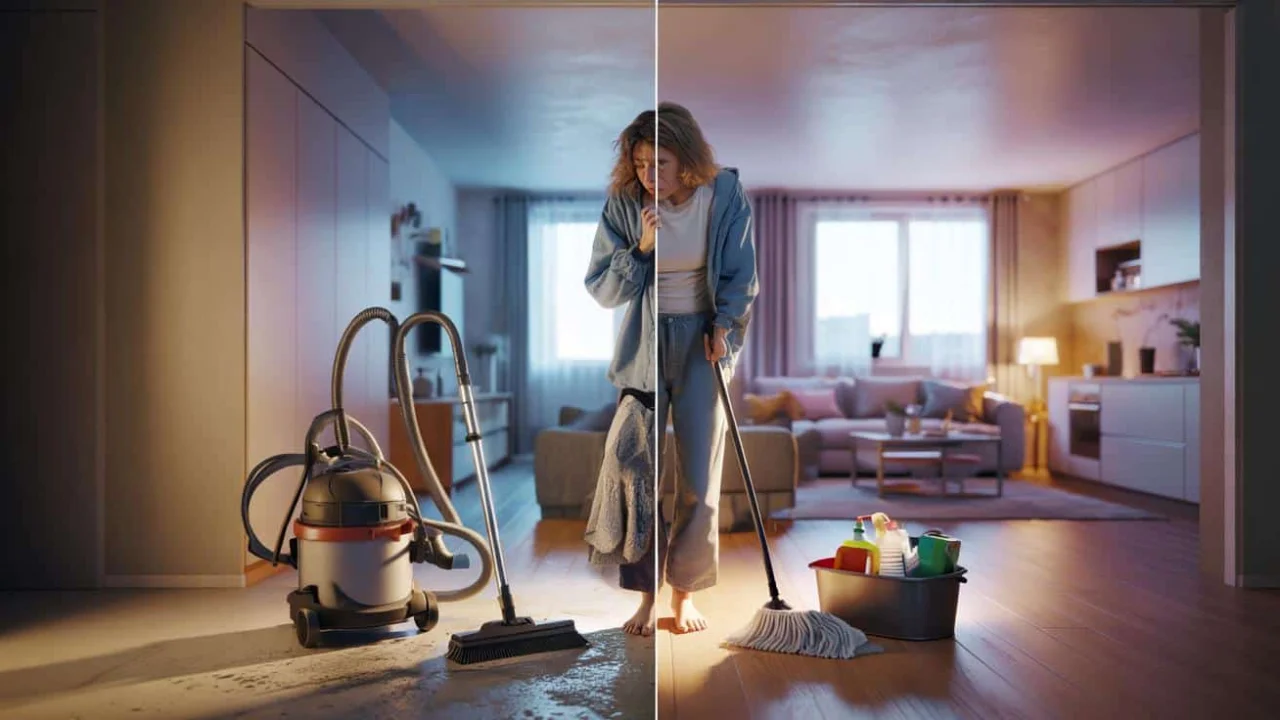
Sarah sits in her car after work every day for exactly seven minutes. She scrolls through Instagram, takes three deep breaths, and mentally rehearses walking into her apartment with a smile. Her roommate can never know she spent the entire commute crying over a comment her boss made six hours ago.

What Sarah doesn’t realize is that right now, thousands of people are sitting in their cars doing the exact same ritual. Different triggers, same emotional dance. The crying, the composing, the performance of being fine.
This is the paradox of emotional habits: they feel intensely personal while being remarkably universal. Psychology reveals that our most private emotional responses follow predictable patterns shared across cultures, ages, and backgrounds.

The Science Behind Our Shared Emotional Patterns
Our brains operate with a surprisingly limited toolkit when processing emotions. Despite feeling like each person’s emotional landscape is unique, psychological research shows we all draw from the same basic set of responses.
Dr. Lisa Feldman Barrett, a leading emotion researcher, explains it simply: “Your brain constructs emotions from a palette of basic ingredients that every human shares. The combinations feel personal, but the paint colors are universal.”
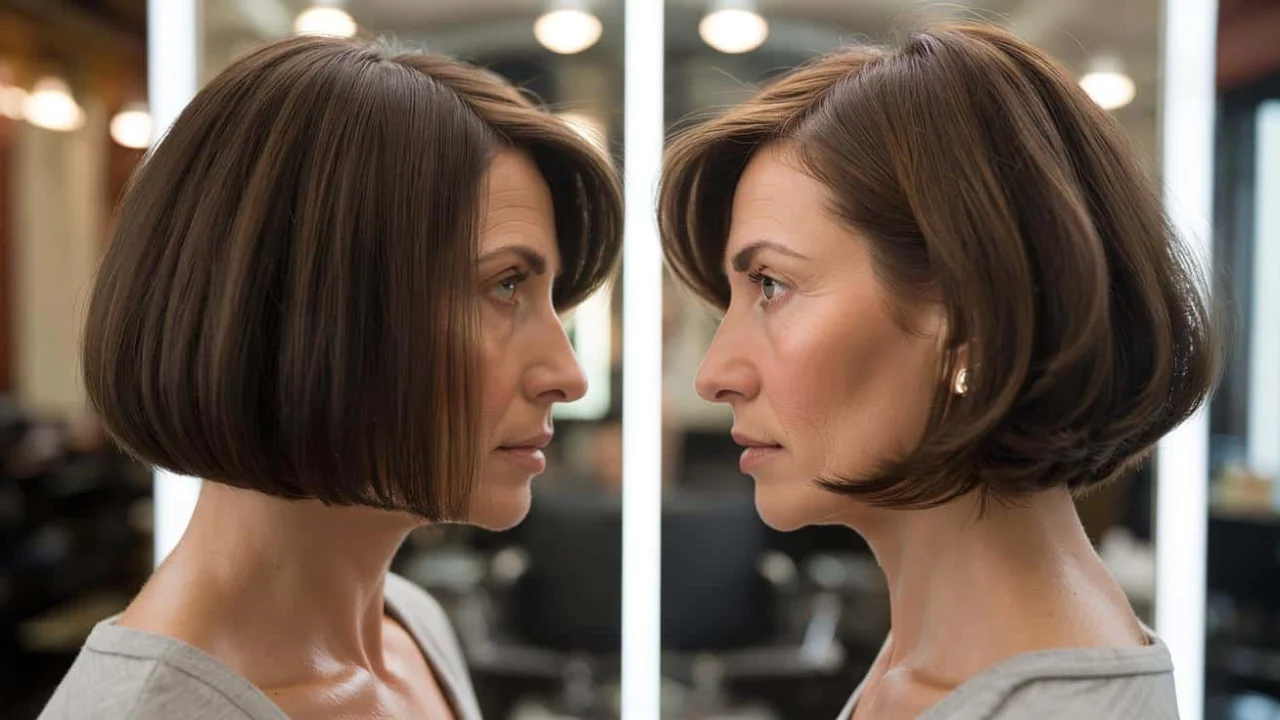
These emotional habits develop as survival mechanisms. When we face stress, rejection, or uncertainty, our brains automatically select from proven strategies: fight, flight, freeze, or fawn. Over time, these responses become so automatic we don’t even notice we’re using them.
Consider Tom, who discovered his “unique” way of handling conflict – making jokes to deflect tension – has a clinical name: humor as defense mechanism. His discovery came during couples therapy when his partner complained he “never took anything seriously.” Suddenly, his entire personality felt like a borrowed script.

The unsettling truth is that our most intimate emotional experiences cluster into recognizable categories. That middle-of-the-night anxiety spiral? It follows the same neurological pathway for millions of people. The way you shut down during criticism? Textbook emotional regulation strategy number four.
Common Emotional Habits We All Share
Research identifies several core emotional habits that appear across virtually all human populations. These patterns emerge regardless of culture, education, or personal history:
| Emotional Habit | What It Looks Like | How Common |
|---|---|---|
| Rumination | Replaying conversations, overthinking decisions | 73% of people |
| Emotional Avoidance | Shutting down during conflict, changing subjects | 68% of people |
| People-Pleasing | Saying yes when you mean no, avoiding confrontation | 64% of people |
| Catastrophizing | Imagining worst-case scenarios, “what if” spirals | 61% of people |
| Emotional Numbing | Feeling disconnected, going through motions | 58% of people |
The most common emotional habits include:
- Validation Seeking – Constantly checking for approval through likes, compliments, or agreement
- Emotional Eating – Using food to manage stress, boredom, or sadness
- Procrastination as Anxiety Management – Avoiding tasks that trigger feelings of inadequacy
- Social Comparison – Measuring self-worth against others’ apparent success
- Perfectionism – Setting impossible standards to avoid criticism or failure
- Emotional Labor – Managing others’ emotions at the expense of your own
“When clients realize their ‘weird’ habits are actually textbook psychology, they often feel relief mixed with disappointment,” notes Dr. Michael Chen, a behavioral psychologist. “Relief that they’re not broken, disappointment that they’re not special.”
These patterns develop early and become so automatic that we mistake them for personality traits. The girl who learned to be funny to avoid her parents’ arguments grows up thinking she’s “naturally” the entertaining one. The boy who went quiet during family chaos becomes an adult who “just doesn’t like conflict.”
Why Recognition Changes Everything
Understanding that your emotional habits aren’t unique quirks but shared human patterns creates a profound shift. Suddenly, the voice saying “Why am I like this?” gets quieter.
Rachel, a 28-year-old teacher, spent years believing her need to control every detail stemmed from her “naturally anxious personality.” Learning about anxiety-driven hypervigilance helped her see the pattern differently. “It wasn’t my broken brain,” she says. “It was my brain trying to keep me safe the only way it knew how.”
This recognition doesn’t diminish the real impact these habits have on daily life. Maya still rewrites emails five times. Dan still shuts down during arguments. But now they understand they’re dealing with learned patterns, not permanent personality flaws.
The practical implications are significant:
- Emotional habits can be unlearned and replaced with healthier patterns
- Understanding the “why” behind reactions reduces self-judgment
- Recognizing patterns in others increases empathy and patience
- Therapy becomes more focused when you can name specific habits
Dr. Sarah Thompson, who specializes in cognitive behavioral therapy, puts it this way: “Once people stop thinking they’re uniquely damaged, they can start focusing on what actually helps. The shame spiral becomes a learning opportunity.”
The universality of these patterns also explains why certain books, movies, or songs resonate so deeply. They reflect emotional experiences we all share but rarely discuss openly. That feeling of being seen and understood isn’t magic – it’s recognition of shared human psychology.
Perhaps most importantly, understanding emotional habits as learned responses rather than fixed traits opens the door to change. You can’t fix a personality flaw, but you can absolutely modify a habit that no longer serves you.
FAQs
Are emotional habits the same as personality traits?
No. Personality traits are relatively stable patterns, while emotional habits are learned responses that can be changed with awareness and practice.
Why do we develop these patterns if they’re often unhelpful?
Most emotional habits started as useful coping mechanisms during childhood or stressful periods, but outlived their usefulness as circumstances changed.
Can you really change emotional habits that feel automatic?
Yes, but it takes consistent practice. The brain’s plasticity allows new neural pathways to form, gradually replacing old automatic responses.
How long does it typically take to change an emotional habit?
Research suggests 66 days on average for habit formation, but emotional patterns may take longer since they’re often deeply ingrained and tied to multiple triggers.
Is it normal to feel disappointed that your struggles aren’t unique?
Completely normal. Many people experience a brief sense of lost specialness before feeling relief that they’re not alone in their experiences.
Should everyone try to change their emotional habits?
Only if the habits are causing distress or interfering with relationships and goals. Some emotional patterns serve useful functions and don’t need changing.
About the Author
