Maria stared at her phone in disbelief as she scrolled through the morning headlines. “EU bans caffeine,” read one sensational post on social media. She glanced at the steaming espresso in her hand – the third one before 10 AM – and felt a wave of panic. Was her daily ritual now officially dangerous?
Like millions of Europeans, Maria’s morning routine revolves around that first precious cup of coffee. The thought of regulatory authorities targeting her beloved caffeine fix felt personal, almost insulting. But as she dug deeper into the actual story, she discovered the reality was far more nuanced than the viral headlines suggested.
The truth is, your morning coffee isn’t under attack. What’s happening with EU caffeine labeling is actually about protecting people from extreme doses of pure caffeine – not stopping you from enjoying your daily brew.

What This EU Caffeine Labeling Actually Means
The European Union has officially classified caffeine as “harmful to health if ingested” under their updated chemical safety regulations. But before you dump your coffee down the drain, here’s what’s really going on.
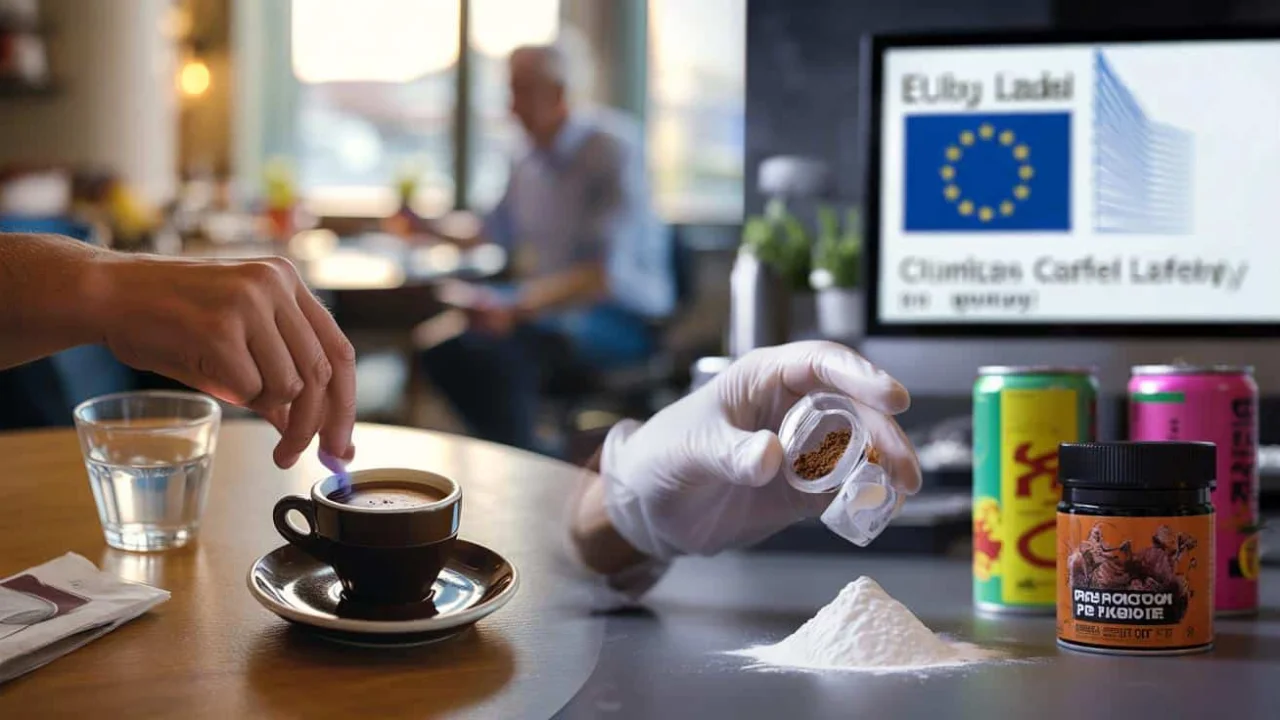
This isn’t a food ban or an attack on coffee culture. The EU caffeine labeling applies to concentrated, pure caffeine used in industrial applications, certain supplements, and pesticides. Your local café isn’t closing down, and that energy drink in the vending machine isn’t disappearing.
“This label targets scenarios where people might encounter dangerous concentrations of caffeine, not your everyday cup of joe,” explains Dr. Sarah Chen, a food safety researcher at the European Centre for Disease Prevention and Control.
The European Food Safety Authority (EFSA) spent years reviewing hundreds of studies on caffeine’s effects. They weren’t just looking at how alert it makes you feel – they examined its impact on your heart, blood pressure, body temperature, and nervous system.
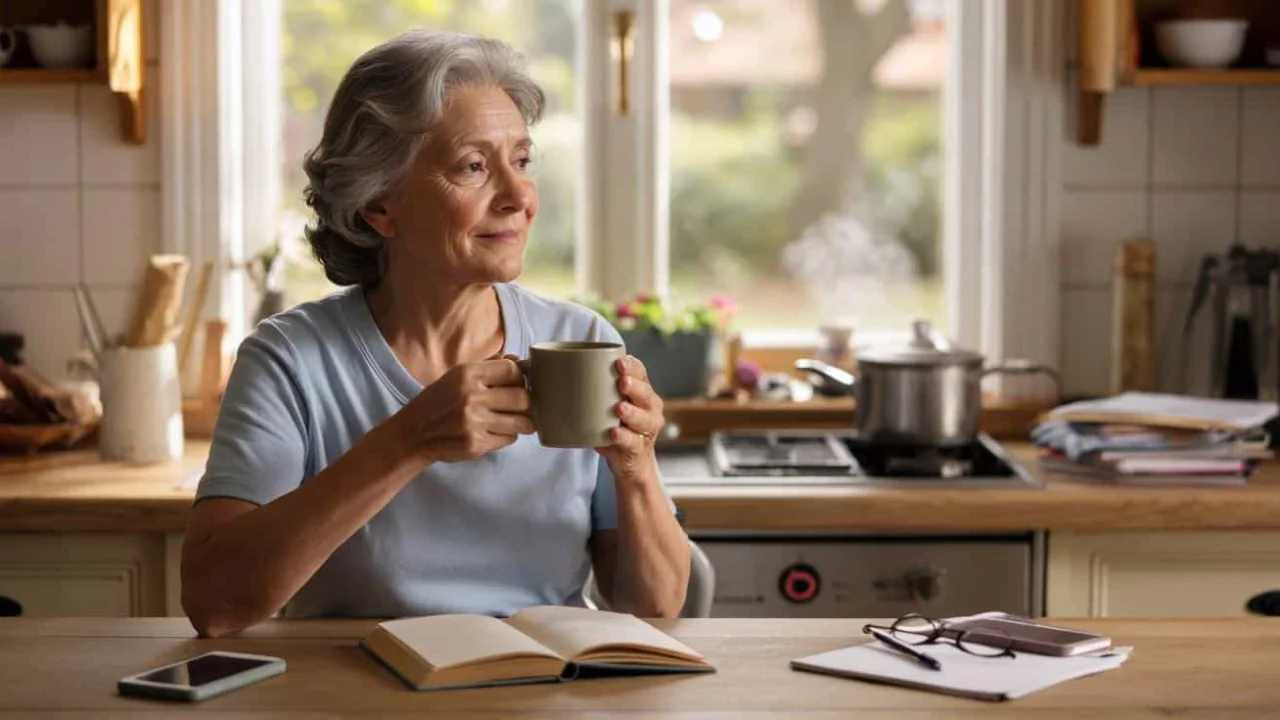
The concern isn’t about moderate consumption. It’s about what happens when caffeine intake skyrockets beyond normal levels, especially in vulnerable populations like children, pregnant women, and people with heart conditions.
Breaking Down the Real Risks and Safe Limits
EFSA’s research reveals that caffeine becomes problematic when consumed in extreme amounts. Here’s what actually happens to your body when caffeine levels get dangerous:

- Cardiovascular system: High doses can spike heart rate and blood pressure, potentially triggering dangerous palpitations
- Sleep and anxiety: Excessive caffeine disrupts sleep patterns and can trigger severe anxiety or panic attacks
- Temperature regulation: Large amounts interfere with your body’s ability to manage heat
- Hydration: Caffeine’s diuretic effects become pronounced at high doses, potentially leading to dehydration
- Pregnancy risks: Studies link high caffeine intake during pregnancy to lower birth weights
But what counts as “high doses”? The numbers might surprise you:
| Group | Safe Daily Limit | Equivalent In Coffee |
| Healthy Adults | 400mg | 4-5 cups |
| Pregnant Women | 200mg | 2 cups |
| Teenagers | 3mg per kg body weight | 1-2 cups for average teen |
| Children | 3mg per kg body weight | Should avoid coffee entirely |
“Most people consuming normal amounts of coffee, tea, or standard energy drinks won’t come close to these danger zones,” notes Dr. Michael Rodriguez, a cardiologist specializing in caffeine’s effects on heart health.
The real concern lies with pure caffeine powder, ultra-concentrated supplements, and certain pre-workout formulas that can deliver massive doses in a single serving. These products can contain 500-1000mg of caffeine – equivalent to drinking 10 cups of coffee at once.
How This Affects Your Daily Life
For the average coffee drinker, the EU caffeine labeling changes absolutely nothing about your daily routine. Your morning espresso, afternoon tea break, and occasional energy drink remain perfectly legal and available.
However, this labeling could impact certain industries and products. Supplement manufacturers might need to reformulate ultra-high caffeine products or add clearer warning labels. Some pre-workout supplements popular in gyms could face scrutiny.
The bigger picture involves protecting consumers from products that pack dangerous amounts of caffeine without clear warnings. Pure caffeine powder, for instance, can be lethal – just one teaspoon contains about 3200mg, roughly equivalent to 32 cups of coffee.
“We’ve seen emergency room visits from people who miscalculated pure caffeine powder doses,” explains Dr. Lisa Thompson, an emergency medicine physician. “A warning label might prevent someone from accidentally consuming a dangerous amount.”
Parents might also benefit from this clarity. Some energy drinks marketed to teenagers contain caffeine levels that exceed safe recommendations for young people. Clearer labeling helps families make informed choices.
The coffee industry itself isn’t worried. Major roasters and café chains know their products fall well within safe consumption ranges. If anything, this regulation might help distinguish legitimate coffee products from potentially dangerous caffeine concentrates.
What could change is how extreme caffeine products are marketed and sold. Retailers might need to store high-concentration caffeine supplements differently or require additional age verification for purchases.
For consumers, the key takeaway is awareness. Understanding that caffeine exists on a spectrum – from your gentle morning tea to concentrated powders that require extreme caution – helps you make better choices about what you consume.
The EU caffeine labeling doesn’t signal the end of European coffee culture. Instead, it represents a measured approach to protecting people from genuine risks while preserving the daily rituals that millions enjoy safely every day.
FAQs
Will coffee shops need to remove caffeine products because of EU labeling?
No, standard coffee, tea, and energy drinks remain completely unaffected by these labeling requirements.
How much caffeine is actually dangerous for healthy adults?
The danger zone typically starts above 400mg daily, equivalent to about 4-5 cups of coffee consumed throughout the day.
Does this EU caffeine labeling apply to energy drinks?
Regular energy drinks sold in stores are not affected, as they contain caffeine levels within established safety limits.
Why did the EU decide to label caffeine as harmful now?
The decision focuses on protecting people from concentrated caffeine products and supplements that can contain dangerous doses in single servings.
Should pregnant women stop drinking coffee completely?
Pregnant women can safely consume up to 200mg of caffeine daily, roughly equivalent to two cups of coffee, according to health authorities.
What products will actually be affected by this new labeling?
Pure caffeine powders, ultra-concentrated supplements, certain pre-workout formulas, and industrial caffeine applications will require the new warning labels.
About the Author