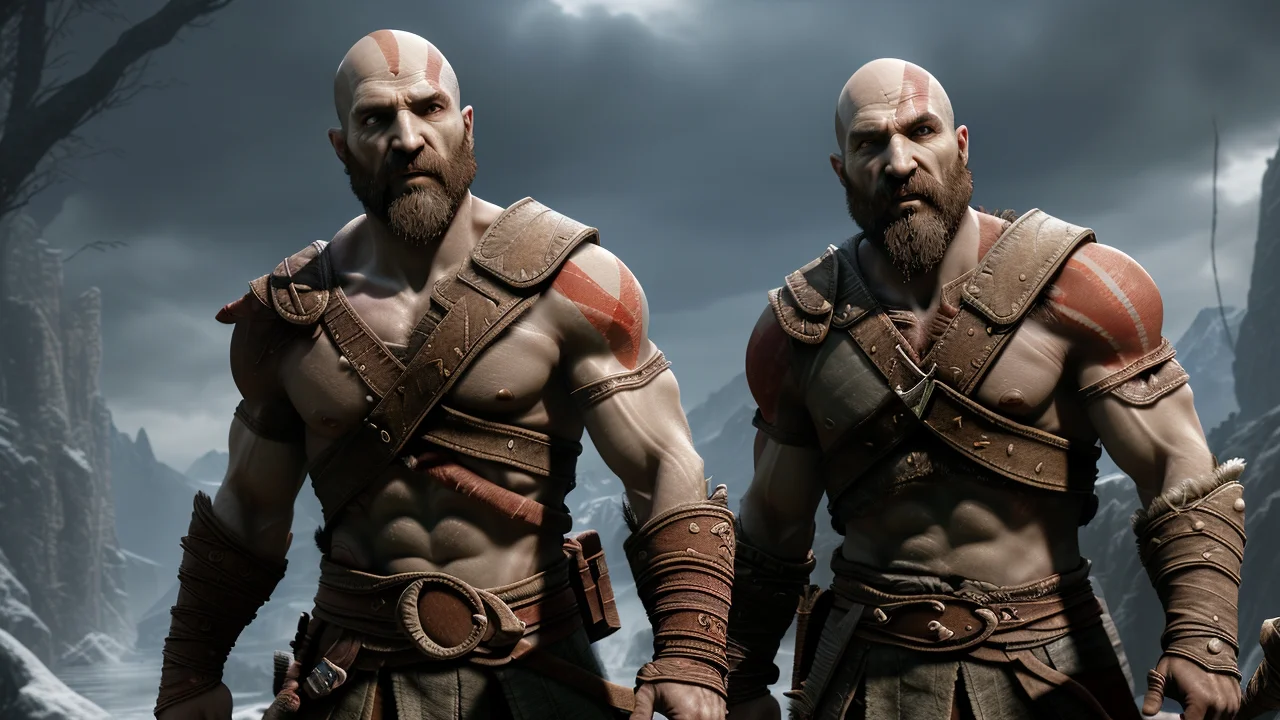
Picture this: you’re sitting in your living room, controller in hand, experiencing one of gaming’s most emotionally powerful moments as Kratos spreads his wife’s ashes from the highest peak in all the realms. The raw emotion, the stunning visuals, the perfect voice acting—everything clicks. Now imagine watching that same scene unfold on your TV screen, but something feels… off.

That’s the challenge facing Amazon’s upcoming God of War TV show, and it’s bigger than most fans realize. While everyone’s buzzing about seeing Kratos come to life on Prime Video, there’s a fundamental problem lurking beneath the surface that could derail the entire adaptation before it even begins.
The God of War TV show is choosing to start with the Norse mythology era, specifically adapting the 2018 game that redefined the franchise. On paper, it makes perfect sense—this version of God of War is fresher in people’s minds and tells a more contained, father-son story. But this decision might be the show’s biggest mistake.
Why Starting With Norse Mythology Misses the Mark
Here’s what most casual viewers don’t understand: the 2018 God of War isn’t really a beginning—it’s a redemption story. The entire emotional weight of Kratos’ journey with Atreus depends on understanding who Kratos was before he became a father.
“The Norse games work so well because they’re built on the foundation of Kratos’ Greek mythology past,” explains mythology consultant Dr. Sarah Mitchell. “Without that context, you’re essentially watching a generic angry dad story instead of one of gaming’s greatest redemption arcs.”
The original God of War trilogy wasn’t just about brutal combat and epic boss fights. It was a carefully constructed tragedy about a Spartan warrior tricked into killing his own family, then spending years seeking vengeance against the gods who manipulated him. That backstory transforms everything about the Norse era.
When Kratos tells Atreus “we must be better,” it hits differently when you know about his past sins. When he struggles to show affection, it’s because of centuries of guilt and rage. Without this foundation, the God of War TV show risks turning one of gaming’s most complex characters into just another gruff action hero.
The Problems This Creates for New Viewers
Amazon’s approach creates several significant challenges that could hurt the show’s appeal:
- Character Development Issues: Kratos’ growth feels unearned without showing his fall from grace
- Emotional Stakes: The father-son dynamic lacks the weight it carries in the games
- Mythology Confusion: Jumping between Greek and Norse references without proper setup
- Missing the Hook: The Greek games had more accessible, crowd-pleasing action sequences
- Pacing Problems: The Norse games are more introspective and slower-paced for television
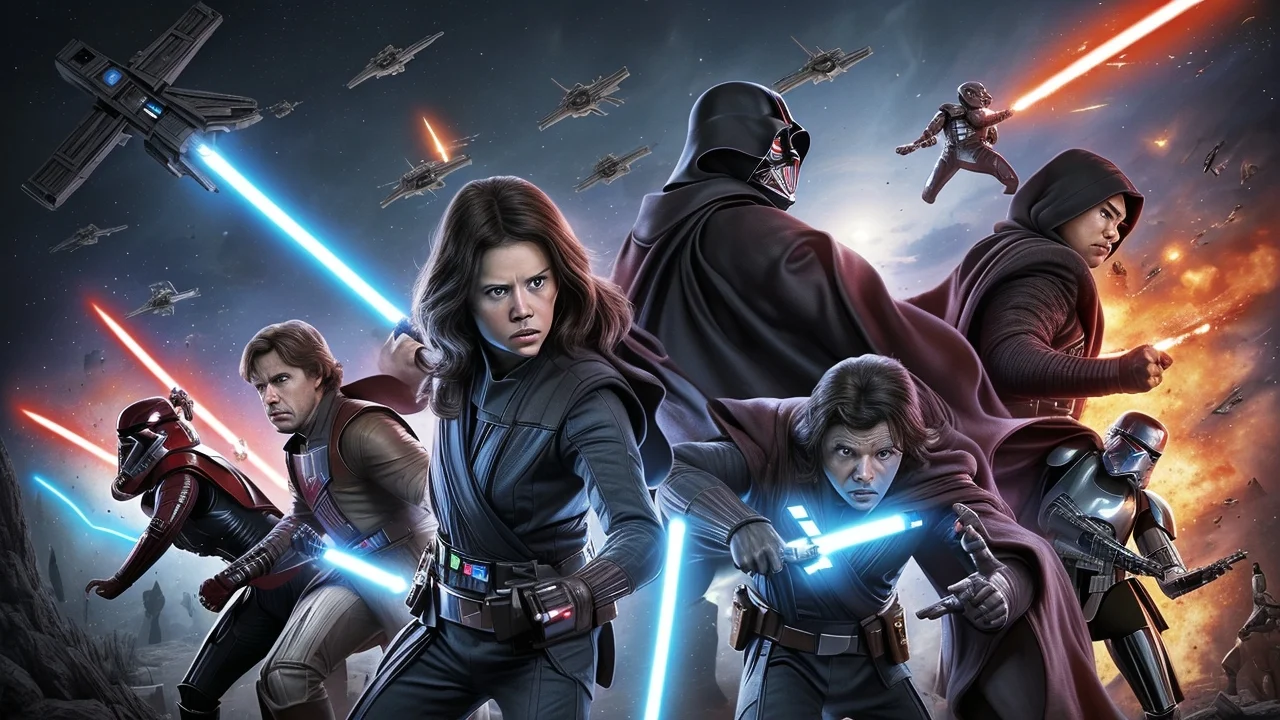
Consider how differently this plays out for someone who’s never touched a PlayStation controller. They’re meeting Kratos as a reformed character without understanding what he’s reformed from. It’s like starting Star Wars with Return of the Jedi and expecting viewers to care about Darth Vader’s redemption.
“Television adaptations work best when they can stand alone while honoring the source material,” notes entertainment industry analyst Mark Rodriguez. “Starting mid-story creates unnecessary barriers for new audiences.”
| Adaptation Approach | Pros | Cons |
|---|---|---|
| Starting with Norse Era | Modern graphics appeal, father-son story, recent game success | Missing character foundation, confusing mythology, less action |
| Starting with Greek Era | Complete story arc, better action sequences, clearer character motivation | Older game graphics, more violent content, longer commitment |
What This Means for the Show’s Future
The decision to adapt the Norse era first creates a domino effect that could impact the entire series. If the God of War TV show succeeds despite this challenge, Amazon will likely continue with the Norse storyline. But if it struggles to find an audience, the blame might unfairly fall on the source material rather than the adaptation choices.
This approach also limits the show’s potential for exploring Kratos’ most iconic moments. The Greek mythology era featured some of gaming’s most memorable boss fights and dramatic set pieces—imagine seeing Kratos scale Mount Olympus or battle the massive Titan Cronos on your TV screen.
More importantly, it affects how the show can develop its supporting characters. Atreus works brilliantly in the games because players have invested years in Kratos’ journey. For TV viewers meeting him fresh, he might come across as just another angsty teenager rather than the key to his father’s redemption.
“The risk is that audiences will see this as just another generic fantasy show rather than the deeply personal story it’s meant to be,” warns streaming content specialist Lisa Chen. “Without the proper setup, even the best performances might not land with the emotional impact they should.”
The God of War TV show also faces the challenge of explaining Kratos’ powers and abilities without showing their origin. In the games, players gradually unlock new abilities and learn about his godly heritage through gameplay and cutscenes. Television viewers will need to accept his superhuman strength and magical weapons without that progressive revelation.
There’s also the matter of tone. The Greek era games balanced brutal action with mythological spectacle, while the Norse games focus more on character development and quieter moments. For a streaming audience expecting the next big fantasy epic, the more contemplative pace might not deliver the immediate thrills they’re seeking.
Could This Strategy Actually Work?
Despite these concerns, there are some potential upsides to Amazon’s approach. Starting with the Norse era does allow the God of War TV show to begin with its most emotionally mature storyline. The 2018 game won critical acclaim specifically for its character development and storytelling sophistication.
Ronald D. Moore’s involvement as showrunner also provides hope. His work on Battlestar Galactica proved he can take beloved source material and create something that honors the original while standing on its own merits. If anyone can make this approach work, it’s probably him.
The casting choices also suggest the production team understands the material. Ryan Hurst brings the physical presence and dramatic chops needed for Kratos, while Mandy Patinkin’s Odin promises to be a fascinating interpretation of the All-Father.
Still, the fundamental challenge remains: how do you make viewers care about a character’s redemption story without first showing them what he needs redemption for? The God of War TV show will need to find creative ways to weave in Kratos’ backstory without resorting to clunky exposition dumps or confusing flashback sequences.
FAQs
When will the God of War TV show premiere on Prime Video?
Amazon hasn’t announced an official release date yet, but the show is currently in production with Ronald D. Moore as showrunner.
Why didn’t Amazon start with the original Greek mythology games?
The Norse era games are more recent and critically acclaimed, making them seem like a safer bet for attracting both fans and new viewers.
Will the show include any Greek mythology elements?
While the focus is on Norse mythology, Kratos’ Greek past will likely be referenced or shown in flashbacks to provide necessary character context.
Who is playing Kratos in the God of War TV show?
Ryan Hurst, known for his roles in Sons of Anarchy and The Walking Dead, has been cast as the lead character Kratos.
Can someone enjoy the show without playing the games?
That’s the big question—the show needs to work for newcomers while satisfying longtime fans, which is particularly challenging when starting mid-story.
Will the show be as violent as the games?
The Norse-era games are less gratuitously violent than the Greek trilogy, so the show will likely match that more restrained tone while still featuring action sequences.
About the Author