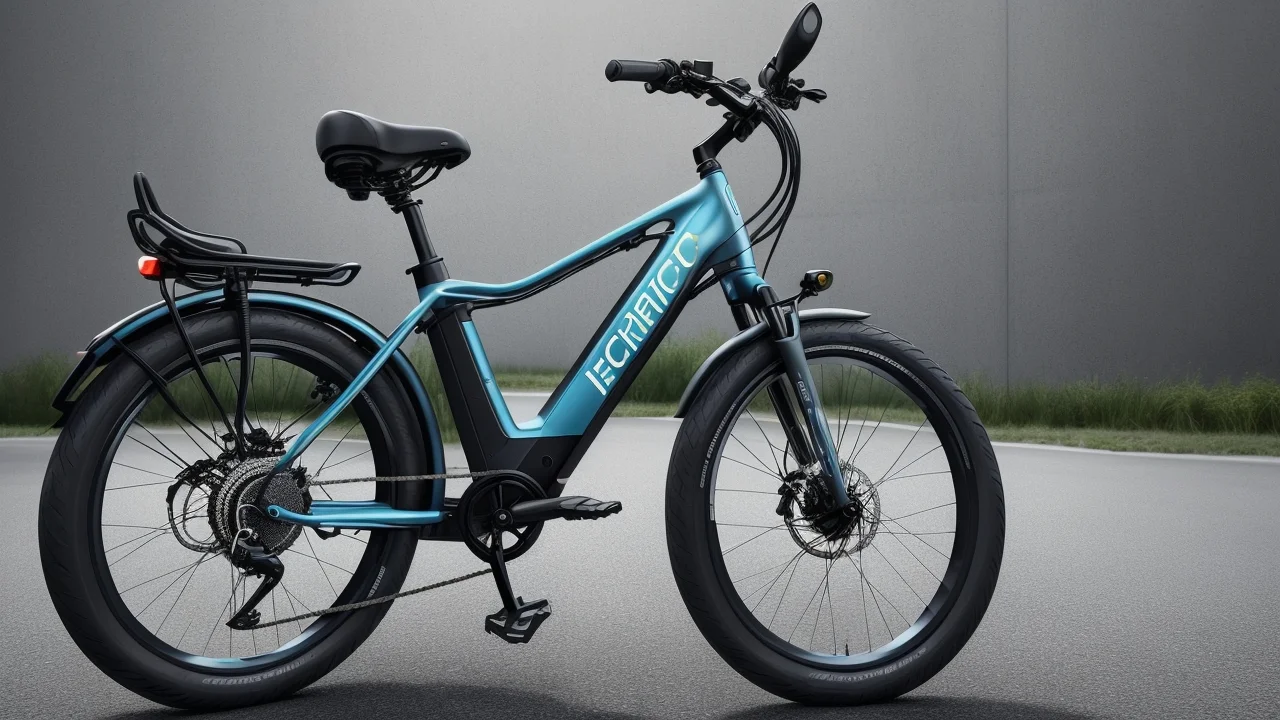
The first time I rolled my brand-new electric bike out of the shop, I felt like I’d just hacked city life. No more sweaty uphill slogs, no more crammed buses, no more waiting for delayed trains. The motor hummed softly, the wind brushed my face, and for twenty glorious minutes I was convinced I had everything I needed.
Then came the first rainy night ride. My jeans were soaked to the knee, my hands were frozen claws, a passing car splashed muddy water straight into my shoes, and I realized I couldn’t even lock the bike properly outside my building. The “dream commute” suddenly looked very incomplete.
Three years later, that same electric bike is still my daily companion. But my setup has nothing to do with that first naive day when I thought the bike itself was enough.
The Hidden Reality of Electric Bike Ownership
When you buy an electric bike, the sales pitch is beautifully simple: battery, motor, frame, off you go. The shop assistant might wave a helmet in your direction and mention some lights, then swipe your card and send you into traffic with a cheerful “enjoy the ride!”
The truth hits slowly, one uncomfortable experience at a time.

The first time your flimsy cable lock looks like a joke next to a row of serious U-locks. The first time your battery dies halfway home because you forgot to charge it overnight. The first time you brake hard in the rain and feel that terrifying moment when your wheels lose grip.
“Most people think they’re buying transportation, but they’re actually buying into an entire ecosystem,” explains Mark Chen, a bike shop owner with fifteen years of experience. “The bike is just the foundation.”

That ecosystem includes weather protection, security, visibility, comfort, and maintenance tools. Without these electric bike accessories, you’re not really ready for daily riding – you’re just prepared for perfect conditions that rarely exist in real life.
Essential Electric Bike Accessories You Actually Need
After three years of trial, error, and several expensive lessons, here’s what should have been on my original shopping list:

Security Essentials
- Heavy-duty U-lock: Your cable lock is basically a polite suggestion to thieves
- Chain lock for the rear wheel: Because stealing just the front wheel is still profitable
- Battery lock: Removable batteries are goldmines for thieves
- GPS tracker: Hidden backup for when locks fail
Weather Protection
- Fenders: Unless you enjoy arriving at work with a muddy stripe up your back
- Waterproof pannier bags: Your laptop doesn’t appreciate getting soaked
- Rain gear: Proper cycling jacket and pants, not your old hiking gear
- Winter gloves: Regular gloves become useless ice blocks at 25 mph
Visibility and Safety
- Powerful front light: Those built-in LED strips are decorative at best
- Rear light with brake detection: Cars need to know when you’re stopping
- Reflective vest or jacket: Especially crucial for dawn and dusk rides
- Mirror: Traffic awareness without constant shoulder checks
| Accessory Category | Budget Option | Mid-Range | Premium |
|---|---|---|---|
| U-Lock | $40-60 | $80-120 | $150-200 |
| Lights (set) | $30-50 | $70-100 | $150-250 |
| Fenders | $25-40 | $60-80 | $100-150 |
| Pannier Bags | $50-80 | $120-180 | $250-400 |
Sarah Martinez, a cycling safety instructor, puts it bluntly: “I see new e-bike owners make the same mistakes constantly. They spend $2,000 on a bike and $50 on everything else, then wonder why their experience is miserable.”
The Real-World Impact of Proper Equipment
Here’s what nobody tells you: the right electric bike accessories don’t just make riding more comfortable – they make it sustainable as a daily transportation choice.
Without proper fenders, that one rainy commute will have you back on the bus for weeks. Without a serious lock, you’ll spend every workday anxious about your bike’s survival. Without decent lights, you’ll find yourself avoiding evening rides entirely.
“The difference between someone who uses their e-bike occasionally versus daily usually comes down to accessories,” notes Tom Rodriguez, who runs an urban cycling blog. “The bike gets you moving, but the gear keeps you moving.”
Consider the domino effects: inadequate rain protection leads to avoiding rides on cloudy days. Poor lighting makes you skip evening errands. A theft-prone lock means you can’t stop anywhere interesting. Suddenly, your “freedom machine” has more restrictions than your old car.
The financial impact matters too. Replacing a stolen e-bike costs far more than investing in proper security upfront. Emergency gear purchases during winter storms cost double what planning ahead would have.
But when you get the accessory mix right, something magical happens. Weather stops being a factor in your travel decisions. Your range expands beyond just commuting to include errands, social visits, and spontaneous adventures.
“I track my car usage, and it dropped 70% once I had my full e-bike setup dialed in,” shares Jennifer Park, a daily e-bike commuter. “The bike became my default choice instead of my backup plan.”
Three years in, my electric bike accessories list has grown to include tire repair kits, phone mounts, extra batteries, and seasonal gear swaps. Each addition solved a specific problem I didn’t know I’d have.
The total accessory investment? About 40% of the bike’s original cost. That sounds like a lot until you realize it’s what transformed an expensive toy into reliable daily transportation that’s already saved me thousands in gas, parking, and public transit costs.
FAQs
How much should I budget for electric bike accessories?
Plan to spend 30-50% of your bike’s cost on essential accessories over the first year.
What’s the most important accessory for new e-bike owners?
A high-quality U-lock is absolutely critical – everything else is replaceable, but losing your bike ends the whole experience.
Do I need different accessories for different seasons?
Yes, winter riding requires gloves, lights for shorter days, and often studded tires, while summer focuses more on cooling and sun protection.
Can I buy accessories gradually or should I get everything at once?
Start with security, lights, and fenders immediately, then add comfort and convenience items as you identify your specific needs.
Are expensive accessories worth the extra cost?
For items you use daily like locks and lights, investing in quality pays off in reliability and durability.
How do I know which accessories I actually need?
Consider your typical routes, weather conditions, and where you’ll park – your local environment determines your essential gear list.
About the Author