Sarah sits in her therapist’s office, fingers tracing the edge of a worn tissue box. Six months ago, she could barely drag herself out of bed. Depression had hollowed out her days, leaving her feeling like she was watching life through frosted glass. Today, something feels different. Not fixed, not cured, but different.

What Sarah doesn’t know is that inside her skull, something remarkable has been happening. While she’s been learning to challenge negative thoughts and process old wounds, her brain has been quietly rebuilding itself. Cell by cell, connection by connection.
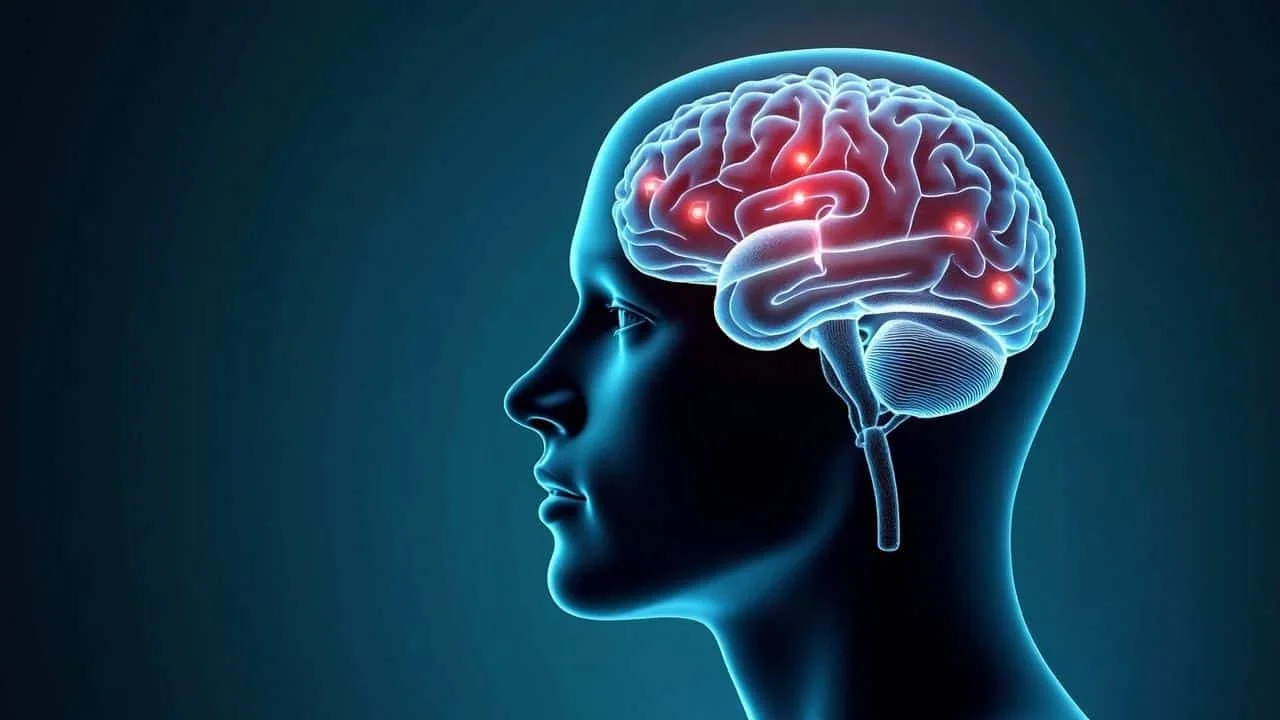
New research reveals that psychotherapy increases gray matter volume in people with depression, offering the first concrete proof that talk therapy literally changes the brain’s structure. This discovery is reshaping how we understand both depression and recovery.

Your Brain on Depression: More Than Just Sadness
Depression isn’t just feeling sad or unmotivated. When researchers scan the brains of people with chronic depression, they see something startling: actual shrinkage in key brain regions.
The prefrontal cortex, responsible for decision-making and emotional regulation, shows reduced volume. The hippocampus, crucial for memory and learning, appears smaller. These aren’t dramatic holes or obvious damage, but subtle thinning that affects how the brain processes emotions and thoughts.

“We used to think depression was purely a chemical imbalance,” explains Dr. Maria Rodriguez, a neuropsychiatrist at Stanford Medical Center. “Now we know it’s also structural. The brain physically changes with prolonged depression.”
But here’s where the story gets hopeful. Recent studies following depression patients through months of psychotherapy have found something unexpected: gray matter can grow back.

When researchers compared brain scans before and after therapy, they discovered measurable increases in gray matter volume, particularly in areas damaged by depression. The changes weren’t huge, but they were consistent and significant.
The Science Behind Talk Therapy’s Brain Benefits
Multiple studies have now confirmed that psychotherapy increases gray matter in specific brain regions. Here’s what the research shows:

- Prefrontal cortex growth: The brain region controlling decision-making and emotional regulation showed increased volume after 12-16 weeks of therapy
- Hippocampus recovery: Memory and learning centers demonstrated measurable thickening
- Anterior cingulate changes: Areas involved in attention and emotion processing showed structural improvements
- Timeline matters: Changes typically became visible after 3-4 months of consistent therapy sessions
The evidence comes from neuroimaging studies tracking patients through different types of therapy, including cognitive behavioral therapy (CBT), psychodynamic therapy, and mindfulness-based approaches.
| Brain Region | Function | Gray Matter Change | Time to See Results |
|---|---|---|---|
| Prefrontal Cortex | Decision-making, planning | 5-8% increase | 12-16 weeks |
| Hippocampus | Memory, learning | 3-6% increase | 16-20 weeks |
| Anterior Cingulate | Attention, emotion | 4-7% increase | 10-14 weeks |
| Amygdala | Fear, stress response | Reduced hyperactivity | 8-12 weeks |
“What’s fascinating is that different therapy approaches seem to create different patterns of brain change,” notes Dr. James Chen, who studies neuroplasticity at Johns Hopkins. “CBT might strengthen prefrontal areas more, while psychodynamic therapy affects emotional processing centers differently.”
The mechanism behind these changes involves neuroplasticity – the brain’s ability to form new neural connections. During therapy, patients practice new ways of thinking and responding. This mental exercise literally exercises brain circuits, strengthening connections and potentially growing new neurons.
What This Means for Depression Treatment
This research has profound implications for how we approach depression treatment. For decades, the focus has been on medication to correct chemical imbalances. While antidepressants remain valuable, the evidence that psychotherapy increases gray matter suggests therapy addresses depression at a deeper, structural level.
Dr. Lisa Thompson, who leads a depression research program at UCLA, puts it simply: “We’re not just helping people feel better temporarily. We’re helping their brains heal.”
The findings also help explain why therapy benefits often last longer than medication effects. When you stop taking antidepressants, brain chemistry returns to previous patterns. But structural brain changes from therapy appear more durable.
For patients, this research provides hope and validation. Depression often makes people feel like they’re “broken” or weak. Knowing that therapy creates measurable brain improvements helps combat self-blame and stigma.
The research also suggests optimal treatment approaches:
- Combination therapy: Medication plus psychotherapy may maximize brain healing
- Treatment duration: Longer therapy courses (6+ months) show more pronounced brain changes
- Session frequency: Weekly sessions appear more effective than monthly for structural brain changes
- Active participation: Patients who engage fully in therapy homework and exercises show greater gray matter increases
However, not everyone responds equally. Factors like age, depression severity, and genetics influence how much gray matter recovery occurs. Younger patients and those with less chronic depression tend to show more dramatic changes.
“The brain is remarkably plastic, but it needs the right conditions to heal,” explains Dr. Rodriguez. “Therapy provides those conditions by creating new neural pathways and strengthening healthy brain circuits.”
This doesn’t mean therapy is easy or quick. Brain changes take time, and recovery often involves setbacks. But knowing that each therapy session contributes to actual brain healing can motivate patients through difficult periods.
As research continues, scientists are exploring which specific therapy techniques most effectively promote gray matter growth. Early evidence suggests that therapies emphasizing mindfulness, emotional regulation skills, and cognitive restructuring show the strongest brain benefits.
For the millions struggling with depression, this research offers a new perspective: healing isn’t just about feeling better. It’s about rebuilding the brain itself, one conversation at a time.
FAQs
How long does it take for psychotherapy to increase gray matter?
Most studies show measurable brain changes after 12-16 weeks of regular therapy sessions, though some patients see changes earlier.
Do all types of therapy increase gray matter volume?
Research has found brain changes with CBT, psychodynamic therapy, and mindfulness-based approaches, though patterns may differ between therapy types.
Can medication alone increase gray matter in depression?
Some antidepressants show mild effects on brain structure, but psychotherapy appears to create more significant and lasting gray matter increases.
Will my brain return to normal after depression therapy?
While therapy can restore some gray matter volume, complete normalization varies by individual and depends on factors like depression severity and treatment duration.
Do I need brain scans to know if therapy is working?
No, brain scans aren’t necessary for treatment. Mood improvements and functional changes typically occur alongside brain structure changes.
Can older adults still see brain benefits from therapy?
Yes, though neuroplasticity decreases with age, older adults can still experience gray matter improvements from psychotherapy, often with slightly longer treatment periods.
About the Author
