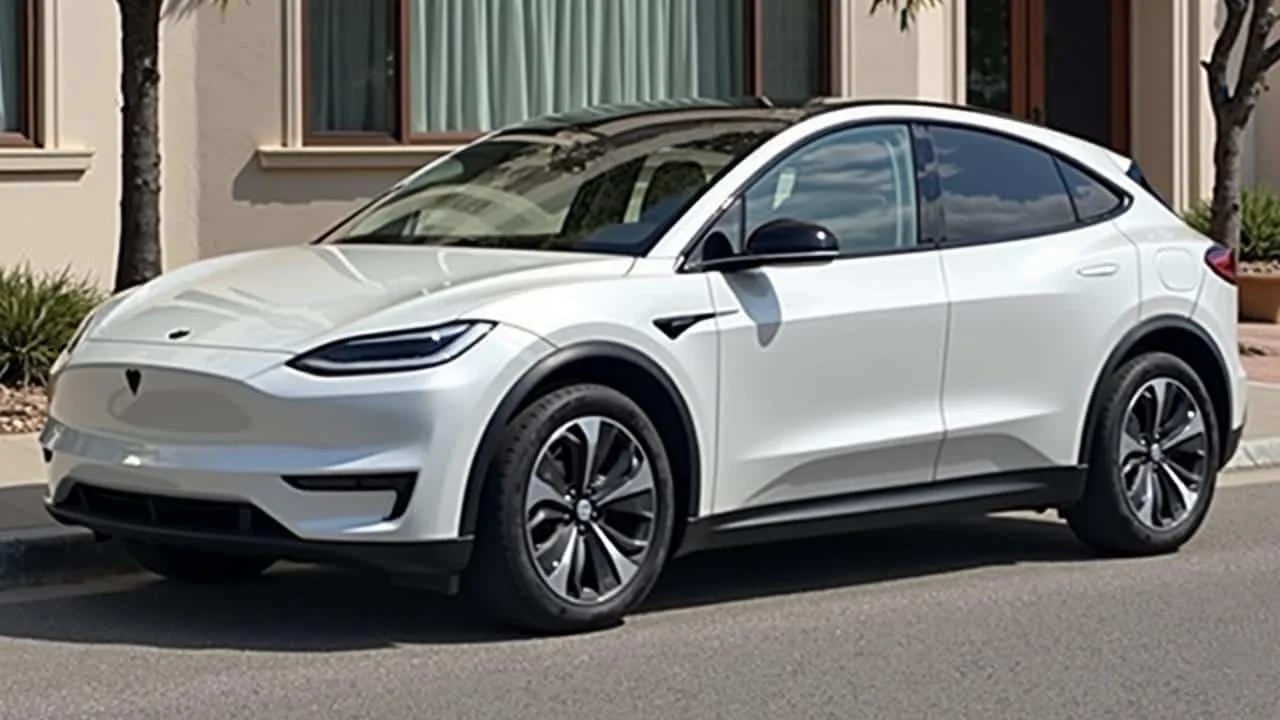
The mechanic’s hands were stained black as he crouched beside my car, running his fingers along what used to be tire tread. “These are shot,” he said, shaking his head. “How long you had this electric car?” When I told him two years, he actually chuckled. “Well, that’s about right. Most EV owners are shocked the first time.”

I stared at the quote on his tablet screen, the numbers swimming before my eyes. Four new tires, specialized for electric vehicles, installation included. The total made my stomach drop. Nobody at the dealership had mentioned this particular cost of going green.
Standing there in that garage, surrounded by the smell of rubber and oil, I realized I’d stumbled into one of the electric car industry’s best-kept secrets. The environmental savings were real, but so were these unexpected bills that kept showing up in my mailbox.

Why Electric Cars Devour Tires Faster Than You’d Expect
Electric vehicles are heavier than most people realize. That sleek Tesla or Nissan Leaf carries around a massive battery pack that can add 1,000 pounds or more compared to a similar gas car. All that extra weight presses down on your tires every single mile.
But weight is just the beginning of the story. Electric motors deliver instant torque the moment you press the accelerator. Unlike gas engines that gradually build power, EVs slam you back in your seat from a dead stop. That immediate power transfer puts enormous stress on the tire rubber.

“Most drivers don’t realize how much their driving style changes with an EV,” explains automotive engineer Sarah Martinez. “The instant acceleration is addictive, but it’s murder on tire tread life.”
Then there’s regenerative braking, which sounds eco-friendly but creates its own tire challenges. When you lift off the accelerator, the car slows down aggressively, transferring energy back to the battery. This constant acceleration and deceleration cycle wears tires unevenly.

Electric car tire costs become even more painful because you can’t just slap any old tire on your EV. These vehicles need specialized low-rolling-resistance tires designed to maximize range and handle the unique demands of electric powertrains.
The Real Numbers Behind Electric Vehicle Tire Expenses
The financial reality of EV tire replacement hits different when you see the actual costs laid out. Here’s what electric car owners can expect to pay compared to conventional vehicles:

| Vehicle Type | Tire Lifespan | Cost Per Tire | Annual Tire Cost |
|---|---|---|---|
| Gas Car (Compact) | 60,000-80,000 miles | $80-150 | $50-80 |
| Electric Vehicle | 25,000-40,000 miles | $200-400 | $200-400 |
| High-Performance EV | 15,000-25,000 miles | $300-500 | $600-1,000 |
Several factors drive these electric car tire costs higher:
- Specialized compounds: EV tires use harder rubber compounds for lower rolling resistance
- Reinforced construction: Extra layers to handle instant torque and vehicle weight
- Limited options: Fewer manufacturers make EV-specific tires, reducing competition
- Performance requirements: Must balance grip, efficiency, and noise reduction
- Size specifications: Many EVs use larger, lower-profile tires that cost more
“The tire industry is still catching up to the EV boom,” notes tire shop owner Mike Thompson. “Demand is high, selection is limited, and that drives prices up across the board.”
Some electric vehicle owners report spending $1,200-2,000 annually just on tire replacements, depending on their driving habits and vehicle model. Performance EVs like the Tesla Model S Plaid can burn through a set of rear tires in under 15,000 miles with spirited driving.
What This Means for Electric Car Buyers
The hidden tire costs are changing how people calculate the true cost of EV ownership. While you save money on gas and oil changes, those savings get partially offset by more frequent tire purchases.
Smart EV buyers are learning to budget differently. Instead of the occasional tire replacement every few years, electric car ownership means setting aside $200-400 annually for rubber. For families considering the switch to electric, this represents a real shift in transportation budgeting.
“I tell all my customers to factor in tire costs from day one,” advises EV specialist dealer Janet Rodriguez. “Nobody wants surprises when they’re trying to save money and the environment.”
The situation is creating opportunities for tire manufacturers who adapt quickly. Companies like Michelin and Bridgestone are developing new EV-specific tire lines, though increased competition hasn’t yet driven prices down significantly.
Some electric car owners are getting creative with cost management. They’re rotating tires more frequently, adjusting their driving style, and shopping around for deals on EV-rated tires from online retailers.
The tire issue also highlights a broader challenge as the automotive industry transitions to electric. Traditional ownership costs are shifting in unexpected ways, and consumers need better information upfront about these changes.
Industry experts predict electric car tire costs will eventually decrease as production scales up and more manufacturers enter the market. But for current EV owners, expensive rubber is simply part of the electric driving experience.
“The technology will improve and costs will come down,” predicts automotive analyst Dr. Kevin Park. “But right now, if you drive electric, you pay more for tires. That’s just the reality.”
FAQs
Why do electric cars wear out tires faster?
Electric vehicles are heavier due to battery packs and deliver instant torque that stresses tire rubber more than gradual gas engine acceleration.
Can I use regular tires on my electric car?
You can, but regular tires will reduce your driving range and may not handle the instant torque properly, potentially creating safety issues.
How much should I budget for EV tire replacements?
Most electric car owners should budget $200-400 annually for tire costs, depending on driving habits and vehicle type.
Do all electric vehicles have expensive tire problems?
Yes, though the severity varies by model, weight, and power output. Even lighter EVs typically wear tires faster than comparable gas cars.
Are there ways to make electric car tires last longer?
Gentle acceleration, regular tire rotation, proper inflation, and avoiding aggressive driving can extend tire life significantly.
Will EV tire costs decrease in the future?
Industry experts expect prices to drop as more manufacturers produce EV-specific tires and production scales increase, but this may take several years.
About the Author