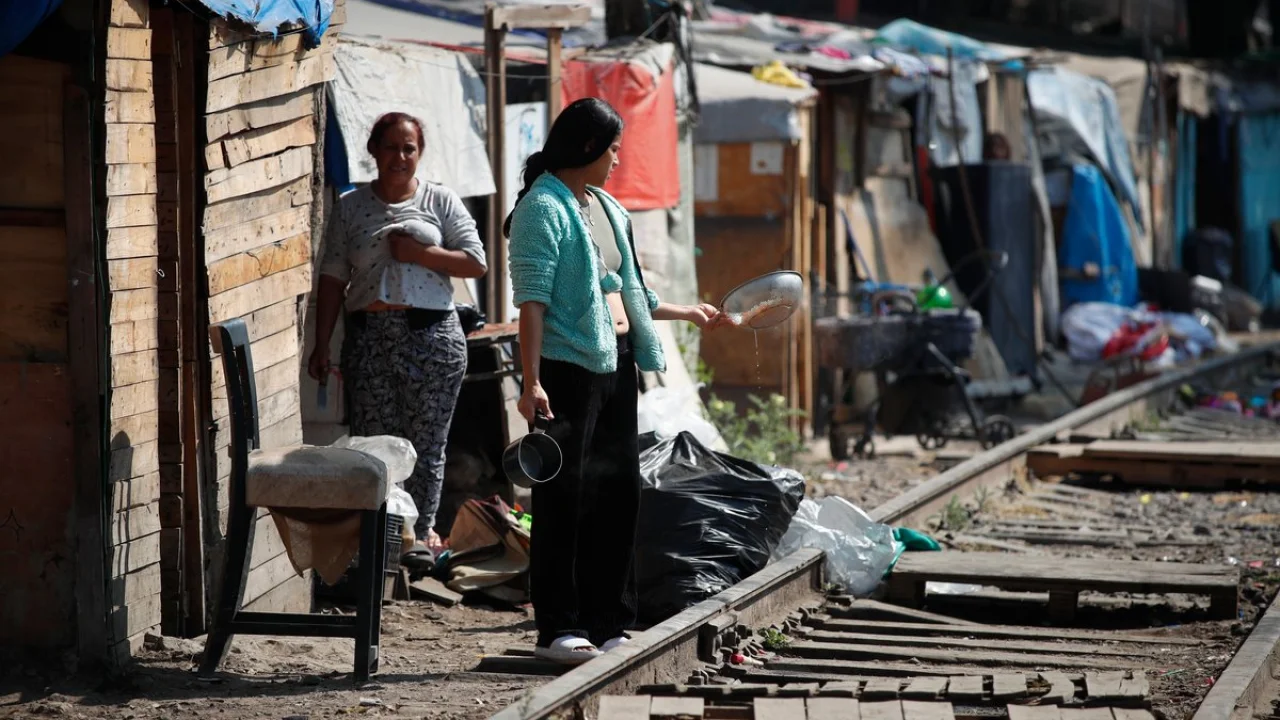
Maria Novák had been counting down the days. The 34-year-old from Debrecen, Hungary, had lost her job at a textile factory two years earlier when production moved to Asia. When news broke about a massive Chinese battery plant opening just 30 minutes from her home, she felt a spark of hope she hadn’t experienced in months.

She polished her resume, practiced her English, and showed up early to the job fair with dozens of other locals. The presentation was impressive – hundreds of positions, competitive wages, a chance to be part of Europe’s green energy future. Maria walked home that day imagining herself in a clean factory uniform, finally able to stop worrying about next month’s rent.
Six months later, Maria drives past that same factory on her way to a part-time cleaning job. The parking lot is full, the lights are on, production is humming. But the workers stepping out during shift changes aren’t speaking Hungarian. They’re speaking Mandarin.

When European Investment Doesn’t Mean European Jobs
Maria’s story isn’t unique. Across Europe, from Hungary’s industrial corridors to Germany’s manufacturing heartland, Chinese companies are building impressive facilities that were supposed to revitalize struggling communities. The promise was simple: massive investment in exchange for thousands of local jobs.
But something got lost in translation between the ribbon-cutting ceremonies and the reality on the factory floor. Many of these Chinese jobs in Europe are ending up filled by Chinese workers, not Europeans.
“We’re seeing a pattern where Chinese companies bring in their own workforce rather than hiring locally,” explains Dr. Elena Kardos, an industrial policy researcher at the Budapest Institute of Economics. “The jobs are technically in Europe, but they’re not necessarily for Europeans.”
The numbers tell a startling story. In several major Chinese manufacturing projects across Central Europe, local hiring rates have fallen well below initial promises. What was sold as economic salvation for post-industrial communities has become a more complicated reality.

European governments, desperate for investment and job creation, signed deals that looked perfect on paper. Chinese companies got access to EU markets, favorable tax conditions, and streamlined permit processes. Local communities were promised employment opportunities that would breathe new life into regions still recovering from decades of economic decline.
The Reality Behind the Factory Gates
Walk through any of these new industrial zones and the pattern becomes clear. The infrastructure is undeniably impressive – modern facilities, cutting-edge technology, significant capital investment. But the workforce composition tells a different story.

Here’s what’s actually happening at major Chinese manufacturing sites across Europe:
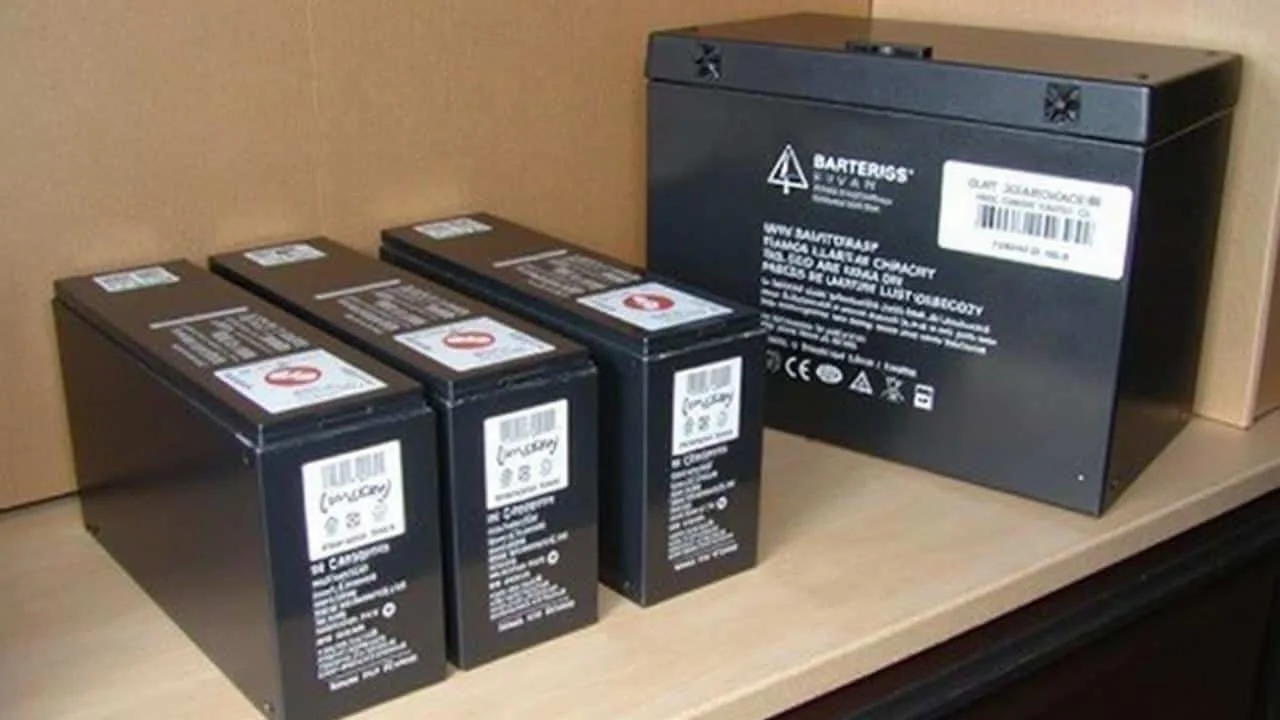
- Battery plants in Hungary report 60-70% Chinese workforce during initial production phases
- Logistics centers in the Netherlands employ primarily Chinese and Vietnamese workers
- Steel facilities in Serbia show similar patterns of imported labor
- Solar panel factories in Eastern Europe rely heavily on Chinese technical staff
- Even administrative roles often require Mandarin language skills
| Country | Chinese Investment Projects | Promised Local Jobs | Actual Local Hiring Rate |
|---|---|---|---|
| Hungary | 12 major facilities | 15,000 | 35-40% |
| Germany | 8 manufacturing sites | 8,500 | 45-50% |
| Serbia | 6 industrial projects | 12,000 | 30-35% |
| Poland | 9 facilities | 11,000 | 40-45% |
The reasons behind this trend are complex but understandable from a business perspective. Chinese companies argue they need workers who already understand their proprietary technologies, production methods, and quality standards.
“Training local workers from zero takes time and money that many companies simply don’t want to invest,” says Marcus Weber, a labor economist based in Berlin. “It’s faster and initially cheaper to bring in teams who can hit the ground running.”
Language barriers also play a significant role. Many Chinese facilities operate with Mandarin as the working language, making it difficult for European workers to integrate into existing teams and workflows.
What This Means for European Communities
The impact on local communities goes far beyond disappointed job seekers. Towns that renovated their infrastructure and cleared land for these projects now find themselves hosting facilities that function almost like economic islands – present but not truly integrated.
Local businesses that expected to benefit from increased spending by new factory workers see limited impact when those workers are temporary residents sending most of their wages back to China. Housing markets experience strange distortions as companies rent blocks of apartments for imported workers while locals struggle to find affordable options.
The skills gap is also widening rather than closing. Instead of European workers gaining experience with advanced manufacturing techniques, knowledge transfer is minimal when most technical positions are filled by Chinese nationals.
“We’re creating a two-tier system,” warns Dr. Kardos. “Chinese companies get the benefits of European market access, but European workers don’t get the benefits of skills development and stable employment that were supposed to come with these investments.”
Some European workers do find employment at these facilities, but often in lower-skilled positions – security guards, cafeteria staff, basic assembly roles that don’t require specialized training or Chinese language skills.
The political implications are becoming increasingly problematic. European politicians who championed these investments now face questions from constituents who feel deceived. The narrative of China helping to revitalize European industry rings hollow when the primary beneficiaries appear to be Chinese workers rather than European communities.
Labor unions across the continent are raising concerns about working conditions and employment practices. Some Chinese facilities operate with longer hours and different safety protocols than typical European standards, creating tension with local labor movements.
“The promise was economic partnership, but it’s starting to feel more like economic colonization,” explains Anna Kowalski, a union representative in Poland. “The factories are here, but the benefits are flowing elsewhere.”
This trend is also affecting Europe’s long-term industrial competitiveness. When technology transfer is limited and local workers aren’t gaining advanced skills, European companies remain dependent on Chinese expertise rather than developing independent capabilities.
Some governments are beginning to implement stronger local hiring requirements in their investment agreements. Others are requiring language training programs and technology transfer commitments. But many existing projects operate under older, more permissive agreements.
The situation highlights the complexity of modern global manufacturing and investment flows. While Chinese investment in European manufacturing is clearly needed and often beneficial, the distribution of benefits is proving more uneven than originally anticipated.
For workers like Maria, the solution isn’t necessarily to reject Chinese investment entirely, but to ensure that future agreements include stronger protections and guarantees for local employment and skills development.
FAQs
Why do Chinese companies prefer to bring their own workers to Europe?
Chinese companies cite familiarity with proprietary technology, language compatibility, and faster production startup times as primary reasons for importing workers rather than training local staff.
Are European governments doing anything to require local hiring?
Some countries are implementing stronger local hiring quotas in new investment agreements, but many existing projects operate under older, more permissive terms.
How many Chinese workers are currently employed at European facilities?
Exact numbers are difficult to verify, but estimates suggest tens of thousands of Chinese nationals are working at Chinese-owned facilities across Europe.
Do Chinese workers at European facilities earn the same wages as locals?
Wage structures vary, but many Chinese workers are employed under different contracts that may include housing and other benefits not typically offered to local hires.
What can local communities do to ensure more local hiring?
Communities can pressure local governments to include stronger employment requirements in investment agreements and demand transparency in hiring practices from companies receiving public incentives.
Are there any successful examples of Chinese companies hiring locally in Europe?
Yes, some Chinese manufacturers have achieved higher local hiring rates, particularly in Western European countries with stronger labor regulations and community engagement requirements.
About the Author