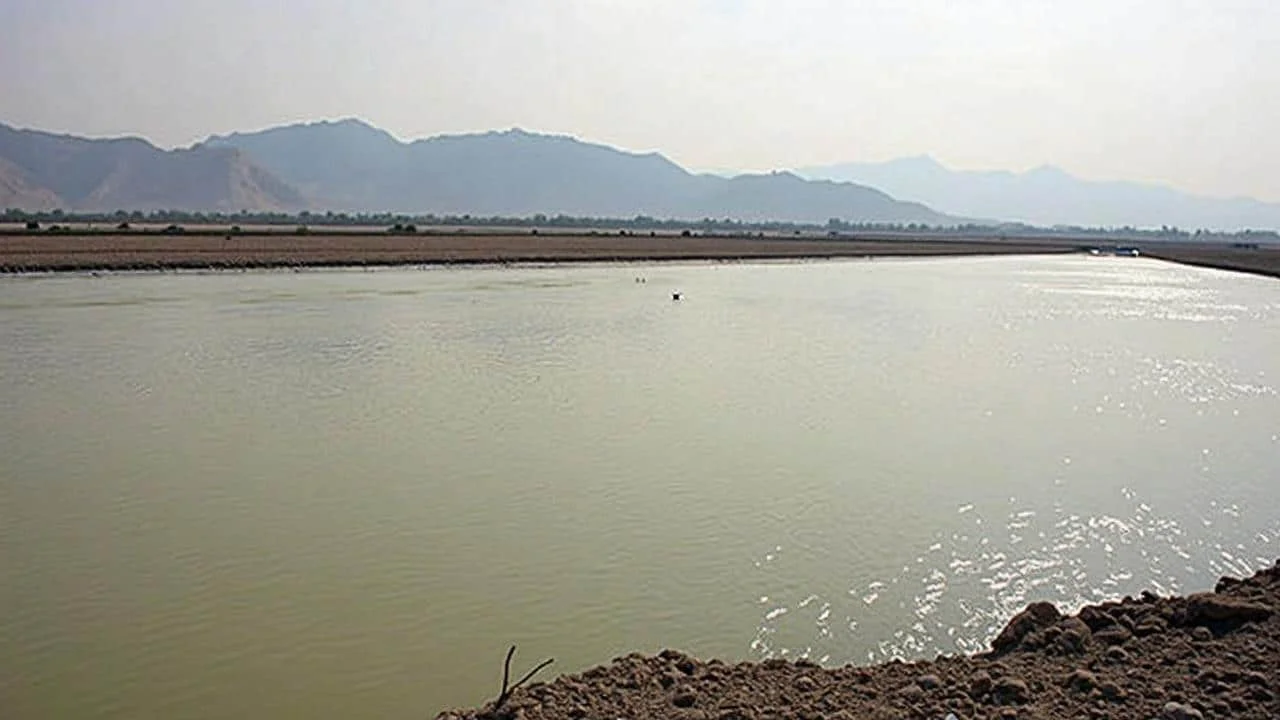
Zhang Wei remembers when his grandfather would point toward the shimmering dunes and shake his head. “That’s where people disappear,” the old man would say, gesturing at the endless expanse of sand that stretched beyond their small oasis town. “Nothing lives out there.” Last month, Zhang harvested 2,000 pounds of tilapia from rectangular ponds carved directly into what used to be empty desert.

The irony isn’t lost on him. His family spent generations avoiding the Taklamakan Desert, and now he’s making a living from it.
This isn’t just one man’s story. Across China’s most forbidding desert, an extraordinary transformation is taking place that challenges everything we thought we knew about where life can flourish.

When the Impossible Becomes Routine
The Taklamakan Desert has earned its reputation as one of Earth’s most hostile environments. Covering over 130,000 square miles in western China, it’s the world’s second-largest shifting sand desert. For over 2,000 years, Silk Road merchants risked their lives skirting its edges, knowing that a wrong turn meant certain death.
The desert’s name, depending on which translation you believe, means either “go in and you won’t come out” or “place of ruins.” Neither sounds particularly welcoming.

Yet today, satellite images reveal something that would have seemed impossible to those ancient traders: geometric patterns of blue rectangles scattered across the golden sand. These are fish farms, and they’re thriving in one of the planet’s driest places.
“We’re not fighting the desert anymore,” explains Dr. Li Xiaoming, a desert ecology researcher who has studied the Taklamakan for over a decade. “We’re learning to work with it, to find ways it can actually support life.”

The transformation didn’t happen overnight. Chinese engineers spent years studying groundwater patterns, wind flows, and temperature variations. They discovered that beneath the shifting sands lay aquifers that could support carefully managed water systems.
The Science Behind Desert Fish Farming
Converting desert into productive aquaculture requires more than just digging holes and adding water. The process involves complex engineering and environmental management that reads like science fiction.

Here’s how China is making fish farming work in the Taklamakan Desert:
- Water sourcing: Engineers tap into underground aquifers and divert seasonal river flows
- Pond construction: Each farming area uses plastic-lined basins to prevent water seepage
- Wind protection: Shelter belts of hardy shrubs create microclimates around farming areas
- Temperature control: Deeper ponds maintain more stable temperatures year-round
- Species selection: Hardy fish like tilapia and catfish that can handle temperature fluctuations
The numbers tell the story of this remarkable transformation:
| Aspect | Traditional Desert | Fish Farming Areas |
|---|---|---|
| Annual rainfall | Less than 0.4 inches | Supplemented by irrigation |
| Temperature range | -4°F to 122°F | Moderated to 32°F to 95°F |
| Vegetation coverage | Less than 3% | 15-20% in managed zones |
| Annual fish production | Zero | Up to 3,000 pounds per acre |
“The key insight was realizing that we didn’t need to change the entire desert,” says engineer Wang Hui, who helped design several pilot projects. “We just needed to create small pockets where conditions are right for aquaculture.”
The farms use a combination of solar panels and wind generators to power water pumps and aeration systems. During sandstorms, automated covers protect the fish ponds, while GPS-guided vehicles can navigate even when visibility drops to zero.
What This Means for Food Security and Desert Communities
The implications extend far beyond the novelty of fish swimming in the desert. These projects represent a potential solution to multiple challenges facing China and other countries with large desert regions.
Food security ranks as the primary motivation. With a population of 1.4 billion people and limited arable land, China needs every possible source of protein production. Desert aquaculture could eventually supply fresh fish to inland regions that traditionally relied on expensive transported seafood.
Local communities are seeing the most immediate benefits. Families who once struggled with subsistence farming in marginal areas now work as fish farm technicians, earning steady wages and learning new skills.
“My son used to talk about leaving for the cities,” says farmer Liu Jiang, whose family now operates three fish ponds near the desert’s edge. “Now he’s studying aquaculture engineering. The desert gave him a future.”
The environmental impact appears surprisingly positive. The fish farms create humid microclimates that support other vegetation. Birds that never ventured into the Taklamakan Desert now stop at these artificial oases during migration.
However, sustainability questions remain. Critics worry about groundwater depletion and the long-term viability of pumping water into one of the world’s driest places.
“We’re essentially creating artificial ecosystems,” notes environmental scientist Dr. Sarah Chen. “The question is whether these systems can maintain themselves without constant human intervention and resource input.”
The economic ripple effects are already visible. Processing facilities, feed suppliers, and transportation companies have opened near successful fish farming areas. Some communities report that desert aquaculture has become their primary source of income.
China plans to expand these pilot projects across other desert regions, potentially transforming millions of acres of “wasteland” into productive aquaculture zones. Similar projects are being considered in other countries with large desert areas, from Australia to parts of Africa.
The Taklamakan Desert fish farms represent more than agricultural innovation. They challenge fundamental assumptions about which environments can support human economic activity. What once seemed like the absolute limit of where life could flourish has become a new frontier for food production.
For Zhang Wei, checking his fish ponds each morning, the philosophical implications matter less than the practical reality. He’s feeding his family from water that bubbles up in a place his grandfather considered cursed. The desert that once meant death now means life, measured in pounds of fresh fish and steady paychecks.
FAQs
How much water do these desert fish farms use?
Each acre of fish farming uses approximately 3-5 million gallons annually, sourced from groundwater and seasonal river diversions.
What types of fish grow best in desert conditions?
Tilapia and catfish are the most successful species due to their tolerance for temperature fluctuations and lower oxygen requirements.
Are these fish farms profitable?
Most established farms report profits within 2-3 years, with fish selling for premium prices due to their freshness in inland markets.
Do the fish farms affect local wildlife?
Surprisingly, they’ve created new habitat for migratory birds and attracted small mammals that previously avoided the area.
How many people work on a typical desert fish farm?
A 50-acre facility typically employs 8-12 full-time workers, creating jobs in previously uninhabitable areas.
What happens during major sandstorms?
Automated systems cover the ponds and shut down equipment, while GPS-guided vehicles ensure operations can continue even with zero visibility.
About the Author