
Sarah was mid-sentence, telling her best friend about her mom’s recent diagnosis, when she felt it hit like a brick wall. Her throat closed up. The tears that had been building suddenly felt dangerous, exposed, wrong. She quickly cleared her throat, forced a smile, and pivoted: “Anyway, enough about me – how’s your new job going?”

Later that night, she lay awake replaying the moment. Part of her felt relieved she hadn’t “lost it” in front of someone. Another part felt hollow, like she’d just locked away a piece of herself that desperately needed air.
If this sounds familiar, you’re not alone. That sudden urge to slam the brakes on emotional expression – that instinct to control how much feeling you let show – reveals something profound about how your mind has learned to navigate the world.

The Psychology Behind Controlling Emotional Exposure
When you feel compelled to manage every vulnerable moment, every tear, every confession, you’re not just being “private” or “strong.” You’re operating from a deep-seated psychological protection system that likely formed much earlier than you realize.
Dr. Jennifer Hayes, a clinical psychologist specializing in attachment trauma, explains: “The need to control emotional exposure almost always stems from early experiences where vulnerability felt unsafe. Your nervous system learned that showing feelings equals potential harm.”
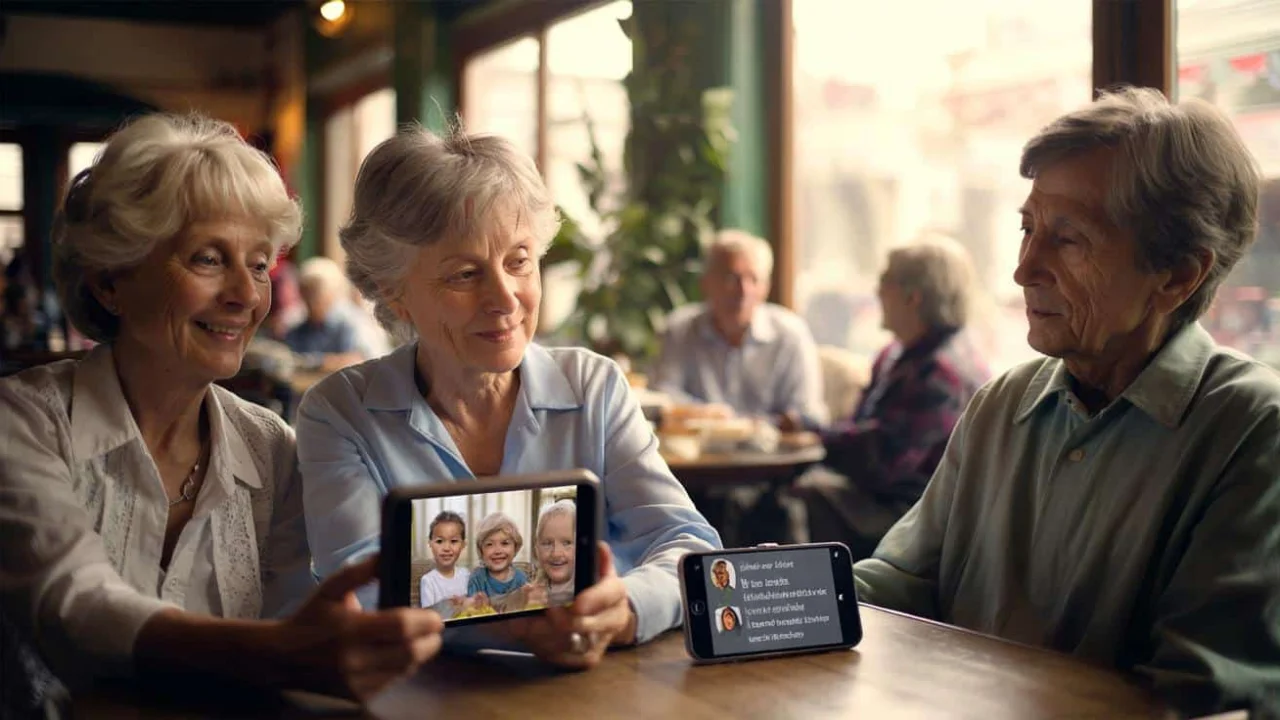
This psychological pattern typically develops in childhood environments where emotions were met with dismissal, criticism, or punishment. Maybe your family valued “toughness” over tenderness. Perhaps your feelings were consistently minimized or used against you later. Your brilliant mind adapted by creating an internal alarm system: emotional exposure equals danger.
The result? Even decades later, in safe relationships and secure environments, that same alarm still fires. Your body tenses. Your throat constricts. And you instinctively pull back from the very connections you crave most.

The Hidden Costs of Emotional Control
While controlling emotional exposure might feel protective, it carries significant psychological costs that ripple through every area of your life:
| Area of Impact | How It Shows Up | Long-term Effect |
|---|---|---|
| Relationships | Surface-level connections, fear of intimacy | Chronic loneliness despite being surrounded by people |
| Work Life | Avoiding feedback, hiding struggles | Missed opportunities for growth and support |
| Self-Worth | Feeling like an imposter, constant performance mode | Deep sense of being fundamentally flawed or unlovable |
| Mental Health | Bottled emotions, chronic stress | Anxiety, depression, physical health issues |
- Relationship Stagnation: When you consistently limit emotional sharing, relationships can’t deepen naturally
- Imposter Syndrome: Constantly managing your image creates exhausting internal pressure to appear “perfect”
- Emotional Dysregulation: Bottled feelings don’t disappear – they often explode at inconvenient times
- Physical Stress: Chronic emotional suppression manifests as tension, headaches, and digestive issues
- Missed Connections: Others may perceive you as distant or disinterested, even when you’re desperate to connect
Psychotherapist Mark Chen notes: “People who control their emotional exposure often report feeling like they’re living behind glass – they can see life happening, but they can’t fully participate in it.”
What This Pattern Really Reveals About You
If you recognize yourself in this pattern, it’s important to understand what it actually says about your psychological makeup. Contrary to what you might believe about yourself, the need to control emotional exposure often indicates:
High Emotional Intelligence: You’re incredibly attuned to emotional dynamics and social cues. You notice subtle shifts in energy that others might miss.
Deep Capacity for Feeling: The intensity of your need to control suggests you have rich, complex emotional experiences that feel overwhelming precisely because they’re so profound.
Strong Survival Instincts: Your mind developed sophisticated protection mechanisms because you were sensitive enough to recognize emotional danger early.
Dr. Maria Rodriguez, who researches emotional regulation, explains: “The clients who struggle most with emotional control are often the ones with the biggest hearts. They learned to protect something precious – their ability to feel deeply.”
This pattern also reveals core psychological needs that weren’t met during crucial developmental periods. When children don’t receive consistent emotional attunement and safety, they learn to self-regulate through control rather than connection.
The irony is that what started as psychological protection becomes psychological prison. The very mechanism that kept you safe now keeps you isolated from the acceptance and understanding you desperately need.
Consider David, a successful architect who realized he hadn’t cried in front of another person in fifteen years. “I thought I was being strong,” he reflects. “But really, I was just terrified of being seen as weak or needy. I was running my whole life like a PR campaign instead of actually living it.”
Breaking free from this pattern isn’t about becoming an open book overnight. It’s about gradually learning that selective vulnerability – sharing authentic feelings with safe people – can actually strengthen rather than threaten your sense of security.
The goal isn’t to eliminate all emotional control. Healthy boundaries around feelings are important. The goal is to move from reflexive control to conscious choice – deciding when, how, and with whom to share your inner world based on actual safety rather than phantom threats.
Therapist Sarah Kim emphasizes: “Healing happens when people realize that their emotional control was a brilliant adaptation to difficult circumstances, but it doesn’t have to define their entire relational future.”
Understanding the psychology behind controlling emotional exposure is the first step toward reclaiming your capacity for authentic connection. Your feelings aren’t dangerous. They’re data. And sharing that data with the right people at the right time isn’t weakness – it’s the pathway to the deeper relationships you’ve always wanted.
FAQs
Is controlling emotional exposure always unhealthy?
Not necessarily – healthy emotional boundaries are important, but problems arise when control becomes reflexive rather than conscious.
Can this pattern be changed later in life?
Absolutely. While these patterns often form early, the brain’s neuroplasticity means you can develop new ways of relating at any age.
How do I know if I’m controlling my emotions too much?
If you consistently feel disconnected from others, exhausted by social interactions, or like you’re “performing” rather than being yourself, these may be signs.
What’s the difference between privacy and emotional control?
Privacy is a conscious choice about boundaries, while emotional control often feels compulsive and driven by fear.
Will people judge me if I become more emotionally open?
Some might, but those aren’t your people. Authentic vulnerability tends to attract deeper, more meaningful relationships while filtering out superficial ones.
How can I start being more emotionally open safely?
Begin with small shares with trusted people, practice self-compassion, and consider working with a therapist to process underlying fears.
About the Author