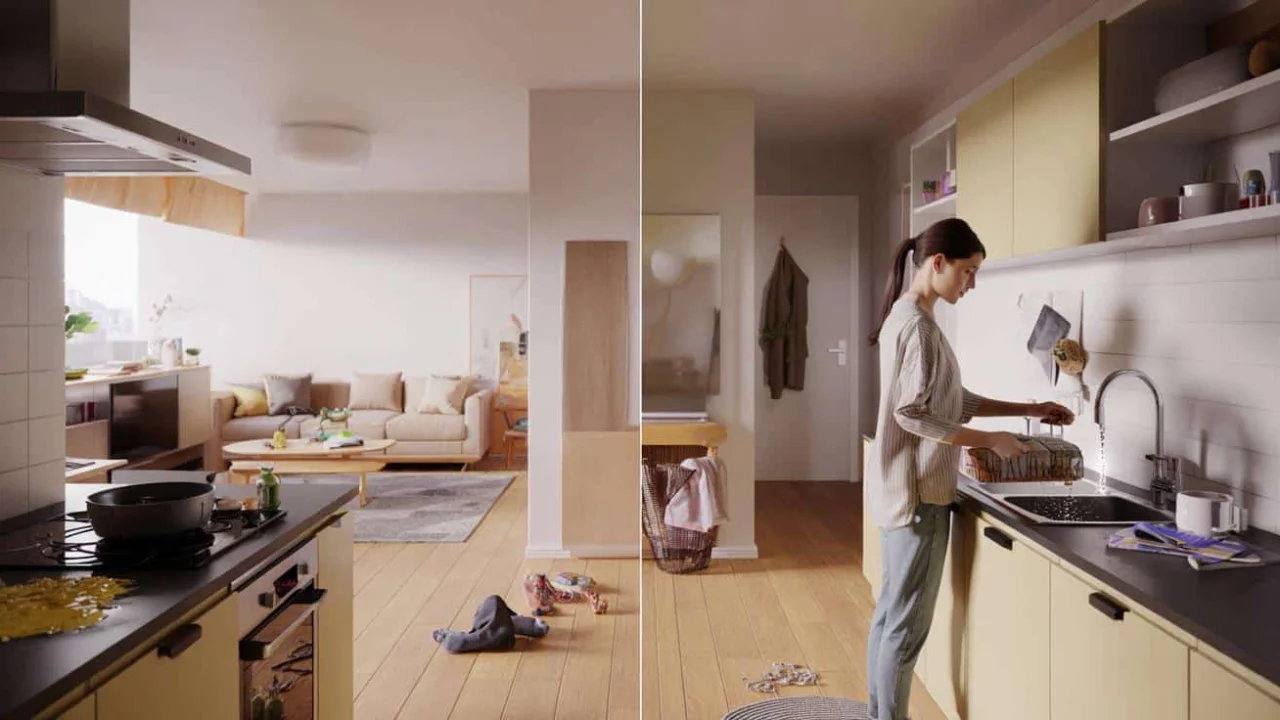
Maria stared at her kitchen counter last Sunday morning, watching dust particles dance in the sunlight like they were mocking her weekend plans. She’d blocked out three hours for a “deep clean marathon” – the kind where you move furniture, scrub baseboards, and reorganize entire cabinets. But four hours later, exhausted and sweaty, she collapsed on her couch only to notice the bathroom still looked like a crime scene and dirty dishes had somehow multiplied in the sink.
Meanwhile, her neighbor Jake never seemed to have these epic cleaning sessions. His place always looked put-together when she stopped by, yet she’d never seen him hauling out a mop bucket or wrestling with vacuum attachments. It was like he had some secret cleaning superpower.
The truth is, Jake had figured out something most of us miss entirely: cleaning habits matter infinitely more than cleaning time.

Why marathon cleaning sessions backfire
We’ve been sold a lie about cleaning. The idea that you need to set aside huge chunks of time, arm yourself with industrial-strength products, and transform into a cleaning warrior for half your weekend. Social media feeds are full of satisfying before-and-after photos that make us think this is how “real” cleaning gets done.
But here’s what actually happens: you spend hours in cleaning mode, feel accomplished for about 48 hours, then watch everything slowly return to chaos. The kitchen counter collects new clutter, the bathroom mirror gets speckled again, and that pile of mail reappears on the dining table like magic.
“I see clients all the time who burn themselves out with these massive cleaning sessions,” says professional organizer Sarah Chen. “They think they’re being productive, but they’re actually working against themselves. It’s like trying to get fit by running a marathon once a month instead of walking every day.”
The problem with time-based cleaning is that it treats symptoms, not causes. You’re constantly playing catch-up instead of staying ahead of the mess. It’s reactive instead of proactive, and it turns cleaning into this dreaded chore that looms over your weekends.

The power of tiny cleaning habits
Effective cleaning habits work differently. They’re small, consistent actions that prevent mess from accumulating in the first place. Think of them as the difference between brushing your teeth twice daily versus waiting until they’re yellow and spending a fortune on whitening treatments.
Here are the game-changing cleaning habits that actually work:

- One-touch rule: Handle items once instead of moving them multiple times
- Clean as you go: Wipe spills immediately, rinse dishes after use
- Two-minute reset: Spend 2 minutes tidying each room before bed
- Daily maintenance: Make beds, put clothes in hampers, clear surfaces
- Weekly rotations: Assign specific tasks to specific days
The magic happens when these become automatic. You don’t think about rinsing your coffee mug – you just do it. The bathroom towel goes back on the rack without conscious effort. Junk mail goes straight to recycling instead of joining the counter pile.
“Small habits compound over time,” explains cleaning expert James Rodriguez. “Someone who spends five minutes a day maintaining their space will have a cleaner home than someone who spends five hours once a week trying to catch up.”
| Time-Based Cleaning | Habit-Based Cleaning |
|---|---|
| 4+ hours on weekends | 5-15 minutes daily |
| Reactive and overwhelming | Proactive and manageable |
| Temporary results | Consistent maintenance |
| Feeling behind and stressed | Feeling in control |
| Cleaning as punishment | Cleaning as self-care |
How cleaning habits transform daily life
When you shift from time-based to habit-based cleaning, everything changes. Your home becomes a place that supports you instead of stressing you out. You stop losing things because everything has a designated spot. Unexpected guests don’t trigger panic attacks because your space is always reasonably presentable.
But the benefits go deeper than just appearance. Good cleaning habits reduce decision fatigue – you don’t waste mental energy figuring out where things go or what needs to be cleaned first. They create a sense of control and accomplishment that carries over into other areas of life.
“When people master small daily habits, they often report feeling more organized in their work, better about their health routines, and generally more capable,” notes behavioral psychologist Dr. Amanda Foster. “It’s not really about the cleaning – it’s about proving to yourself that you can create positive change through consistent small actions.”
The ripple effects are real. A habit of making your bed leads to keeping the bedroom tidy. Keeping the bedroom tidy makes you more likely to put laundry away promptly. Before you know it, you’ve created a system that maintains itself.
People with strong cleaning habits also save money. They don’t buy duplicate items because they can’t find the first one. They don’t need expensive organizational products because prevention works better than cure. Their homes and belongings last longer because regular maintenance prevents major problems.
Perhaps most importantly, habit-based cleaning gives you back your weekends. Instead of spending Saturday morning dreading the mess, you can actually enjoy your free time. The mental space that was occupied by cleaning anxiety gets freed up for things that matter more.
The transition isn’t instant – it takes about three weeks to establish a new habit and three months to make it truly automatic. But once those neural pathways are established, maintaining a clean home becomes as natural as brushing your teeth. You’ll wonder why you ever thought marathon cleaning sessions were the answer.
FAQs
How long does it take to build effective cleaning habits?
Most cleaning habits become automatic within 3-4 weeks of consistent practice, though complex routines may take up to 3 months to feel completely natural.
What if I mess up and skip my cleaning habits for a few days?
Don’t worry about perfection. Simply restart your habits the next day without guilt or trying to “catch up” with extra cleaning.
Which cleaning habit should I start with first?
Begin with making your bed each morning or doing dishes immediately after eating. These create visible wins that motivate you to add more habits.
Can cleaning habits work for people with busy schedules?
Absolutely. Cleaning habits are specifically designed for busy people because they prevent the need for time-consuming deep cleaning sessions.
How do I get my family members to adopt these habits too?
Start with your own habits first, then gradually introduce one family rule at a time. Focus on making it easy and rewarding rather than punitive.
What’s the biggest mistake people make when trying to build cleaning habits?
Trying to change too many things at once. Pick one simple habit, master it completely, then add the next one.
About the Author
