Sarah stared at her phone at 3 AM, scrolling through endless photos of graduation caps and celebration posts. Tomorrow was her college graduation—the moment she’d worked toward for four years. Her family had booked flights, her favorite dress hung perfectly pressed in the closet, and she’d even practiced walking in heels. But instead of excitement, her chest felt tight with dread.
“What if I trip on stage? What if I forget to smile for photos? What if this doesn’t feel as amazing as everyone expects?” The questions spiraled endlessly. She should be celebrating, not lying awake consumed by worry about an event that was supposed to be pure joy.
If this sounds familiar, you’re not alone. Psychology has identified a fascinating phenomenon where anxiety before happy events affects millions of people, turning anticipated celebrations into sources of unexpected stress.
When Your Brain Confuses Joy with Danger
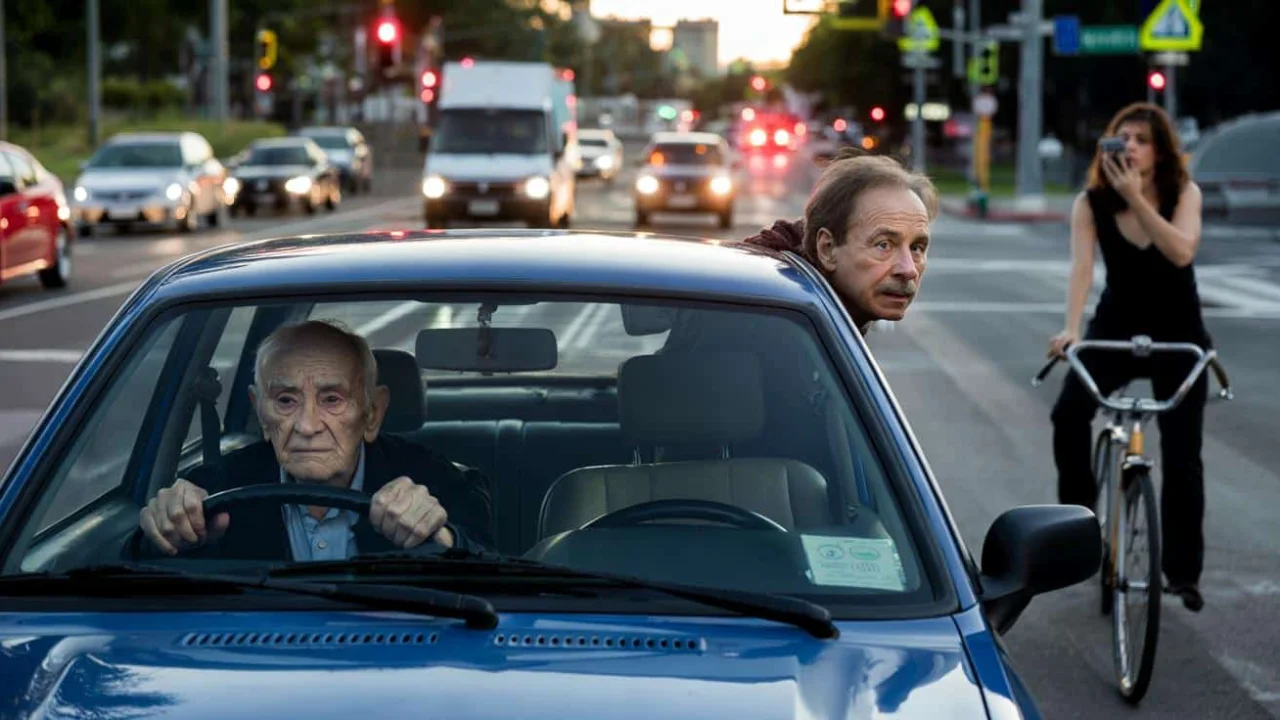
The human nervous system operates on a simple principle: it responds to intensity, not intent. When something big is about to happen—whether it’s a wedding, promotion, vacation, or birthday party—your body registers the heightened energy and preparation. To your ancient brain, intensity often signals potential threat.
“The autonomic nervous system doesn’t distinguish between good stress and bad stress,” explains Dr. Amanda Chen, a clinical psychologist specializing in anxiety disorders. “It just recognizes that something significant is approaching and prepares accordingly.”
This creates a bizarre internal conflict. Your rational mind knows you should be happy, but your body responds as if you’re facing danger. Your heart races, thoughts spiral, and sleep becomes elusive—all in preparation for what should be a joyful moment.
The pressure to feel “appropriately happy” only amplifies the anxiety. Society expects you to be thrilled about positive events, creating an additional layer of stress when your natural response doesn’t match those expectations.
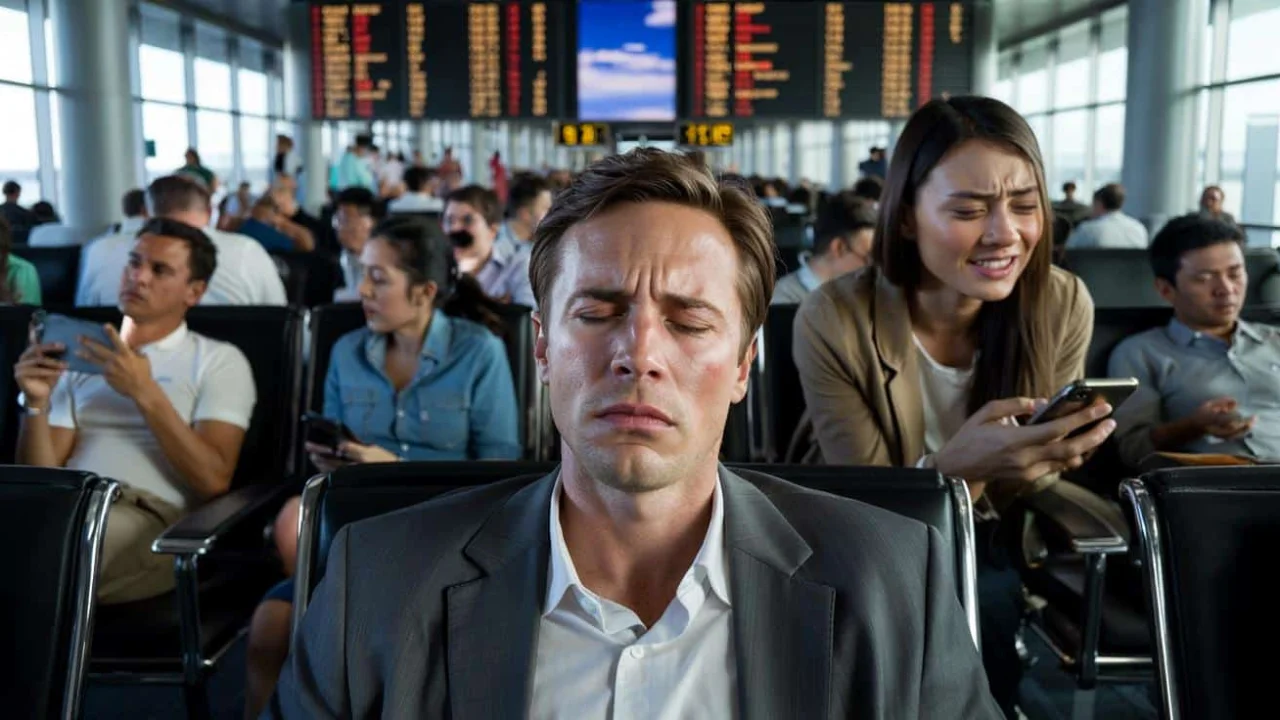
The Hidden Triggers Behind Pre-Event Anxiety
Several psychological factors contribute to anxiety before happy events, each playing a unique role in this counterintuitive response:
- Performance pressure: Happy events often come with expectations to be “on” for others, creating internal pressure to perform joy
- Fear of disappointment: The bigger the buildup, the greater the fear that reality won’t match expectations
- Loss of control: Major events involve multiple moving parts, making some people feel helpless despite careful planning
- Identity shifts: Graduations, weddings, and promotions represent life transitions that trigger uncertainty about the future
- Social overwhelm: Large gatherings can feel overwhelming for people who prefer smaller, intimate settings
- Perfectionism: The desire for everything to go exactly right creates impossible standards and inevitable worry
Consider the different ways this manifests across various life events:
| Event Type | Common Anxious Thoughts | Physical Symptoms |
|---|---|---|
| Weddings | “What if something goes wrong? What if I don’t feel married?” | Insomnia, appetite changes, muscle tension |
| Vacations | “What if I don’t relax? What if I waste this time off?” | Restlessness, digestive issues, headaches |
| Graduations | “What if I’m not ready for what comes next?” | Racing heart, sweaty palms, dizziness |
| Promotions | “What if I can’t handle the new responsibilities?” | Fatigue, jaw clenching, shortness of breath |
“I’ve seen clients who’ve planned perfect vacations but couldn’t enjoy them because they were so worried about whether they were having enough fun,” notes Dr. Michael Torres, a therapist specializing in performance anxiety. “The pressure to maximize happiness becomes its own source of stress.”
Why This Anxiety Actually Makes Evolutionary Sense
From an evolutionary perspective, anxiety before significant events served important survival functions. Major changes in our ancestors’ lives—like moving to new territories or forming new alliances—required heightened awareness and careful preparation.
Your brain still carries these ancient patterns. When it detects that something important is about to happen, it activates your stress response to ensure you’re prepared for any challenges that might arise. The fact that modern “challenges” are more likely to be forgotten speeches than saber-tooth tigers doesn’t change this fundamental wiring.
This explains why some people experience what psychologists call “anticipatory anxiety”—worry that peaks in the days or hours before an event, then often disappears once the actual moment arrives. Your nervous system is simply doing its job, albeit in a way that feels mismatched to the actual situation.
People who experience anxiety before happy events often share certain personality traits: they tend to be conscientious, detail-oriented, and deeply invested in meaningful experiences. These are positive qualities that unfortunately make them more susceptible to pre-event worry.
“The people who care most about making events special are often the ones who suffer most from pre-event anxiety,” explains Dr. Lisa Park, a researcher studying celebration-related stress. “Their investment in the outcome creates vulnerability to worry.”
The irony is profound: the more something matters to you, the more likely you are to feel anxious about it beforehand. This creates a cruel paradox where your biggest celebrations become sources of your greatest stress.
Understanding this pattern helps normalize the experience. You’re not broken or ungrateful—you’re human, with a nervous system that sometimes misfires in its attempt to protect and prepare you.
Recognizing anxiety before happy events as a legitimate psychological phenomenon rather than a personal failing can be the first step toward managing it more effectively. When you understand why your brain responds this way, you can begin to work with your nervous system rather than against it.
FAQs
Is it normal to feel anxious before happy events?
Yes, it’s completely normal and more common than you might think. Your nervous system responds to intensity, not just negative situations.
Why do I worry about things going wrong during celebrations?
Your brain is trying to prepare for potential problems, even during positive events. This is a protective mechanism that doesn’t always match the actual risk level.
Does pre-event anxiety mean I don’t really want the happy event to happen?
Not at all. Anxiety often increases precisely because the event matters deeply to you. The more you care, the more your brain tries to ensure everything goes perfectly.
Can anxiety before happy events ruin the actual experience?
While pre-event anxiety can be exhausting, most people find that their worry decreases significantly once the actual event begins and they become engaged in the moment.
When should I be concerned about anxiety before positive events?
If the anxiety is severe enough to interfere with your daily functioning or if you start avoiding positive events because of the associated worry, consider speaking with a mental health professional.
Are some people more prone to this type of anxiety than others?
Yes, people who are naturally more conscientious, detail-oriented, or perfectionistic tend to experience more anxiety before important events, both positive and negative.
About the Author