Sarah Martinez was shocked when she opened her February electric bill. The single mother from Albany had kept her thermostat at a chilly 65 degrees all winter, unplugged appliances when not in use, and even switched to LED bulbs throughout her apartment. Yet her bill had jumped nearly 15% from the previous year.

“I’m doing everything right, cutting back wherever I can, but my bills keep climbing,” she said, staring at the numbers on her kitchen table. “Meanwhile, these massive data centers are popping up everywhere, using enough electricity to power entire towns.”
Sarah’s frustration echoes across New York State, where Governor Kathy Hochul just announced a game-changing policy that could finally address this growing concern.

Governor Hochul Takes Action on Data Centers Grid Upgrades
On February 12, Governor Hochul launched a formal review that could fundamentally change how data centers and other massive energy users connect to New York’s power grid. The goal is simple: stop everyday ratepayers like Sarah from footing the bill for corporate expansion.
The New York State Public Service Commission has opened proceedings to examine how these energy-hungry facilities integrate into the state’s transmission and distribution systems. This move advances Hochul’s Energize NY Development initiative, which she first unveiled during her State of the State address last month.

“New York will continue to lead in attracting new technologies, but we must also grow responsibly, ensuring affordability comes first and those profiting from data growth pay their share,” Hochul explained during the announcement.
The numbers behind this decision are staggering. State officials report that New York has seen an explosive increase in requests from large-load projects, with most tied directly to data centers. As of January, the New York Independent System Operator’s interconnection queue included 48 projects totaling more than 11 gigawatts of new large load.

Understanding the Current Problem
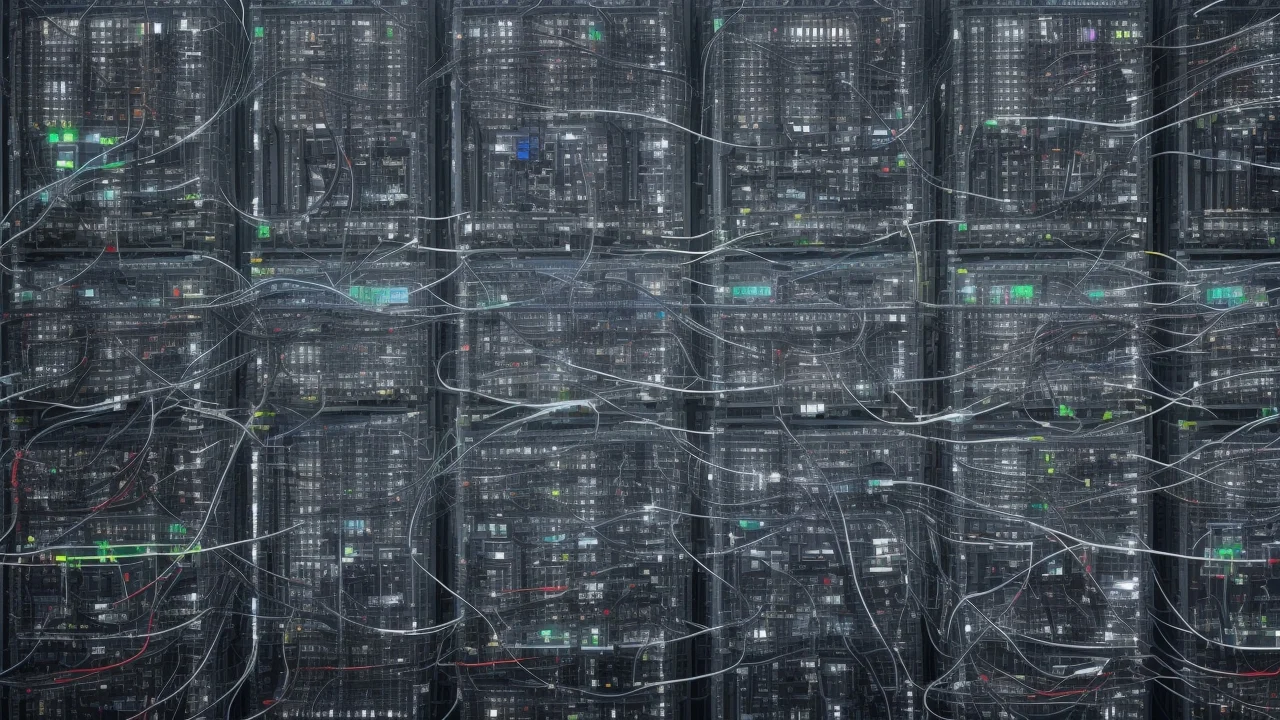
Here’s what makes this issue so critical for everyday New Yorkers. When data centers connect to the power grid, they often require significant infrastructure upgrades. These modifications can cost millions of dollars and affect both grid reliability and electric supply across entire regions.
Under the current system, those upgrade costs frequently get passed down to all ratepayers through higher electricity bills. That means families like Sarah’s end up subsidizing corporate data center expansions through their monthly utility payments.

The scope of this problem becomes clearer when you examine what these data centers actually demand:
- Massive electricity consumption equivalent to powering thousands of homes
- 24/7 power requirements with zero tolerance for outages
- Advanced cooling systems that require additional energy
- Backup power infrastructure that strains local grids
- Specialized transmission equipment for reliable connections
| Project Type | Average Energy Use | Jobs Created | Grid Impact |
|---|---|---|---|
| Large Data Center | 50-100 MW | 25-75 permanent | High infrastructure demands |
| Manufacturing Plant | 20-40 MW | 200-500 permanent | Moderate upgrades needed |
| Residential Development | 5-15 MW | Local service jobs | Standard connections |
“These data centers consume enormous amounts of electricity and place heavy demands on our infrastructure while creating relatively few jobs,” Hochul pointed out. “We need to ensure that those driving exceptional energy demand without delivering exceptional public benefits cover the costs they create.”
What Changes Under the New Policy
The proposed changes would require data centers and similar large-scale energy users to pay their fair share for grid upgrades. Instead of spreading these costs across all ratepayers, companies would need to either cover upgrade expenses themselves or provide their own energy sources.
Public Service Commission Chair Rory M. Christian emphasized that this proceeding will establish clearer rules around cost allocation and interconnection processes. The review will examine utility tariff structures and determine fair methods for integrating massive energy loads without burdening residential customers.
“We’re creating transparency around who pays for what,” explained energy policy analyst Dr. Michael Torres. “Right now, the system allows corporations to externalize their infrastructure costs onto regular consumers. That’s fundamentally unfair.”
The Energize NY Development initiative aims to accomplish several key objectives:
- Streamline interconnection rules for all energy projects
- Provide transparency around grid upgrade costs and requirements
- Protect ratepayers from subsidizing private development
- Ensure reliable grid performance as demand grows
- Balance economic development with consumer affordability
Real-World Impact for New York Families
For families struggling with rising energy costs, these changes could provide significant relief. Energy economist Dr. Jennifer Walsh estimates that shifting data center grid upgrade costs away from ratepayers could reduce average residential bills by 3-8% annually.
“When you consider that the average New York household spends over $1,500 per year on electricity, even a 5% reduction represents real money back in people’s pockets,” Walsh noted.
The policy could also influence where and how data centers develop across the state. Companies might seek locations with existing robust infrastructure or invest more heavily in their own power generation capabilities.
Small businesses stand to benefit as well. Restaurant owner Carlos Mendez from Rochester has watched his electricity costs climb as data centers have expanded in the region. “My margins are already thin,” he said. “Every dollar saved on utilities is money I can invest back into my business or my employees.”
However, the changes might also affect New York’s competitiveness in attracting technology investments. Some industry representatives worry that requiring data centers to pay for grid upgrades could drive development to other states with more favorable policies.
“We need to strike the right balance,” said technology industry consultant Lisa Chen. “New York wants to attract innovation and investment, but not at the expense of its residents’ wallets.”
The formal proceeding will include public comment periods and stakeholder meetings throughout the coming months. State officials expect to finalize new rules by late 2024, with implementation beginning in early 2025.
For Sarah Martinez and millions of other New Yorkers, these changes can’t come soon enough. As she puts it: “I shouldn’t have to choose between heating my home and paying for someone else’s business expansion.”
FAQs
How much could this save on my electric bill?
Energy experts estimate residential customers could see 3-8% reductions in their annual electricity costs, which translates to $45-120 per year for average households.
When will these new rules take effect?
The Public Service Commission expects to finalize new regulations by late 2024, with implementation beginning in early 2025.
Will this prevent data centers from coming to New York?
While some projects might relocate to other states, industry experts believe most data centers will adapt by either paying for upgrades or developing their own power sources.
Who else besides data centers will be affected?
Any large-scale energy user that requires significant grid upgrades, including cryptocurrency mining operations and some manufacturing facilities.
How can I participate in the public comment process?
The Public Service Commission will announce public comment periods and stakeholder meetings on their website throughout the review process.
What happens to existing data centers?
The new rules will primarily affect future projects and expansions, though existing facilities may face new costs if they significantly increase their energy demands.
About the Author