In an era where housing costs continue to soar and urban living spaces shrink, renowned Spanish architect Joaquín Torres has sparked a compelling debate about residential design priorities. Torres, known for his innovative approach to contemporary architecture, has voiced strong opinions about the inefficient use of space in small homes, particularly criticizing the common practice of dedicating entire rooms to infrequent guests.

The architect’s perspective challenges conventional wisdom about home design and forces homeowners to reconsider how they allocate their most precious commodity: living space. His arguments touch on broader themes of sustainability, functionality, and the evolving nature of modern living arrangements.
| Key Takeaways | |
|---|---|
| Main Argument | Guest bedrooms in small homes represent an inefficient use of limited space and resources |
| Alternative Solutions | Multi-functional spaces, convertible furniture, and flexible room designs |
| Target Impact | Maximizing daily living comfort while maintaining occasional guest accommodation |
| Design Philosophy | Prioritizing functionality and adaptability over traditional room designations |
| Broader Context | Rising housing costs and urbanization driving need for smarter space utilization |
The Reality of Modern Urban Living
The housing landscape in major cities worldwide has undergone dramatic transformation over the past few decades. As urban populations continue to grow and available land becomes increasingly scarce, the average size of residential units has steadily decreased while costs have skyrocketed. This reality has forced architects, designers, and homeowners to fundamentally reconsider how living spaces are conceived and utilized.
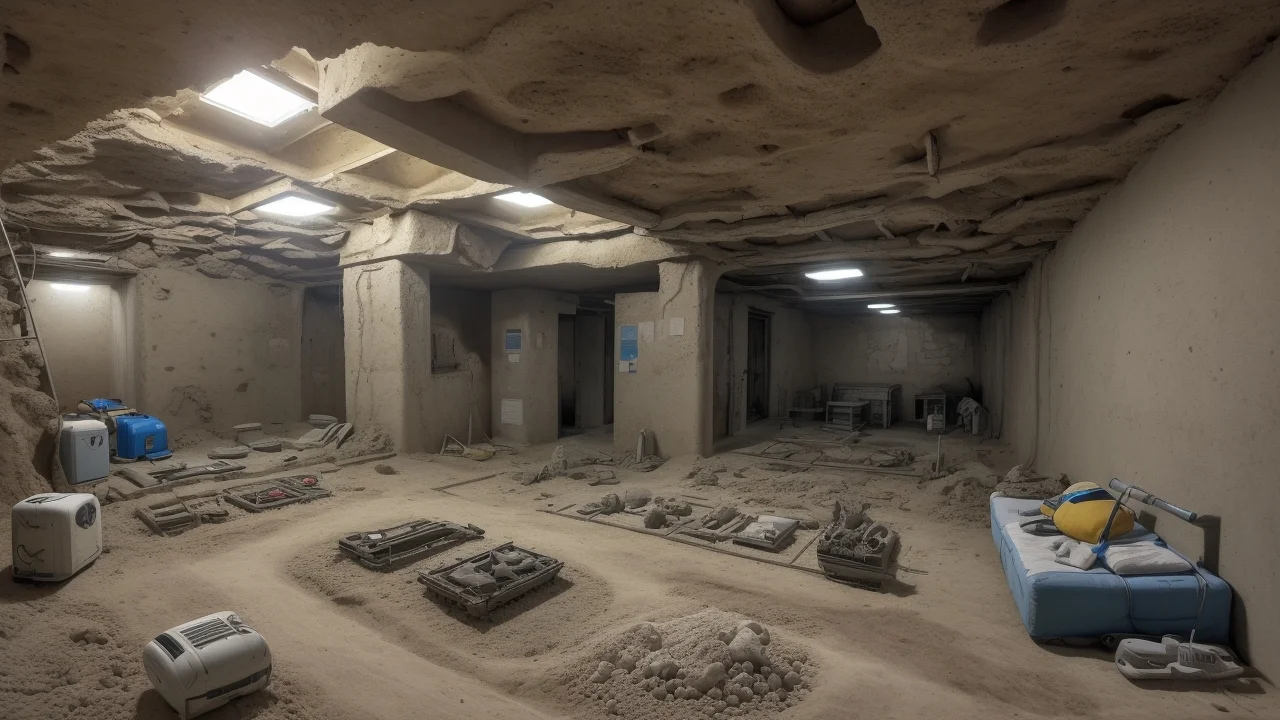
Torres’s criticism of traditional guest room allocation stems from a practical understanding of contemporary living patterns. In many urban households, dedicated guest bedrooms sit empty for the majority of the year, occupying valuable square footage that could serve daily needs more effectively. This becomes particularly problematic in small apartments or homes where every square meter carries significant financial and functional weight.
The architect’s perspective reflects a growing movement within the design community toward more intentional and efficient space planning. Rather than adhering to conventional room layouts inherited from larger suburban homes, Torres advocates for a more dynamic approach that prioritizes the occupants’ daily routines and lifestyle patterns.
The Economics of Wasted Space
From an economic standpoint, maintaining unused space in expensive urban markets represents a significant financial burden. When homeowners dedicate 10-15% of their living area to a room used only occasionally, they are essentially paying premium prices for storage that provides minimal return on investment. This calculation becomes even more striking when considering the opportunity cost of that space for daily activities.
The financial implications extend beyond mere square footage costs. Unused guest rooms still require heating, cooling, and maintenance, contributing to ongoing utility expenses without providing corresponding value. In markets where housing costs represent 30-40% or more of household income, such inefficiencies can significantly impact overall quality of life.

Torres’s argument aligns with broader economic principles of resource optimization. In business contexts, unused capacity is typically viewed as waste to be eliminated or repurposed. The same logic, he suggests, should apply to residential space planning, particularly in constrained urban environments where efficiency is paramount.
Innovative Design Solutions for Multi-Functional Spaces
Rather than simply criticizing conventional guest room allocation, Torres and other forward-thinking architects have developed creative solutions that maintain hospitality capabilities while maximizing daily utility. These approaches typically involve flexible design strategies that allow spaces to serve multiple functions depending on current needs.

Convertible furniture systems represent one popular solution, enabling spaces to transform from home offices or hobby rooms into comfortable guest accommodations when needed. Murphy beds, modular seating systems, and storage-integrated sleeping solutions allow homeowners to maintain guest capacity without sacrificing daily functionality.
Another approach involves designing spaces with built-in flexibility from the outset. This might include rooms with sliding partitions that can create temporary privacy, furniture systems that easily reconfigure for different uses, or architectural elements that support multiple functions. Such designs require more thoughtful initial planning but provide long-term adaptability as household needs evolve.
Technology integration also plays an increasingly important role in flexible space design. Smart home systems can automatically adjust lighting, temperature, and even furniture positioning to optimize spaces for different uses throughout the day. These solutions align with Torres’s vision of intelligent, responsive living environments that adapt to occupant needs rather than constraining them.
Cultural Shifts in Hospitality and Social Interaction
Torres’s perspective on guest room utility also reflects broader cultural shifts in how people approach hospitality and social interaction. Traditional models of overnight guests staying in dedicated bedrooms are being challenged by changing lifestyle patterns, increased mobility, and evolving social norms around personal space and privacy.
Younger generations, in particular, often show greater comfort with alternative accommodation arrangements, including shared spaces, convertible furniture, and temporary sleeping solutions. This shift opens opportunities for more creative approaches to guest accommodation that don’t require permanent space dedication.
The rise of short-term rental platforms has also changed how people think about guest accommodation. Many urban dwellers now prefer recommending nearby hotels or rental properties rather than maintaining dedicated guest spaces, particularly when those guests visit infrequently. This trend supports Torres’s argument about the inefficiency of traditional guest room allocation.
Additionally, changing work patterns, including increased remote work and flexible schedules, have created new demands for home office space, creative studios, and other functional areas that provide daily value. These evolving needs make the opportunity cost of unused guest rooms even more apparent.
Sustainability and Environmental Considerations
Beyond economic and functional arguments, Torres’s perspective on space efficiency aligns with growing environmental consciousness in architecture and design. Unused spaces in homes contribute to unnecessary energy consumption, construction material waste, and overall environmental impact without providing corresponding benefits.
Sustainable design principles emphasize maximizing utility from available resources while minimizing waste and environmental footprint. Unused guest bedrooms contradict these principles by consuming resources—materials, energy, and land—without delivering proportional value. More efficient space utilization can reduce overall housing demand and associated environmental impacts.
The architect’s approach also supports broader urban sustainability goals by promoting more efficient use of existing housing stock. When residents can maximize functionality within smaller spaces, it reduces pressure for new construction and suburban expansion, both of which carry significant environmental costs.
Practical Implementation Strategies
For homeowners considering Torres’s advice, several practical strategies can help transition from dedicated guest rooms to more flexible arrangements. The key involves identifying the primary functions that unused space could serve while maintaining guest accommodation capabilities when needed.
Home offices represent one popular alternative use, particularly given increased remote work trends. A well-designed office space can accommodate overnight guests through convertible furniture or temporary arrangements while providing daily productivity benefits. Similarly, exercise rooms, creative studios, or hobby spaces can serve dual purposes with appropriate planning.
Storage integration plays a crucial role in successful space conversion. Built-in storage solutions can house guest bedding and accommodation supplies while supporting the room’s primary function. This approach maximizes utility without compromising guest comfort when accommodation is needed.
Technology solutions can also facilitate space flexibility. Automated furniture systems, app-controlled environmental settings, and modular storage solutions enable quick transitions between different room configurations. While these solutions may require higher initial investment, they provide long-term flexibility and space optimization.
Industry Response and Professional Perspectives
Torres’s views have resonated within the architecture and design community, where professionals increasingly grapple with space constraints and changing lifestyle patterns. Many contemporary architects share his perspective on the need for more intelligent space allocation, particularly in urban contexts where efficiency is paramount.
The furniture and interior design industries have responded by developing increasingly sophisticated solutions for multi-functional spaces. Manufacturers now offer extensive lines of convertible furniture, modular systems, and space-saving designs that support flexible room usage. This industry evolution reflects growing market demand for smarter space utilization.
Real estate professionals have also begun recognizing the value of flexible space design in marketing properties. Homes with adaptable layouts and multi-functional areas often appeal to buyers who understand the benefits of efficient space utilization. This market recognition supports Torres’s arguments about the practical value of his design philosophy.
Frequently Asked Questions
Q: How can homeowners maintain guest accommodation without dedicated guest bedrooms?
A: Several solutions exist, including convertible furniture systems, Murphy beds, high-quality air mattresses in flexible spaces, and modular seating that transforms into sleeping areas. The key is planning spaces that can quickly transition between daily use and guest accommodation.
Q: What are the most effective types of multi-functional furniture for small spaces?
A: Popular options include sofa beds with comfortable mattresses, ottoman storage systems that double as seating, expandable dining tables, wall-mounted desks that fold away, and modular shelving systems. The best choices depend on specific space constraints and usage patterns.
Q: Does eliminating guest bedrooms negatively impact home resale value?
A: Market response varies by location and buyer demographics. However, well-designed flexible spaces often appeal to modern buyers who value efficiency and adaptability. The key is ensuring that alternative arrangements are thoughtfully designed and clearly functional.
Q: How can families with frequent overnight guests implement these design principles?
A: Families with regular guests might consider partial solutions, such as designing guest spaces that serve other purposes when unoccupied, or creating highly comfortable temporary arrangements that don’t compromise daily functionality. The goal is optimizing space for actual usage patterns rather than theoretical needs.
Q: What role does technology play in creating flexible living spaces?
A: Smart home systems can automate lighting, temperature, and even furniture positioning for different uses. Apps can control convertible furniture, and integrated storage solutions can be managed digitally. Technology increasingly enables seamless transitions between different room configurations.
Conclusion
Joaquín Torres’s critique of traditional guest bedroom allocation reflects a broader evolution in architectural thinking toward more intelligent, efficient, and responsive design. As urban living spaces continue to shrink while costs rise, his arguments for prioritizing daily functionality over occasional accommodation needs become increasingly relevant. The challenge for homeowners and designers lies not in abandoning hospitality altogether, but in creating flexible, adaptable spaces that serve multiple purposes while maintaining comfort and functionality. This approach represents a fundamental shift toward more thoughtful resource allocation in residential design, one that aligns with contemporary lifestyle patterns, economic realities, and sustainability principles. The future of small space living likely depends on embracing such innovative thinking about how we use and value our most intimate environments.
About the Author