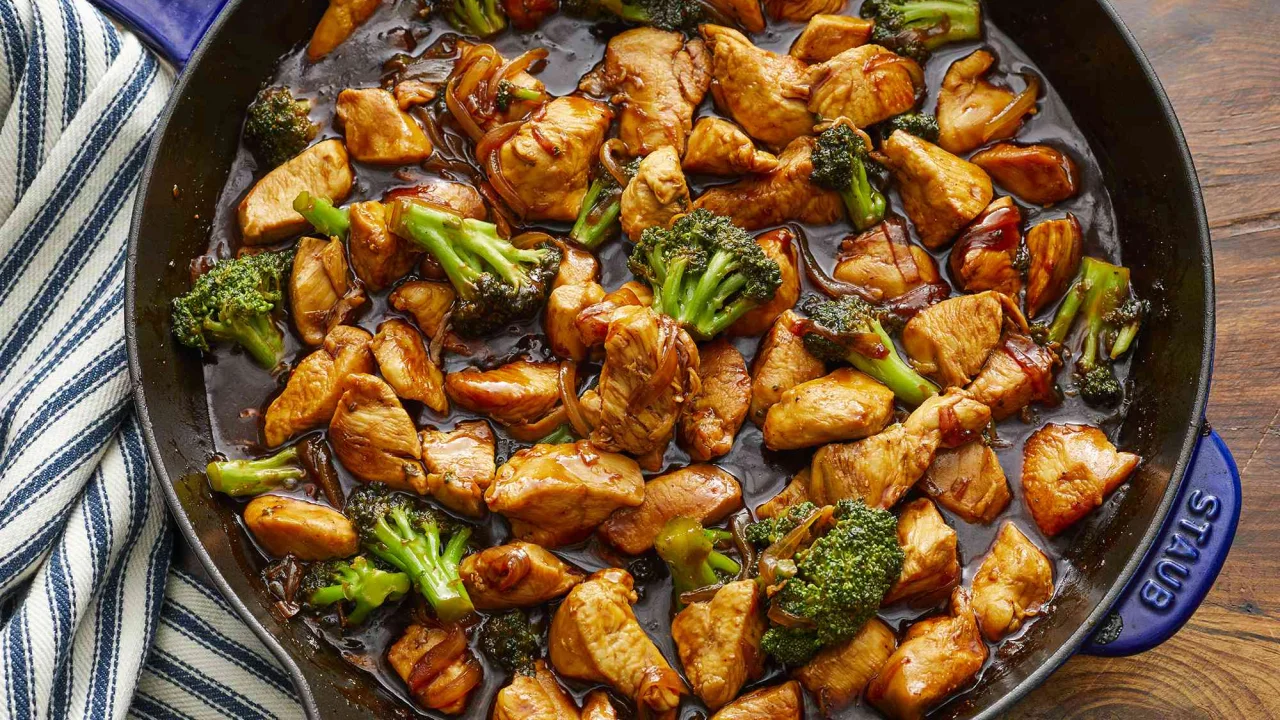
Last Tuesday night, I stared into my fridge with that familiar feeling of dinner dread. My partner and I were both exhausted from work, and the thought of cooking an elaborate meal felt overwhelming. Then I spotted my trusty cast-iron skillet hanging on the wall, and everything clicked.
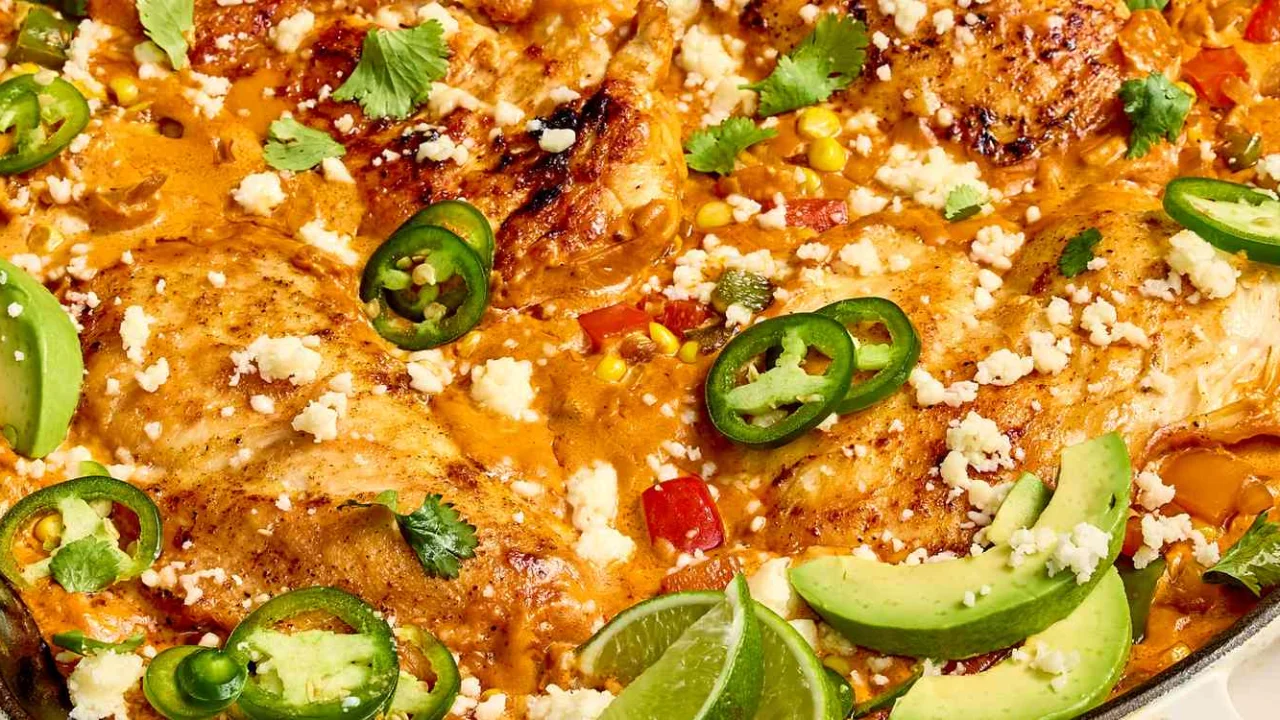
Within 20 minutes, we were sitting down to a perfectly portioned chicken and mushroom dinner that required just one pan and left us with minimal cleanup. No giant pot of leftovers crowding our tiny fridge, no mountain of dishes in the sink – just a satisfying meal that felt effortless yet special.
That night reminded me why skillet dinners for two have become my go-to solution for weeknight cooking. They’re the perfect answer for couples, empty nesters, or anyone who wants great food without the fuss of large-batch cooking.

Why Skillet Cooking Works So Well for Two People
Skillet dinners for two solve multiple problems at once. Unlike traditional family-sized recipes that leave you eating the same meal for days, these perfectly portioned dishes give you variety without waste. The single-pan approach means less prep time, faster cooking, and – most importantly – minimal cleanup afterward.
“One-skillet meals are ideal for couples because they cook quickly and evenly,” says culinary instructor Maria Santos. “The direct heat contact creates beautiful caramelization while keeping proteins tender and vegetables crisp.”
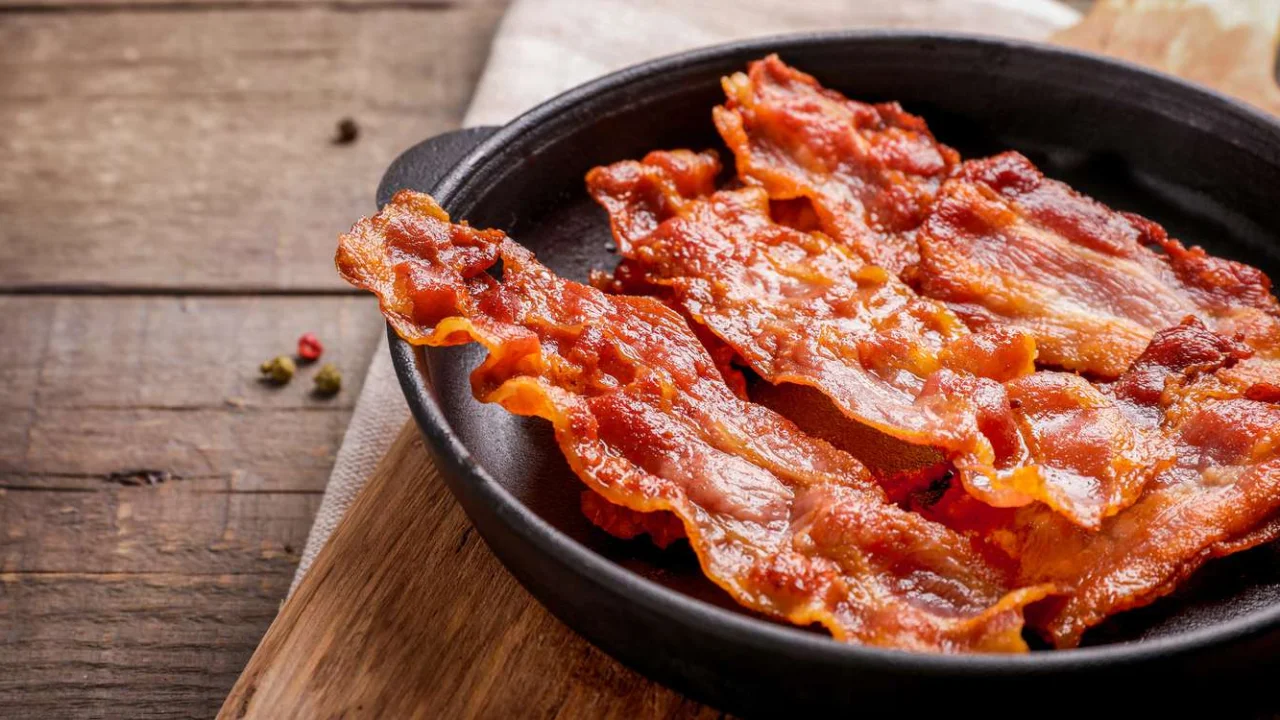
The versatility of skillet cooking is remarkable. Whether you’re craving Mediterranean flavors, comfort food classics, or international cuisine, a good skillet can handle everything from searing steaks to simmering pasta dishes. The key is understanding how different ingredients respond to the consistent, direct heat that skillets provide.
Essential Skillet Dinner Categories and Techniques
Creating successful skillet dinners for two starts with understanding the main categories and techniques that work best. Here’s a breakdown of the most popular styles and what makes them special:
| Dinner Type | Cook Time | Best Skillet | Key Technique |
| Seared Proteins | 10-15 minutes | Cast iron or stainless steel | High heat, don’t move food |
| One-Pan Pasta | 15-20 minutes | Large non-stick or stainless | Add liquid gradually |
| Stir-Fry Style | 8-12 minutes | Carbon steel or wok-style | Keep ingredients moving |
| Braised Dishes | 20-30 minutes | Enameled cast iron | Sear first, then simmer |
The most successful skillet dinners combine proteins, vegetables, and starches in ways that complement each other’s cooking times. For example, starting with harder vegetables like carrots or potatoes, then adding quicker-cooking items like spinach or herbs at the end.
- Salmon and vegetables: Perfect 20-minute meal with crispy skin and tender fish
- Chicken and mushrooms: Uses pan drippings to create rich, flavorful sauce
- Shrimp scampi: Garlicky cream sauce over toasted bread in under 15 minutes
- Beef and broccoli: Restaurant-quality stir-fry at home
- Italian sausage pasta: One-pan comfort food with minimal cleanup
- Pork chops with apples: Sweet and savory combination that cooks together beautifully
- Vegetarian frittata: Eggs, cheese, and vegetables for any time of day

“The beauty of skillet cooking is that you’re building layers of flavor in one pan,” explains cookbook author James Rodriguez. “Each ingredient contributes to the overall taste profile while cooking at its optimal temperature.”
Making Skillet Dinners Work in Real Life
The practical benefits of mastering skillet dinners for two extend far beyond just having dinner ready. These meals change how you approach weeknight cooking, grocery shopping, and even meal planning.
For busy professionals, skillet dinners offer a way to eat well without spending hours in the kitchen. The techniques are simple enough to execute after a long workday, yet sophisticated enough to feel like proper cooking. Many recipes can be partially prepped during weekend meal prep sessions, making weeknight execution even faster.
Young couples often discover that cooking skillet dinners together becomes a bonding activity rather than a chore. The interactive nature of one-pan cooking – adjusting heat, adding ingredients, tasting for seasoning – creates natural opportunities for teamwork and conversation.
“These recipes taught me that good cooking doesn’t require complexity,” shares home cook Lisa Chen. “My husband and I now look forward to our skillet dinner experiments every week.”
Empty nesters find particular value in these scaled-down recipes. After years of cooking for larger families, the transition to cooking for two can feel challenging. Skillet dinners provide the perfect middle ground between elaborate family meals and simple sandwiches.
The ingredient flexibility also makes these dinners budget-friendly and adaptable to dietary preferences. Vegetarian versions work just as well as meat-based ones, and most recipes can accommodate gluten-free or dairy-free modifications without losing their essential character.
Storage and leftover management become simpler too. Rather than dealing with large containers of food that dominate refrigerator space, you’re left with perfectly portioned meals that either get finished completely or provide just enough leftovers for lunch the next day.
The confidence that comes from mastering a few reliable skillet dinner techniques transforms how you approach cooking overall. Once you understand how proteins sear, how vegetables caramelize, and how sauces develop in a single pan, you’ll find yourself improvising successful dinners from whatever ingredients you have on hand.
FAQs
What’s the best type of skillet for dinners for two?
A 10-12 inch cast iron or stainless steel skillet works best for most recipes, providing enough space without being too large for smaller portions.
How do I prevent food from sticking in my skillet?
Make sure your pan is properly preheated and use adequate fat (oil or butter), and avoid moving proteins too early in the cooking process.
Can I make skillet dinners ahead of time?
Most components can be prepped ahead, but skillet dinners are best cooked fresh since they rely on high heat and quick cooking for optimal texture.
What if I don’t have all the exact ingredients in a recipe?
Skillet cooking is very forgiving – substitute similar vegetables, proteins, or seasonings based on what you have available.
How do I know when my skillet is hot enough to start cooking?
A drop of water should sizzle and evaporate immediately when the pan is properly preheated, usually after 2-3 minutes over medium-high heat.
Are non-stick pans good for skillet dinners?
Non-stick works well for delicate items like eggs or fish, but cast iron or stainless steel creates better browning and flavor development for most skillet dinners.
About the Author