Imagine opening your mailbox to find a welcome packet congratulating you on becoming an Uber driver – except you’ve never driven for Uber in your life. That’s exactly what happened to Vahik Tatoosi when he received official paperwork welcoming him to the platform in September 2025.

At first, he and his wife Anna laughed it off. “What is this?” they wondered. But their laughter quickly turned to concern when they realized someone had stolen Vahik’s identity to become an Uber driver, earning money under his name and Social Security number.
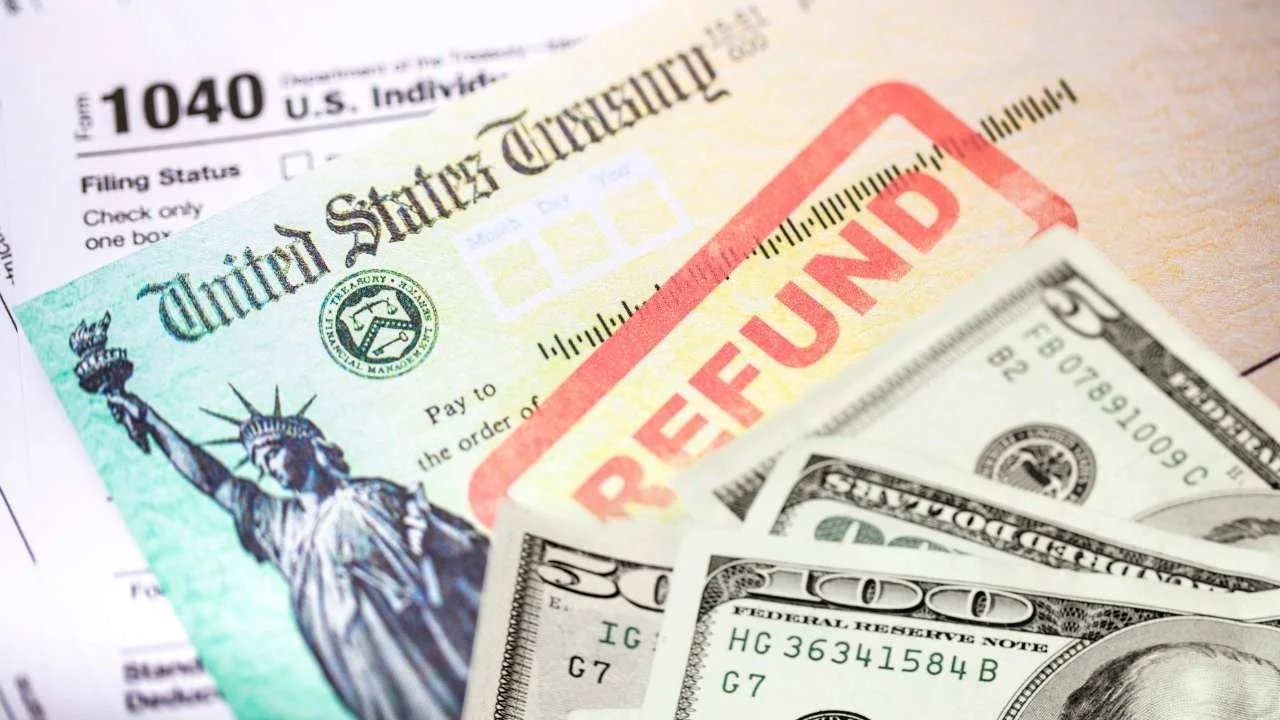
The situation escalated when tax season arrived, and the couple received IRS 1099 forms showing thousands of dollars in earnings they never made. This wasn’t just a simple mix-up – it was a case of Uber identity theft that raises serious questions about rider safety and platform security.

How Uber Identity Theft Actually Works
What happened to the Tatoosi family isn’t an isolated incident. It’s part of a growing trend called employment identity theft, where criminals use stolen personal information to work for companies like Uber without ever meeting anyone face-to-face.
“This is a form of employment identity theft or misuse,” explains Eva Velasquez, president and CEO of the Identity Theft Resource Center. “We have to understand that our data is out there. It’s in the wild.”

The rise of app-based work has made this type of fraud easier than ever. Think about it – when was the last time you met your Uber driver before getting in their car? The same anonymity that makes gig work convenient also creates opportunities for criminals.
Here’s how these scams typically unfold:
- Criminals obtain personal information through data breaches, phishing, or other means
- They use stolen Social Security numbers and names to create driver accounts
- The real identity owner receives tax forms for income they never earned
- Victims must spend months or years clearing their names with the IRS
The Real Impact on Victims and Riders
The consequences of Uber identity theft extend far beyond the initial shock of receiving unexpected tax documents. Victims like Tatoosi face a complex web of problems that can take years to resolve.

Anna Kojoyan, Tatoosi’s wife, points out something even more troubling: “People, young women, kids, teenagers, they use Uber thinking that all drivers are background-checked. But apparently you never know who’s picking you up.”
The financial impact alone can be devastating. Consider what victims typically face:
| Issue | Time to Resolve | Potential Cost |
|---|---|---|
| IRS tax complications | 6-18 months | $500-$2,000 in professional help |
| Credit monitoring services | Ongoing | $200-$600 annually |
| Legal assistance | Variable | $1,000-$5,000+ |
| Lost work time | 20-50 hours | Varies by income |
But the problems go deeper than money. When someone uses your identity to work for Uber, you’re potentially liable for their actions on the road. What if that fake driver gets into an accident? What if they commit a crime while using your name?
“The income is being reported under our name,” Kojoyan explains. “Now we have to contact the IRS and let them know what’s going on, because they’re going to expect us to pay taxes on it.”
What This Means for Platform Security
The Tatoosi case isn’t unique. In 2024, a Kern County man sued Uber after receiving tax forms showing $53,000 in earnings he never made. The lawsuit claimed it took a full year to resolve the matter with the IRS and alleged that Uber “routinely allows individuals to work for it as a rideshare or delivery driver using the personal information of other individuals.”
According to Uber’s own policies, the company requires prospective drivers to submit:
- Social Security number
- Full legal name
- Date of birth
- Government-issued identification
- Live profile photo
The company says it uses third-party vendors for background checks and re-screens drivers annually. But if criminals can successfully use stolen identities to pass these checks, how effective are they really?
“Your Social Security number and other personal information can be used for employment purposes,” Velasquez notes. “That’s certainly the case with Uber.”
Uber declined to provide an on-camera interview about these cases but stated: “The methods of scamming and defrauding companies are constantly evolving. At Uber, we’re committed to investing in robust anti-fraud systems and detection capabilities to keep up with new and enhanced fraud techniques.”
The response feels generic when real families are dealing with the aftermath of these security failures. The Tatoosis have had to freeze their credit, enroll in monitoring services, and navigate complex IRS procedures – all because someone else used Vahik’s identity to drive for Uber.
For riders, this raises uncomfortable questions about safety. If the verification process can be fooled by identity thieves, how can passengers trust that their driver is who they claim to be?
The Identity Theft Resource Center recommends several protective steps for consumers worried about employment fraud:
- Obtain an IRS identity protection PIN
- Create a “my Social Security” account and monitor it regularly
- Check your credit reports frequently for suspicious activity
- File fraud reports immediately if you suspect identity theft
As app-based work continues to grow, cases like the Tatoosis’ serve as a wake-up call. The convenience of gig economy platforms comes with real security risks that affect both workers and the people who use their services.
Until companies like Uber develop more robust identity verification systems, families like the Tatoosis will continue paying the price for other people’s crimes – both financially and emotionally. “This is scary,” Tatoosi said simply. “It’s your identity.”
That fear is justified. In our increasingly digital world, your identity might be working for Uber right now, and you might not know it until tax season arrives.
FAQs
How do I know if someone is using my identity to work for Uber?
You might receive unexpected tax forms (1099s) from Uber, welcome packets for driver signup, or notices from the IRS about unreported income.
What should I do if I receive Uber tax forms for money I didn’t earn?
Immediately contact Uber through their app, file a report with the Identity Theft Resource Center, and notify the IRS about the fraudulent income.
Can I be held responsible for accidents caused by someone using my stolen identity?
While rare, there could be legal complications if someone commits crimes while using your personal information as an Uber driver.
How long does it take to resolve Uber identity theft cases?
Resolution can take anywhere from 6 months to over a year, depending on the complexity of the case and how much fraudulent activity occurred.
Does Uber compensate victims of identity theft?
Uber typically doesn’t provide direct compensation, leaving victims to handle the costs of credit monitoring, legal help, and time lost resolving the issue.
How can I protect myself from employment identity theft?
Monitor your credit regularly, get an IRS identity protection PIN, create a Social Security Administration account online, and consider credit freezes if you’re not actively applying for credit.
About the Author